
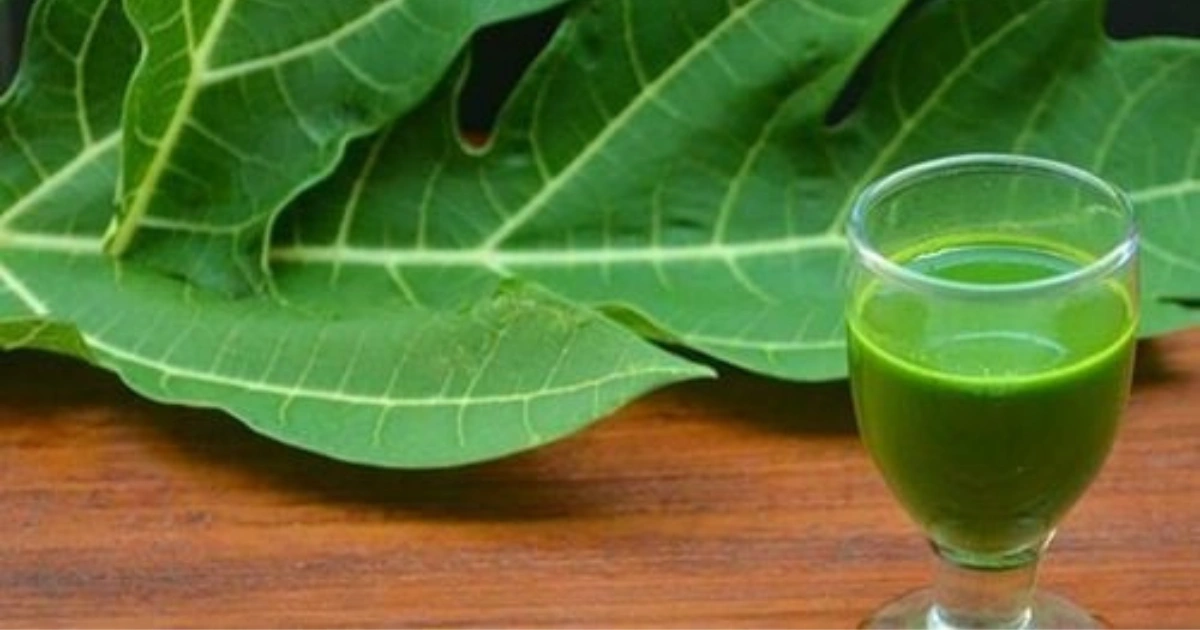
Papaya leaves have held a quiet yet meaningful place in traditional home practices across many cultures. While the papaya fruit is widely consumed and commercially valued, the leaves have historically been appreciated at the household level for their versatility and availability. Long before modern products and packaged solutions, families relied on nearby plants to support daily routines centered on cleanliness, balance, and simplicity.
This article explores how papaya leaves have been used in traditional, non-medical home practices, the cultural context behind these uses, and why they continue to attract interest today. The focus remains on cultural heritage and lifestyle traditions rather than health claims, ensuring a responsible and educational perspective.
Primary keyword: papaya leaves traditional uses
Cultural Heritage of Papaya Leaves
Papaya trees grow abundantly in tropical and subtropical regions, often close to homes rather than in large plantations. Because of this proximity, the leaves naturally became part of everyday life. Papaya leaves traditional uses developed organically within families, shaped by climate, availability, and cultural values rather than formal systems of medicine.
In many societies, plant use was guided by observation and experience. Leaves with strong aromas, distinctive textures, or noticeable bitterness were often associated with cleansing or renewal in a symbolic sense. Papaya leaves fit naturally into this worldview, becoming part of household knowledge passed from one generation to the next.
These practices form part of what anthropologists describe as folk knowledge or traditional ecological knowledge, where plants are integrated into daily living without medical framing.
Role in Daily Home Routines
Focus on Balance and Care
Traditional home practices involving papaya leaves were usually linked to maintaining balance rather than addressing illness. Families incorporated plant-based routines into everyday life as a form of care, similar to how herbs were used for cooking, cleaning, or personal grooming.
Papaya leaves were sometimes used during seasonal transitions, such as periods of high humidity or heat, when households placed greater emphasis on freshness and cleanliness. These routines reflected environmental awareness rather than specific outcomes.
Household Cleanliness Traditions
In some regions, papaya leaves were used in simple household practices related to cleanliness. Leaf-infused water or freshly cut leaves were incorporated into traditional routines for maintaining living spaces.
These uses were practical rather than symbolic, relying on readily available plant material to support daily tasks in times when manufactured products were limited or unavailable.
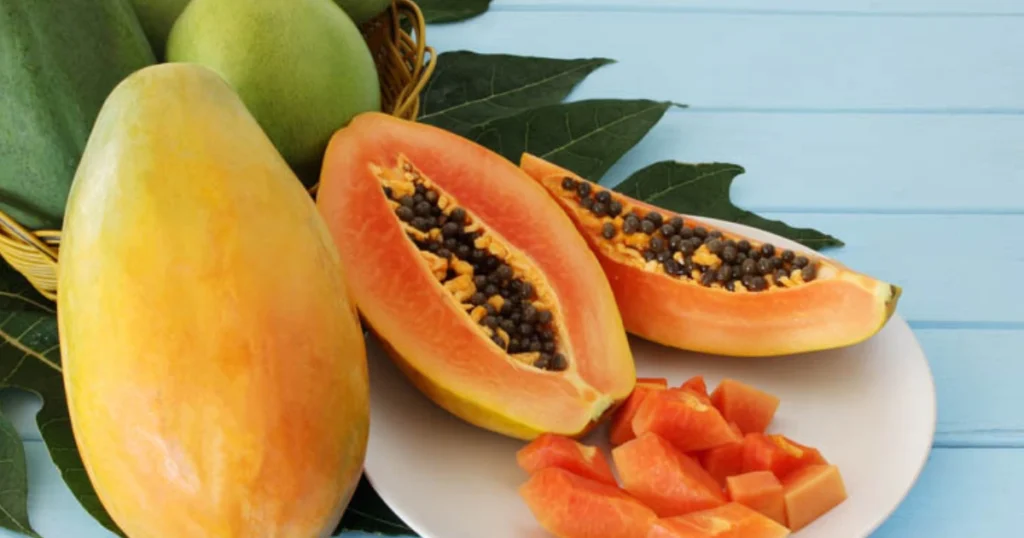
Plant-Based Traditions and Folk Knowledge
Papaya leaves traditional uses are part of broader plant-based traditions found worldwide. Folk knowledge often emphasizes observation, repetition, and respect for natural resources rather than standardized methods.
Key characteristics of these traditions include:
- Use of fresh, locally available plants
- Short-term preparation methods
- Adaptation based on climate and season
- Knowledge passed orally rather than in written form
Papaya leaves were valued not because of scientific analysis, but because they were accessible, familiar, and versatile within the household context.
External and Lifestyle Applications
Hair Care Practices
One of the most common traditional uses of papaya leaves involved hair and scalp routines. In households where papaya trees were nearby, leaves were sometimes incorporated into washing or rinsing practices.
These routines focused on appearance, cleanliness, and maintenance rather than treatment. Preparation was simple, and use was occasional rather than continuous.
Skin and Personal Care Rituals
Papaya leaves also appeared in traditional personal care rituals. Fresh leaves or leaf-based water were sometimes applied externally as part of cleansing or refreshing routines.
These practices emphasized:
- Short contact time
- Immediate rinsing
- Observing individual tolerance
They were typically discontinued if discomfort or irritation occurred.
Household Freshness Practices
In certain cultures, papaya leaves were placed in specific areas of the home or used in water for general household routines. These practices reflected historical approaches to managing household environments using natural materials.
It is important to note that these traditions were shaped by cultural beliefs and available resources rather than modern standards of hygiene.
Traditional Preparation Methods
Preparation methods for papaya leaves were simple and varied widely between regions. There was no single standard approach, as techniques were adapted to local customs and needs.
Boiling Leaves for External Use
Boiling fresh leaves in water was a common method in many households. The resulting liquid was allowed to cool before being used externally for household or personal routines.
This method was valued for its simplicity and minimal tools required.
Leaf Infusions
In some traditions, leaves were steeped in warm water rather than boiled. These infusions were generally mild and used as part of non-medical household practices.
Infusions were typically prepared fresh and not stored for extended periods.
Crushed Leaf Applications
Fresh leaves were sometimes gently crushed to release plant juices and then applied briefly before being washed away. These applications were always external and short-term.
Regional Variations in Traditional Use
Papaya leaves traditional uses differ significantly depending on geography and culture.
- In Southeast Asia, papaya leaves were often integrated into daily hygiene routines
- In parts of Africa, they were valued for household versatility and plant-based living
- In Caribbean regions, papaya trees were seen as multipurpose home plants
Understanding these differences is essential when discussing traditional practices, as no single use applies universally.
Important Context and Safety Considerations
While traditional practices are culturally significant, they should not be interpreted as medical guidance.
Important points to keep in mind:
- Traditional use does not guarantee safety for everyone
- Individual sensitivity varies
- Papaya leaves should not be assumed to diagnose, treat, or prevent any condition
- Use should be avoided during pregnancy
- Any discomfort or irritation is a sign to stop immediately
Modern readers should approach traditional knowledge with respect, curiosity, and caution.
Traditional Knowledge in Modern Times
Interest in traditional plant practices has increased as people seek simpler, more sustainable lifestyles. However, researchers and cultural institutions emphasize the importance of preserving context.
Traditional use reflects historical living conditions and cultural values. It should not be rebranded as scientific evidence or modern therapy without proper research.
Institutions such as universities and cultural heritage organizations encourage documenting traditional knowledge while avoiding misinformation or exaggerated claims.
Frequently Asked Questions
Are papaya leaves still used in traditional households today?
Yes. In regions where papaya trees grow near homes, traditional uses of the leaves continue as part of everyday routines.
Are these practices considered medical treatments?
No. Papaya leaves traditional uses are lifestyle and household practices, not medical treatments.
Can anyone try traditional papaya leaf practices?
Not necessarily. Individual tolerance varies, and caution is always recommended.
Why do practices vary between cultures?
Traditional uses developed independently based on climate, environment, and cultural beliefs, leading to regional differences.
Should traditional practices be scientifically validated?
Scientific validation is essential for medical claims. Cultural practices should be appreciated as heritage rather than assumed to be therapeutic.
Internal Linking Suggestions
To enhance topical relevance and user engagement, consider linking to related articles from secretsofthegreengarden.com such as:
- Traditional Medicinal Plants Used in Home Gardens
- How Folk Plant Knowledge Influences Modern Gardening
- Leaves and Herbs Used in Cultural Household Practices
External Authority Sources
For reliable, non-competing background information, these high-authority sources provide valuable context:
- UNESCO – safeguarding intangible cultural heritage
- World Health Organization – traditional medicine and cultural health practices
- University agricultural extension services – papaya plant characteristics and cultivation
A Reflection of Plant-Centered Living
Papaya leaves remain a meaningful example of how plants have been integrated into everyday life across cultures. Their traditional uses reflect resourcefulness, respect for nature, and practical living rather than medical intent.
By understanding papaya leaves traditional uses within their cultural context, modern readers can appreciate this knowledge responsibly, honoring heritage while relying on qualified professionals for health-related decisions.
Your breakdown of the topic is so well thought out.
Hey Community!
Kann ich nur meine Erfahrungen teilen.
Vor kurzem habe ich Pistolo mal angeschaut – das Pistolo Casino.
Laeuft super.
Grosse Auswahl, transparente Regeln, kompetentes Team.
Link: Pistolo DE
Viel Erfolg 🙂
I’m definitely going to apply what I’ve learned here.
UNESCO Pamukkale tours Truly a great company to travel with. https://www.tapascenter.com/?p=7640
Составляя план поездку в Таиланд, особенно на острова Пхукет или Самуи, важно учитывать не только чудесные пляжи, но и детали региона. Например, многие задаются вопросом, как переместиться с Пхукета на Самуи, где предпочтительнее арендовать байк и сколько денег брать на 10 дней отдыха. Не игнорируйте изучить карту Таиланда и островов с названиями, чтобы увереннее ориентироваться, а также узнать с правилами въезда в Таиланд 2025 и последней погодой по месяцам.
За исключением пляжного отдыха, следует заглянуть в океанариум Пхукет или посетить тайский массаж – услуги для мужчин и женщин разнятся по цене и характеру. Если решили узнать больше о топовых пляжах Самуи, цене путевок или обмене валюты на Пхукете, посетите на этот важный ресурс когда лучше лететь в тайланд . Также полезно обратить внимание на прошлое региона, например, цунами в Тайланде 2004, ведь это сказывается на особенности инфраструктуры части курортов.
Для поклонников сериалов Равиоли Оли (2025) русский фильм скачать торрент русские полнометражные проекты и телесериалы часто ищут именно для скачивания, чтобы смотреть без интернета без ограничений. Такие работы привлекают логичным повествованием и узнаваемым стилем, а русская озвучка делает знакомство с сериалом удобным. Многосерийный проект доступен для загрузки без обрезок, одним файлом в хорошем разрешении WEBRip.
Здравствуйте!
Турбина грузовика ремонт требует специального оборудования и квалификации. Самостоятельная пайка или замена картриджа почти всегда заканчивается повторной поломкой. Турбина грузовика ремонт лучше доверить сертифицированному центру с балансировочным станком. Перед установкой проверяйте чистоту масляной магистрали — иначе новая турбина выйдет из строя. Профилактика — чистое масло и воздушный фильтр.
Вся информация на сайте https://wma-united.ru/evolyucziya-kabiny-gruzovika-ot-prostyh-k-komfortnym-za-100-let/
тарифы на перевозку груза, безопасные маршруты для дальнобойщиков, обслуживание топливной системы
солнцезащитные шторки грузовик, , комфорт сна в кабине
Удачи и комфортной езды!
**ignitra**
ignitra is a premium, plant-based dietary supplement created to support healthy metabolism, weight management, steady energy, and balanced blood sugar as part of an overall wellness routine
**neurosharp**
neurosharp is a next-level brain and cognitive support formula created to help you stay clear-headed, improve recall, and maintain steady mental performance throughout the day.
**finessa**
Finessa is a natural supplement made to support healthy digestion, improve metabolism, and help you achieve a flatter belly.
Хотел бы найти через что найти в жанре приключения кино фильмы на русском через торрент скачивать приключения фильмы о путешествиях, открытии новых миров и смелых героях подборки регулярно обновляются.
Ищу рабочий сайт как найти нормально https://movietut.xyz/filmy/detektiv/ детективы скачать на русском торрент детективы фильмы с расследованиями, загадками и напряжёнными сюжетами доступны для скачивания в хорошем качестве, без ограничений и регистрации.