
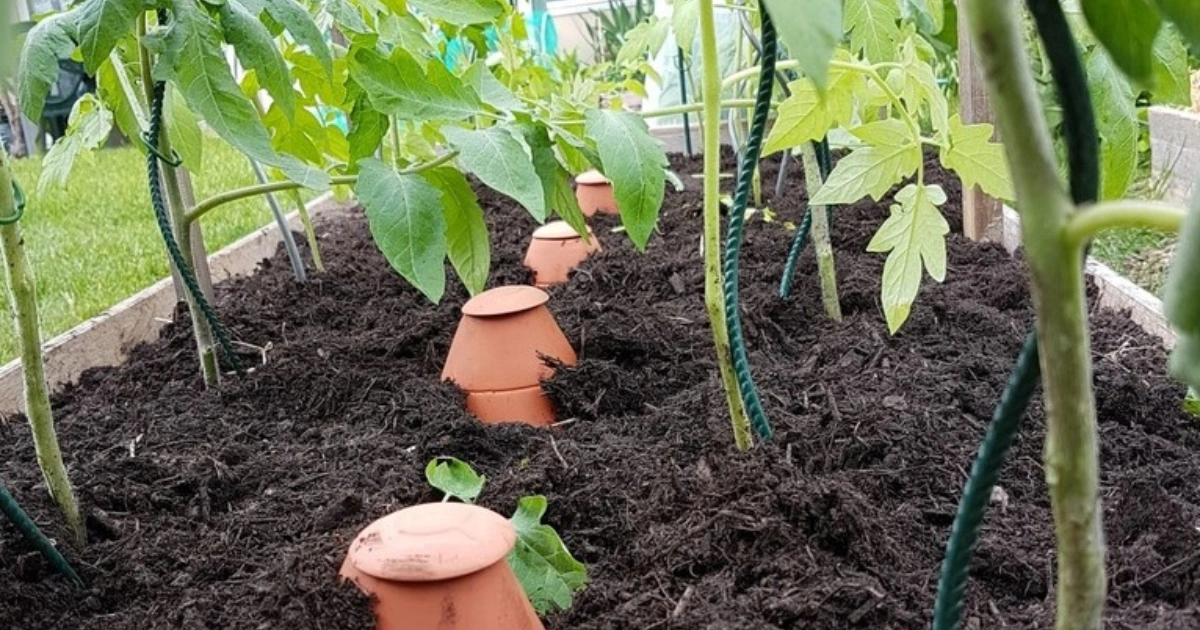
As water scarcity becomes an increasing concern for gardeners and farmers alike, interest in low-tech, sustainable irrigation systems continues to grow. One of the most effective solutions does not come from modern technology, but from ancient agricultural wisdom. Ollas irrigation, a method that dates back thousands of years, offers a simple yet remarkably efficient way to water plants while conserving precious resources.
Ollas provide slow, targeted hydration directly to plant roots, reducing waste and improving soil health. This article explores what ollas are, how they work, their benefits, and how to use them effectively in modern gardens.
Primary keyword: ollas irrigation
What Is an Olla
An olla is an unglazed, porous clay pot designed specifically for underground irrigation. The word “olla” comes from Spanish and simply means “pot,” but its agricultural use predates modern language. Similar vessels have been used by indigenous cultures across the Americas, North Africa, the Middle East, and parts of Asia.
Traditional ollas are handmade from natural clay and fired at low temperatures, leaving the surface porous. This porosity allows water to slowly seep through the pot’s walls and into the surrounding soil.
How Ollas Irrigation Works
Ollas irrigation relies on a process known as seepage or subsurface irrigation. Instead of watering from above, moisture is delivered directly where plants need it most.
The basic process involves:
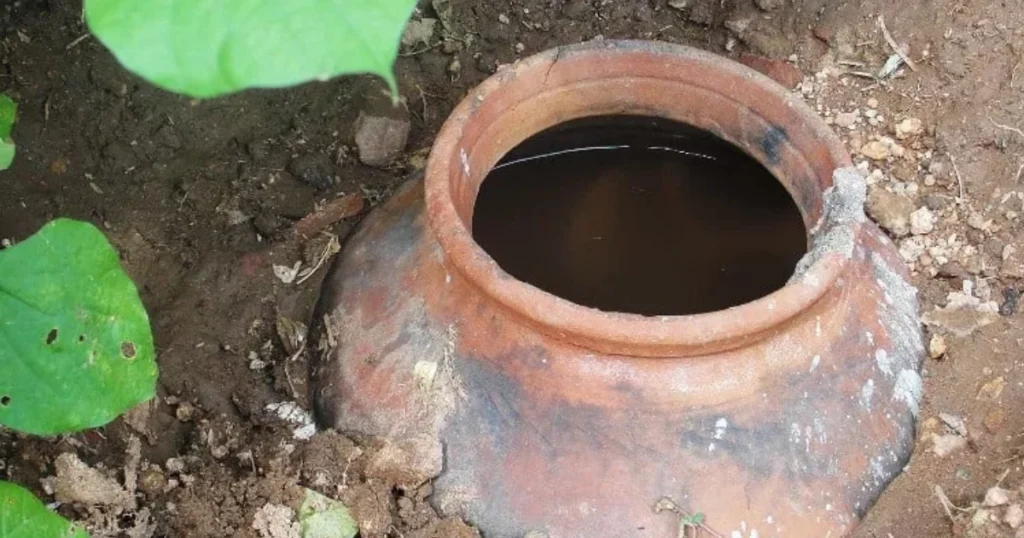
- Burying the olla in the soil with only the neck exposed
- Filling the pot with water
- Covering the opening to reduce evaporation
- Allowing water to slowly diffuse into the surrounding root zone
As soil dries, it naturally draws moisture from the olla. When the soil is sufficiently moist, the flow slows or stops. This self-regulating system prevents overwatering and reduces runoff.
Why Ollas Are So Water-Efficient
One of the key strengths of ollas irrigation is its ability to minimize water loss. Traditional watering methods often waste water through evaporation, runoff, or deep drainage beyond the root zone.
Ollas address these issues by:
- Delivering water underground
- Eliminating surface evaporation
- Preventing oversaturation
- Supplying moisture only when soil requires it
In many cases, gardeners report water savings of 50 to 70 percent compared to surface watering.
Benefits of Using Ollas in the Garden
Improved Water Conservation
Ollas significantly reduce water use by directing moisture precisely where roots can access it. This makes them ideal for drought-prone regions and water-restricted environments.
Healthier Root Development
Consistent, deep moisture encourages roots to grow outward and downward rather than remaining shallow. This leads to stronger, more resilient plants.
Reduced Weed Growth
Because water is delivered underground, surface soil remains relatively dry. This discourages weed germination and reduces competition for nutrients.
Better Soil Structure
Even moisture distribution helps prevent soil compaction and salt buildup. Over time, this improves soil health and microbial activity.
Low Maintenance Irrigation
Once installed, ollas require minimal upkeep. Gardeners only need to refill them periodically, depending on weather conditions and plant demand.
Versatility Across Plant Types
Ollas irrigation works well for:
- Vegetables
- Herbs
- Flowers
- Fruit bushes
- Container gardens
They are especially effective in raised beds and small growing spaces.
Environmentally Friendly Design
Made from natural clay, ollas are biodegradable and require no energy input. Their longevity and simplicity align well with sustainable gardening practices.
Choosing the Right Olla Size and Placement
The size and spacing of ollas depend on plant type, soil texture, and climate.
General guidelines include:
- Small ollas for herbs and container plants
- Medium ollas for raised beds and vegetables
- Larger ollas for shrubs or multiple plants
Most ollas hydrate soil within a radius of 12 to 24 inches. Proper spacing ensures even moisture distribution without overlap or dry zones.
How to Install Ollas Irrigation Step by Step
- Dig a hole deep enough to bury the olla body
- Place the olla so the neck remains above soil level
- Backfill soil firmly around the pot
- Fill the olla with water
- Cover the opening with a lid or stone
Plant crops around the olla, keeping roots within its effective watering range.
Using Ollas in Different Climates
Hot and Dry Regions
Ollas perform exceptionally well in arid climates by reducing evaporation and conserving water.
Temperate Zones
In moderate climates, ollas help maintain consistent moisture during dry spells and reduce watering frequency.
Cold Regions
In areas with freezing temperatures, ollas should be removed or drained before winter to prevent cracking.
Maintenance and Long-Term Care
Ollas require very little maintenance, but a few practices extend their lifespan:
- Clean periodically to prevent mineral buildup
- Use a cover to block debris and insects
- Remove before freezing conditions if necessary
With proper care, ollas can last for many years.
Common Mistakes to Avoid
- Using glazed or sealed pots
- Burying the opening below soil level
- Forgetting to cover the opening
- Overcrowding plants around one olla
Correct installation ensures optimal performance.
Ollas Compared to Modern Irrigation Systems
While drip irrigation and sprinklers offer automation, ollas provide unmatched simplicity and efficiency without infrastructure or energy use. They are especially valuable in off-grid gardens and low-input systems.
Rather than replacing modern methods, ollas can complement them in water-sensitive areas of the garden.
Frequently Asked Questions
How often do ollas need refilling
This depends on climate and plant demand, but typically every few days to once per week.
Can ollas be used in containers
Yes, smaller ollas are excellent for container gardening.
Do ollas work in clay soil
They work best in loamy and sandy soils but can still function in clay with proper spacing.
Are DIY ollas effective
Homemade ollas made from unglazed clay pots can work, but quality varies.
Can ollas overwater plants
No, ollas release water only when surrounding soil dries.
Internal Linking Suggestions
From secretsofthegreengarden.com, consider linking to:
- Water-Saving Gardening Techniques for Dry Climates
- Raised Bed Gardening with Minimal Irrigation
- Sustainable Garden Systems That Actually Work
External High-Authority Sources
For additional research and guidance:
- Food and Agriculture Organization of the United Nations – sustainable irrigation methods
- University of Arizona Cooperative Extension – water-efficient gardening
- United States Department of Agriculture – soil and water conservation
Final Thoughts
Ollas irrigation is a powerful example of how ancient knowledge can solve modern challenges. By delivering water directly to plant roots, reducing waste, and improving soil health, ollas offer a low-cost, sustainable irrigation solution suited to today’s water-conscious gardeners.
Integrating ollas into your garden is not just a practical decision, but a step toward more resilient, efficient, and environmentally responsible food production.