
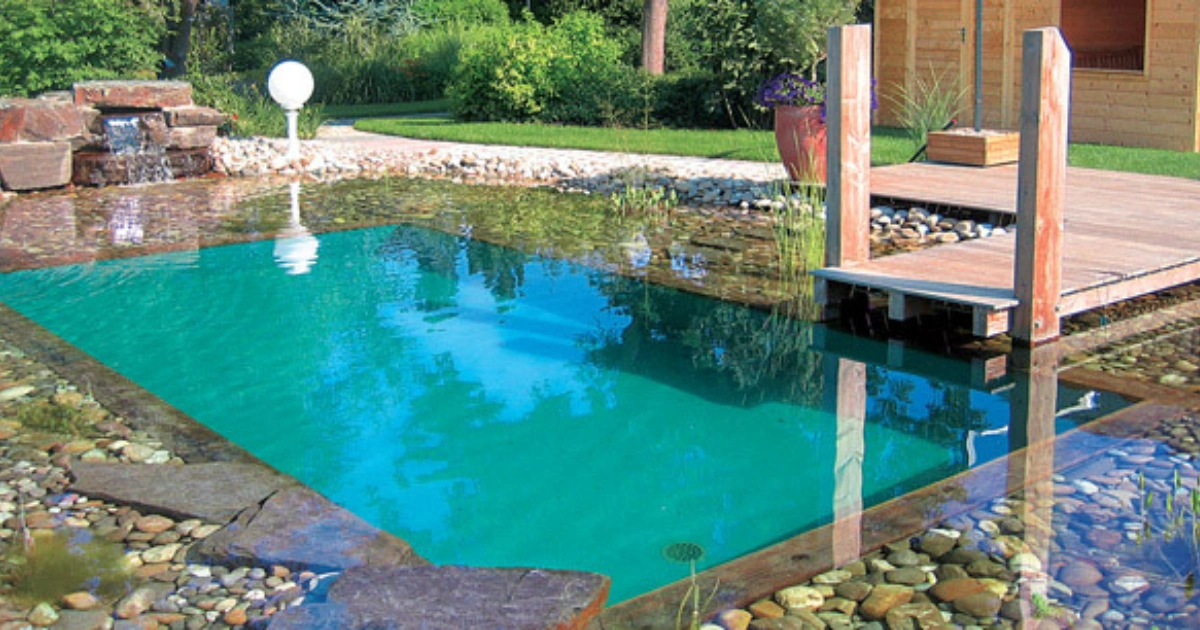
Imagine a refreshing swim in crystal-clear water, surrounded by lush greenery, all without the use of chemicals—this is the dream of many garden enthusiasts. A natural swimming pond blends ecological consciousness with aesthetic design, creating a harmonious oasis right in your backyard.
What is a Natural Swimming Pond?
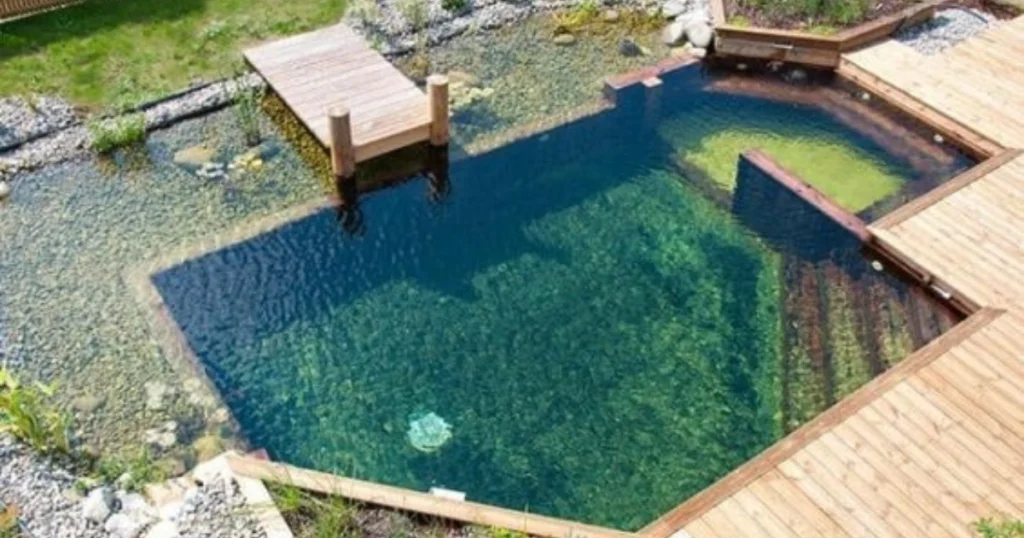
A natural swimming pond is a man-made water feature that operates without the need for chlorine or other chemicals. Instead, water purification is handled biologically: microorganisms, aquatic plants, and specially designed filter zones work together to keep the water clean. Typically, the pond is divided into a deep swimming area and a shallower regeneration zone with plants.
Advantages of a Natural Swimming Pond
- Skin-Friendly: No chlorine means no skin or eye irritation.
- Environmentally Friendly: No chemicals are released into the groundwater.
- Biodiversity: Provides a habitat for a variety of plants and animals.
- Aesthetic Appeal: Naturally integrates into the garden environment.
- Low Operating Costs: Less energy consumption and maintenance compared to traditional pools.
Step-by-Step Guide to Building a Natural Swimming Pond
1. Planning and Permits
Before starting, check with your local authorities to determine if a permit is required. Plan the size and shape of your pond, ensuring that the swimming area and regeneration zones are well-balanced.
2. Excavation
The first practical step is excavation. Consider renting a mini-excavator to dig the pond to your desired shape and size. Make sure that the regeneration zone covers at least 50% of the total area.
3. Waterproofing
Lay down pond liner (such as EPDM or PVC) over the excavated soil. This prevents water from leaking and protects against root growth.
4. Installing the System
Install a circulation pump to gently circulate the water. An optional skimmer can be added to remove debris from the water surface.
5. Planting
Plant appropriate aquatic plants in the regeneration zone. These plants help biologically clean the water by absorbing nutrients and producing oxygen.
6. Design
Enhance the swimming area with wooden walkways, natural stone, or even a wooden gazebo, ensuring the pond harmoniously integrates into your garden.
Common Mistakes and How to Avoid Them
- Too Small Regeneration Zone: Ensure that the regeneration zone makes up at least 50% of the total area for effective filtration.
- Incorrect Plant Selection: Choose plants that are well-suited to the aquatic environment.
- Poor Waterproofing: Inspect the pond liner for tears or damage before filling the pond.
- Lack of Circulation: A circulation pump is essential for maintaining proper water movement.
Maintenance Tips for Your Swimming Pond
- Spring Cleaning: Remove dead plant matter and clean the regeneration zone to prepare for the warmer months.
- Summer Care: Regularly check the water quality and add more aquatic plants if needed.
- Fall Preparation: Clear away fallen leaves and prepare the pond for winter.
Essential Materials
- Pond liner (EPDM or PVC)
- Circulation pump
- Skimmer (optional)
- Aquatic plants
- Wooden walkways or natural stone
- Tools: Shovel, spade, wheelbarrow
Regional Tips
In colder regions, ensure that your swimming pond is deep enough to prevent it from freezing completely in the winter. In warmer climates, adjust the planting to maintain an attractive appearance year-round.
Frequently Asked Questions
Do I need a permit to build a swimming pond?
In many areas, a permit is required. Always check with your local authorities before beginning construction.
How deep should the swimming pond be?
The swimming area should be at least 1.5 meters deep to provide sufficient space for swimming.
Can I keep fish in my swimming pond?
Yes, with the right planting and filtration system, fish can thrive in a natural swimming pond. Ensure the regeneration zone is adequately sized.
How do I prevent algae growth?
Proper planting, regular maintenance, and avoiding nutrient excesses help minimize algae growth.
Conclusion
A natural swimming pond is a sustainable and aesthetically pleasing alternative to traditional pools. With the right planning and care, you can create a chlorine-free aquatic paradise in your garden. This eco-friendly solution offers a unique way to enjoy the beauty of water, provide habitat for wildlife, and experience the pleasure of swimming in natural, clean water.
Share your experiences or ask questions in the comments below!
Thank you a bunch for sharing this with all people you really know what you’re speaking about! Bookmarked. Please also talk over with my website =). We could have a hyperlink alternate arrangement between us!
В лабиринте азарта, где каждый площадка норовит зацепить обещаниями быстрых выигрышей, рейтинг онлайн казино россии
превращается именно той ориентиром, которая направляет через ловушки подвохов. Игрокам хайроллеров плюс дебютантов, кто устал из-за фальшивых обещаний, такой средство, дабы увидеть подлинную rtp, как тяжесть ценной ставки у пальцах. Минус пустой болтовни, просто реальные площадки, где rtp не лишь число, а ощутимая фортуна.Собрано по гугловых поисков, будто паутина, которая захватывает наиболее свежие тенденции по рунете. Здесь нет места про стандартных трюков, любой момент будто ставка на столе, там блеф проявляется мгновенно. Игроки знают: по России стиль письма на сарказмом, где сарказм маскируется как намёк, позволяет обойти рисков.На https://www.don8play.ru такой список лежит как раскрытая колода, готовый на раздаче. Зайди, когда хочешь почувствовать биение настоящей игры, обходя мифов да разочарований. Игрокам кто любит тактильность приза, это как иметь фишки в пальцах, минуя смотреть по монитор.
Superb blog! Do you have any tips and hints for aspiring writers? I’m hoping to start my own blog soon but I’m a little lost on everything. Would you propose starting with a free platform like WordPress or go for a paid option? There are so many choices out there that I’m totally overwhelmed .. Any tips? Many thanks!