
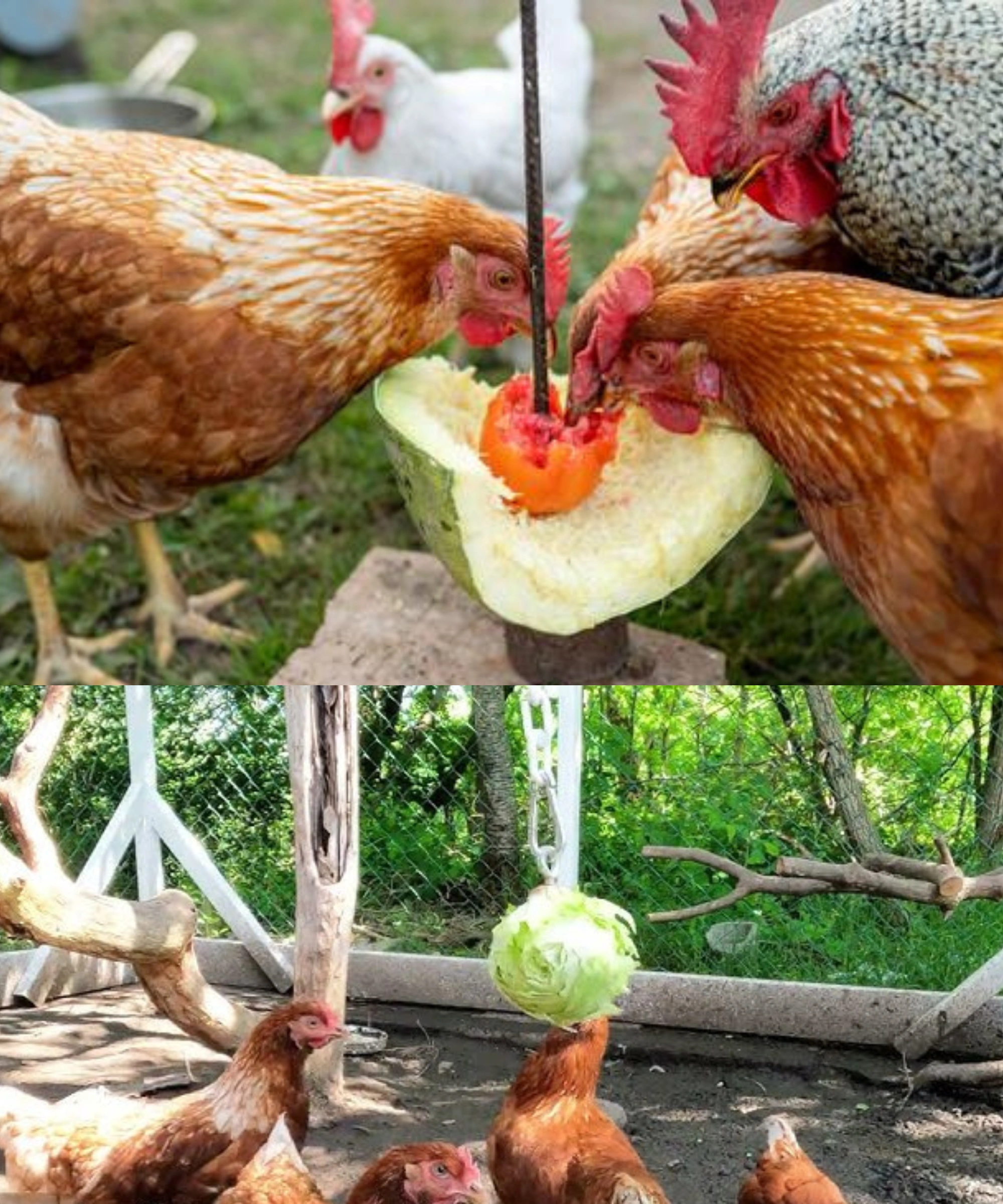
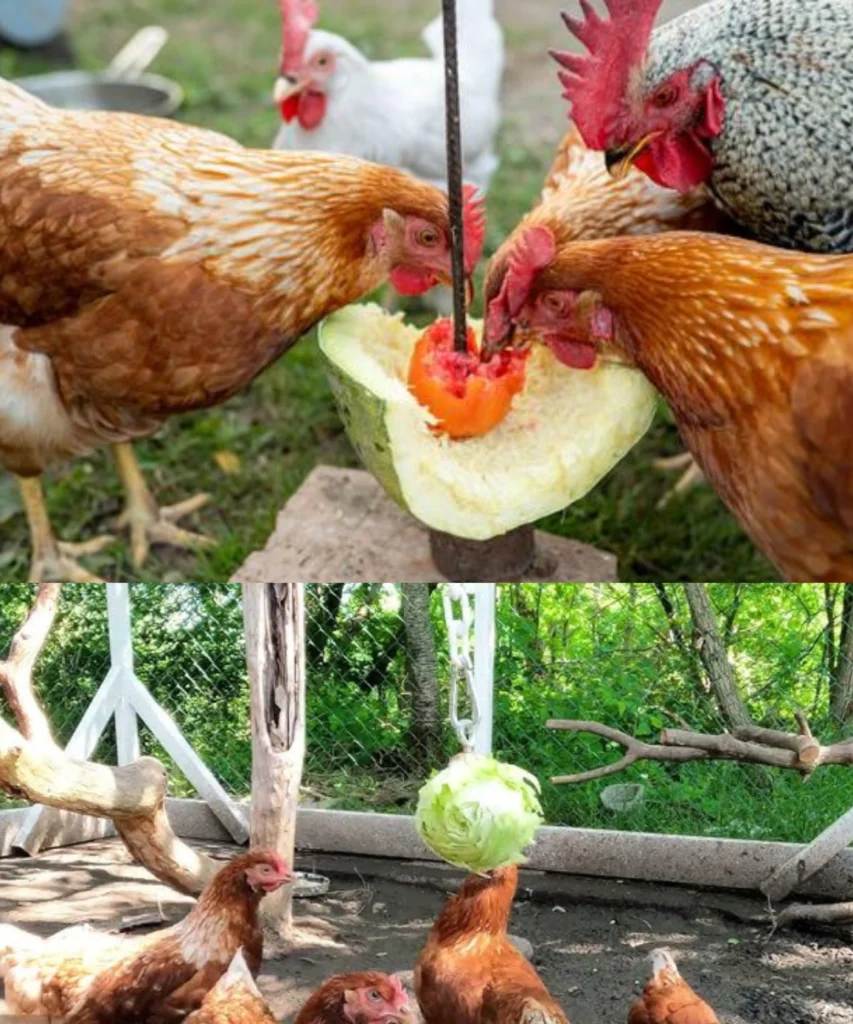
Interest in natural poultry care continues to grow as backyard keepers and small farmers look for simple ways to support flock health while limiting unnecessary chemicals. Among traditional kitchen-based supplements, onion for hens is often mentioned as a supportive ingredient when used carefully and in moderation.
This article provides a clear, responsible overview of how onion can be used as a complementary aid for chickens, what benefits it may offer, how to administer it safely, and what precautions every keeper should know. The goal is balance: supporting hen well-being without replacing proper nutrition or veterinary care.
Primary keyword: onion for hens
Why Onion Is Used in Natural Hen Care
Onions contain sulfur compounds, antioxidants, and trace minerals that have long been valued in traditional animal husbandry. When prepared and offered correctly, these compounds may support immune resilience, digestion, and overall vitality.
It is important to emphasize that onion is not a treatment and should never replace complete feed, clean housing, or professional veterinary advice. Its role is purely complementary, fitting into a preventive, well-managed approach to poultry care.
Potential Benefits of Onion for Hens
Immune System Support
Onion contains natural antioxidants and sulfur-based compounds that may help support the body’s defense mechanisms.
Potential immune-related benefits include:
- Supporting resistance to common environmental stressors
- Helping hens cope better with seasonal changes
- Promoting overall vitality during periods of mild stress
This support can be useful during cold weather, molting, or changes within the flock.
Respiratory Comfort in Challenging Environments
Dust, humidity, and cold temperatures can affect respiratory comfort in chickens. Traditionally, onion has been used in small amounts because of its strong aroma and volatile compounds.
When used occasionally, onion may:
- Help keep airways comfortable
- Support mild respiratory freshness
- Be useful as a preventive measure in damp or dusty conditions
It should never be used as a response to serious respiratory illness.
Appetite Stimulation and Energy Support
During molting, cold seasons, or stressful periods, hens may reduce their feed intake. The distinct scent of onion can help stimulate interest in food.
This may help:
- Encourage consistent eating
- Maintain energy levels
- Support recovery during demanding phases
Onion should always be mixed with appropriate hen-safe foods.
Digestive Efficiency
In very small quantities, onion may support digestive balance by encouraging efficient nutrient absorption.
Possible digestive benefits include:
- Reduced bloating
- Smoother digestion
- Support for regular gut activity
Healthy digestion is essential for egg production and feather quality.
Plumage and Feather Health
Feather condition often reflects internal health. Onion provides antioxidants and minerals that may help support strong, resilient plumage.
This may contribute to:
- Shinier feathers
- Reduced feather breakage
- Better support during molting cycles
Proper protein intake remains the most important factor for feather health.
How to Give Onion to Hens Safely
Moderation is essential when using onion for hens. Excessive amounts can cause digestive upset and may affect egg flavor.
Recommended Forms
- Small amounts of finely chopped raw onion
- Mixed with other hen-safe vegetable scraps
- Mild onion infusion added occasionally to drinking water
Never feed whole onions or large chunks.
Frequency and Quantity
- Offer onion no more than 1–2 times per week
- Use very small portions relative to the flock size
- Always alongside a balanced commercial feed
Onion should never make up a significant portion of the diet.
Common Mistakes to Avoid
When using onion in the chicken coop, avoid these errors:
- Overfeeding onion or offering it daily
- Replacing complete feed with kitchen scraps
- Feeding spoiled, fermented, or moldy onion
- Using onion as a substitute for veterinary care
- Offering onion to chicks
Responsible use protects both hen health and egg quality.
Does Onion Affect Egg Taste?
In excessive amounts, onion may slightly alter the flavor of eggs. When offered occasionally and in small quantities, most keepers report no noticeable change.
To avoid issues:
- Keep portions minimal
- Avoid feeding onion immediately before peak laying
- Observe egg quality and taste regularly
When Onion Should Not Be Used
Avoid offering onion if:
- Hens show digestive sensitivity
- Egg flavor changes are noticed
- Birds are already stressed or ill
- Chicks are present in the flock
In cases of illness, onion should never delay proper veterinary assessment.
Creating a Balanced Natural Care Routine
Onion works best when combined with:
- High-quality layer feed
- Clean, dry housing
- Fresh water at all times
- Proper ventilation
- Regular health checks
Natural supplements are most effective when part of a consistent, well-managed system.
Frequently Asked Questions
Is onion safe for hens?
Yes, in very small amounts and offered occasionally. Overuse should be avoided.
Can onion replace vitamins or supplements?
No. Onion is a complementary food, not a replacement for balanced nutrition.
How often can I give onion to my chickens?
One to two times per week in small quantities is generally considered safe.
Can chicks eat onion?
No. Chicks require specialized nutrition and should not receive onion.
Will onion improve egg production?
Onion does not directly increase egg production, but supporting overall health may indirectly help maintain consistent laying.
Howdy would you mind letting me know which hosting company you’re using? I’ve loaded your blog in 3 completely different internet browsers and I must say this blog loads a lot faster then most. Can you recommend a good hosting provider at a reasonable price? Thank you, I appreciate it!
В мире азарта, где любой сайт пытается привлечь обещаниями простых выигрышей, рейтинг казино на реальные деньги
превращается той самой путеводителем, что направляет через ловушки подвохов. Игрокам хайроллеров да новичков, которые пресытился из-за пустых посулов, он средство, дабы ощутить настоящую rtp, будто вес ценной ставки на пальцах. Обходя пустой ерунды, лишь проверенные сайты, в которых rtp не лишь число, а реальная везение.Составлено из поисковых запросов, как паутина, которая захватывает топовые горячие тренды по интернете. В нём отсутствует места к шаблонных фишек, любой момент как ставка в столе, там подвох выявляется немедленно. Профи понимают: на рунете тон разговора на сарказмом, где сарказм маскируется под рекомендацию, позволяет обойти обмана.В https://bit.ly/Don8Play этот рейтинг находится как открытая карта, готовый к игре. Зайди, если хочешь ощутить ритм подлинной игры, обходя обмана да разочарований. Для кто ценит ощущение приза, он словно иметь ставку на пальцах, минуя пялиться по экран.
**mitolyn reviews**
Mitolyn is a carefully developed, plant-based formula created to help support metabolic efficiency and encourage healthy, lasting weight management.
dolly4d wap
Best casino https://corgislotcasino-nl.com/
Thanks , I’ve recently been looking for info about this topic for ages and yours is the greatest I have discovered so far. But, what about the conclusion? Are you sure about the source?
I’m really enjoying the design and layout of your blog. It’s a very easy on the eyes which makes it much more enjoyable for me to come here and visit more often. Did you hire out a developer to create your theme? Fantastic work!