
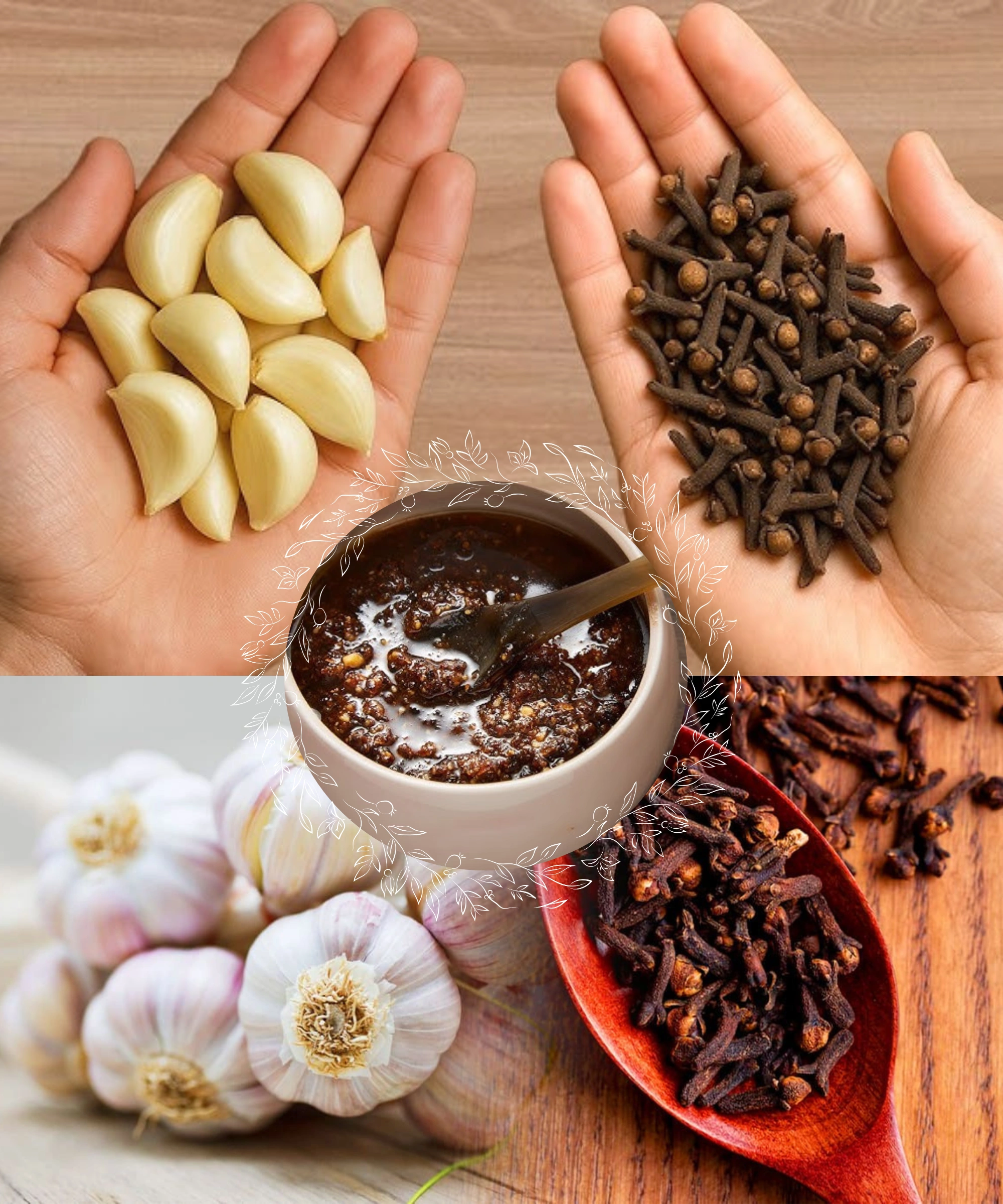
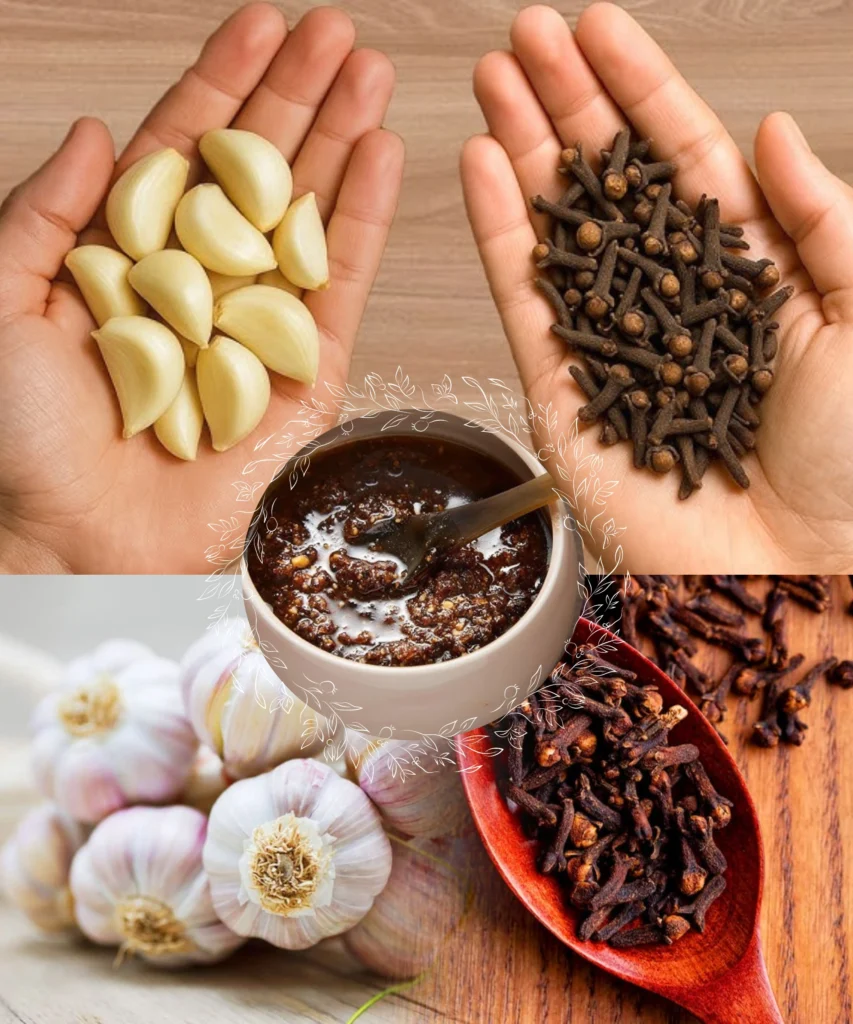
Varicose veins are enlarged, twisted veins that most often appear in the legs. They are commonly associated with a feeling of heaviness, aching, swelling, or visible changes under the skin. While medical evaluation is essential for diagnosis and treatment decisions, many people look for natural, supportive practices to improve comfort and circulation as part of their daily routine.
This article presents traditional, non-medical uses of cloves and garlic that are commonly used for massage and topical care. These methods are intended for comfort and circulation support only, not as a cure or replacement for professional care.
Understanding Varicose Veins in Everyday Terms
Varicose veins develop when vein valves weaken and blood pools instead of flowing efficiently back toward the heart. Factors such as prolonged standing, limited movement, genetics, pregnancy, and aging can all contribute.
Supportive lifestyle habits often focus on:
- Encouraging healthy circulation
- Reducing the sensation of heaviness or tension
- Promoting relaxation of the legs
- Supporting overall vascular comfort
Natural remedies are typically used alongside these habits, not as standalone solutions.
Why Cloves and Garlic Are Traditionally Used
Cloves and garlic have long been valued in traditional wellness practices due to their aromatic compounds and plant-based constituents.
They are often associated with:
- A warming sensation when applied topically
- Traditional circulation-supporting uses
- Soothing massage practices
- General skin and tissue comfort
When infused into oils or warm water, they are commonly used externally as part of self-care routines.
Remedy 1: Clove and Garlic Infused Oil Massage
Purpose of This Practice
This oil is traditionally used for gentle leg massage, which itself can help promote relaxation and support the sensation of circulation when performed correctly.
Ingredients
- 5 garlic cloves, crushed
- 5 whole cloves
- 3 tablespoons olive oil or coconut oil
- Optional: a small amount of lemon juice for fragrance
Preparation
- Crush the garlic and place it in a clean glass jar
- Add the whole cloves
- Pour in the oil until ingredients are covered
- Seal and let infuse for 24 hours in a cool, dark place
- Strain the oil before use
How to Use
- Apply a small amount to clean skin
- Massage gently using upward strokes from the lower leg toward the thigh
- Use light pressure only
- Apply once or twice daily if comfortable
Massage should never cause pain, heat, or irritation.
Remedy 2: Clove and Garlic Warm Compress
Purpose of This Practice
Warm compresses are commonly used to relax tissues and ease sensations of tightness or discomfort in the legs.
Ingredients
- 5 garlic cloves, crushed
- 6 whole cloves
- 2 cups hot (not boiling) water
- Clean cloth or towel
Preparation
- Add garlic and cloves to hot water
- Cover and steep for 10 minutes
- Strain the liquid
- Allow it to cool until warm and safe to touch
How to Use
- Soak the cloth in the warm infusion
- Wring out excess liquid
- Apply to the legs for 15–20 minutes
- Use once daily or as needed
Discontinue if skin sensitivity occurs.
Alternative Supportive Option: Apple Cider Vinegar and Aloe Vera
Purpose of This Practice
This combination is traditionally used for skin cooling and massage comfort.
Ingredients
- 2 tablespoons apple cider vinegar
- 2 tablespoons aloe vera gel
- Optional: a small amount of honey for texture
How to Use
- Mix ingredients thoroughly
- Apply gently to the legs
- Massage lightly and leave on for up to 30 minutes
- Rinse with lukewarm water
Use once daily if well tolerated.
Supportive Habits That Often Help Leg Comfort
Topical practices work best when paired with everyday habits that support circulation:
- Take regular walking breaks
- Avoid long periods of standing or sitting
- Elevate legs for 10–15 minutes daily
- Wear comfortable, non-restrictive clothing
- Stay hydrated
- Maintain gentle physical activity such as walking or stretching
These habits are widely recommended for general leg wellness.
Important Safety Notes
These practices are not medical treatments and should be used responsibly.
Keep in mind:
- Always perform a patch test before topical use
- Do not apply to broken or irritated skin
- Stop use if burning, redness, or discomfort occurs
- Avoid strong pressure during massage
- Do not use if you have open sores, infections, or known skin conditions
People with severe pain, skin changes, sudden swelling, or worsening symptoms should seek medical evaluation.
When to Consult a Healthcare Professional
Professional advice is essential if:
- Pain or swelling increases
- Skin becomes discolored or hardened
- Veins suddenly change appearance
- There is a history of circulation disorders
Natural practices can complement care, but they should never delay diagnosis or treatment.
Great write-up, I’m normal visitor of one’s blog, maintain up the nice operate, and It is going to be a regular visitor for a lengthy time.
**glycomute**
glycomute is a natural nutritional formula carefully created to nurture healthy blood sugar levels and support overall metabolic performance.
**neurosharp**
neurosharp is a next-level brain and cognitive support formula created to help you stay clear-headed, improve recall, and maintain steady mental performance throughout the day
**aquasculpt**
aquasculpt is a premium metabolism-support supplement thoughtfully developed to help promote efficient fat utilization and steadier daily energy.
**ignitra**
ignitra is a thoughtfully formulated, plant-based dietary supplement designed to support metabolic health, balanced weight management, steady daily energy, and healthy blood sugar levels as part of a holistic wellness approach.
**alpha boost**
For men, feeling strong, energized, and confident is closely tied to overall quality of life. However, with age, stress, and daily demands
**mitolyn**
mitolyn is a carefully developed, plant-based formula created to help support metabolic efficiency and encourage healthy, lasting weight management.
**glpro**
gl pro is a natural dietary supplement formulated to help maintain steady, healthy blood sugar levels while easing persistent sugar cravings. Instead of relying on typical drug-like ingredient
**back biome**
back biome is a naturally crafted, research-backed daily supplement formulated to gently relieve back tension and soothe sciatic discomfort.
**herpafend**
herpafend is a natural wellness formula developed for individuals experiencing symptoms related to the herpes simplex virus.
**boostaro**
boostaro is a specially crafted dietary supplement for men who want to elevate their overall health and vitality.
**prostadine**
prostadine concerns can disrupt everyday rhythm with steady discomfort, fueling frustration and a constant hunt for dependable relief.
**finessa**
finessa is a natural supplement made to support healthy digestion, improve metabolism, and help you achieve a flatter belly. Its unique blend of probiotics and nutrients works together to keep your gut balanced and your body energized
**wildgut**
wildgut is a precision-crafted nutritional blend designed to nurture your dogs digestive tract.
**nitric boost ultra**
nitric is a daily wellness formula designed to enhance vitality and help support all-around performance.
**biodentex**
biodentex is an advanced oral wellness supplement made for anyone who wants firmer-feeling teeth, calmer gums, and naturally cleaner breath over timewithout relying solely on toothpaste, mouthwash, or strong chemical rinses.
**provadent**
provadent is a recently introduced oral wellness supplement thats been receiving positive attention from everyday users as well as dental experts.
**prostabliss**
prostabliss is a carefully developed dietary formula aimed at nurturing prostate vitality and improving urinary comfort.
**zencortex**
zencortex Research’s contains only the natural ingredients that are effective in supporting incredible hearing naturally.
**vivalis**
vivalis is a premium, plant-forward supplement created to help support mens daily drive, self-assurance, and steady energy.
**gluco tonic**
gluco tonic is an expertly formulated dietary supplement designed to help maintain balanced blood sugar levels naturally.
**purdentix**
purdentix is a dietary supplement formulated to support oral health by blending probiotics and natural ingredients.
**femipro**
femipro is a dietary supplement developed as a natural remedy for women facing bladder control issues and seeking to improve their urinary health.
**sugarmute**
sugarmute is a science-guided nutritional supplement created to help maintain balanced blood sugar while supporting steady energy and mental clarity.
What i do not understood is in fact how you are no longer actually a lot more smartly-preferred than you might be now. You are very intelligent. You realize therefore considerably in terms of this topic, produced me in my opinion consider it from so many varied angles. Its like women and men aren’t involved until it’s one thing to accomplish with Lady gaga! Your own stuffs great. All the time handle it up!
Hi there, just changed into alert to your blog thru Google, and located that it’s truly informative. I am gonna be careful for brussels. I will appreciate if you proceed this in future. Numerous folks will be benefited from your writing. Cheers!
Very good written information. It will be supportive to anybody who employess it, including yours truly :). Keep up the good work – for sure i will check out more posts.
**mitolyn reviews**
Mitolyn is a carefully developed, plant-based formula created to help support metabolic efficiency and encourage healthy, lasting weight management.
Keep working ,remarkable job!
Hey there would you mind stating which blog platform you’re working with? I’m looking to start my own blog soon but I’m having a hard time selecting between BlogEngine/Wordpress/B2evolution and Drupal. The reason I ask is because your layout seems different then most blogs and I’m looking for something unique. P.S Sorry for being off-topic but I had to ask!