
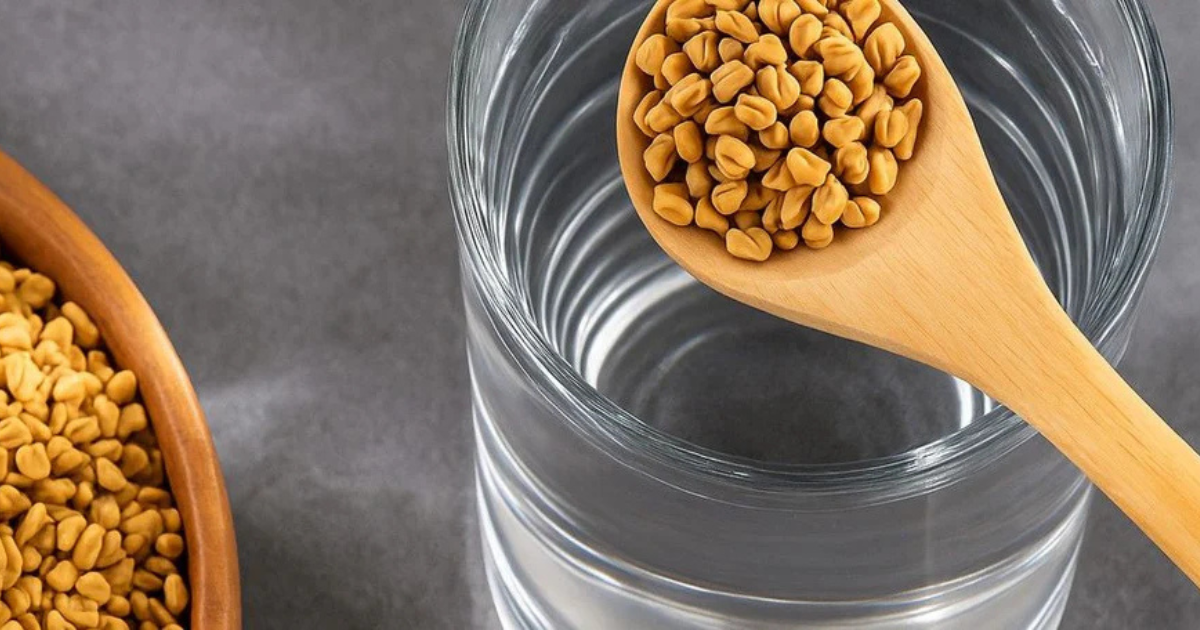
Methi water, made by soaking fenugreek seeds in water, has been used for centuries in traditional wellness practices. Today, it is gaining renewed attention as a simple, low-cost habit that may support metabolic balance, digestion, and overall well-being when used responsibly. While methi water is not a medical treatment, research suggests that fenugreek contains compounds that can complement a healthy lifestyle.
This article explains what methi water is, how it works, its potential benefits, how to prepare it correctly, who should be cautious, and how to use it safely as part of a balanced routine.
What Is Methi Water?
Methi water is an infusion prepared by soaking fenugreek seeds in water, usually overnight. The soaking process releases soluble fiber, saponins, and other bioactive compounds into the water. This creates a mildly bitter drink that is traditionally consumed in the morning.
Fenugreek seeds are widely used in culinary traditions and have been studied for their nutritional and functional properties. Methi water is valued not for instant results, but for its gradual, supportive role in daily wellness.
Nutritional Components of Fenugreek Seeds
Fenugreek seeds contain several naturally occurring compounds that contribute to their functional reputation.
They are rich in soluble fiber, particularly galactomannan, which slows digestion and nutrient absorption. They also contain plant-based antioxidants, amino acids such as 4-hydroxyisoleucine, and micronutrients including iron, magnesium, and manganese.
These components are released slowly into water during soaking, creating a gentle infusion rather than a concentrated extract.
Potential Benefits of Methi Water
May support insulin sensitivity
Several studies suggest that compounds in fenugreek may help improve how the body responds to insulin. Soluble fiber slows carbohydrate absorption, which may contribute to more stable blood sugar levels when paired with a balanced diet.
May help regulate fasting glucose levels
When consumed regularly and moderately, methi water may help support normal fasting glucose levels in some individuals. This effect appears to be gradual and depends heavily on overall diet and lifestyle.
Supports digestive comfort
The soluble fiber in methi water can promote smoother digestion and may help reduce occasional bloating or discomfort. It also supports healthy gut bacteria by acting as a prebiotic fiber.
May assist appetite awareness
Because fiber increases feelings of fullness, methi water may help reduce unnecessary snacking when used as part of mindful eating habits.
Supports hydration with added value
Drinking methi water can encourage regular hydration while offering mild nutritional support beyond plain water.
How to Prepare Methi Water Correctly
Ingredients
One tablespoon fenugreek seeds
One glass water (approximately 250 ml)
Preparation method
Rinse the fenugreek seeds thoroughly to remove dust or residue.
Place the seeds in a glass or bowl and add water.
Cover and allow the seeds to soak overnight, ideally for 8 to 12 hours.
In the morning, strain the water into a clean glass.
Drink the water on an empty stomach if tolerated.
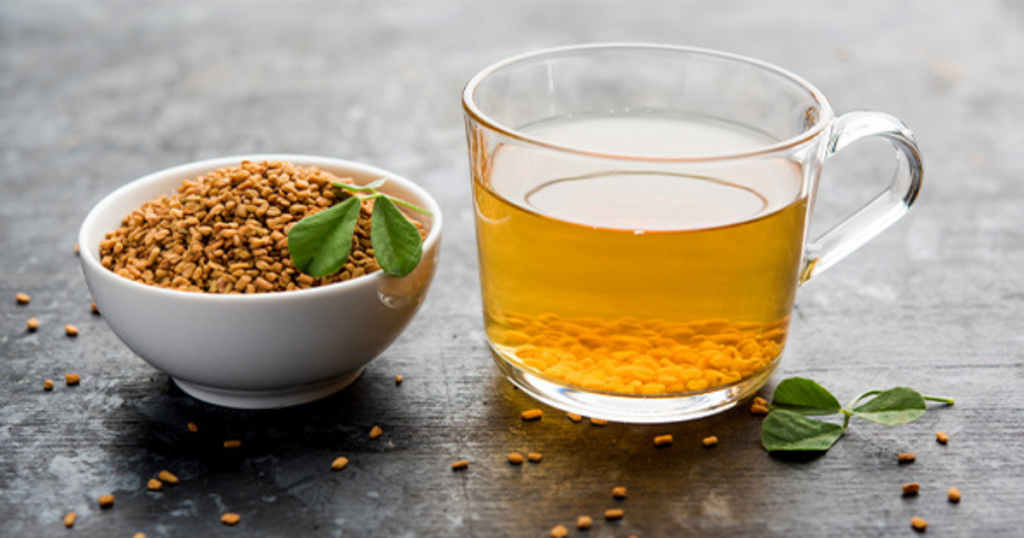
The soaked seeds themselves can be consumed, but this is optional and should be done cautiously, especially for beginners.
Best Time to Drink Methi Water
Methi water is traditionally consumed in the morning before eating. This timing is believed to support digestion and metabolic processes more effectively.
Some people prefer drinking it 20 to 30 minutes before breakfast. Others choose to drink it later in the day. Consistency matters more than timing, and the best approach is the one that fits comfortably into your routine.
How Often Should You Drink It?
Moderation is key. For most people, drinking methi water once daily is sufficient. Drinking excessive amounts does not increase benefits and may cause digestive discomfort.
A trial period of two to three weeks is often recommended, followed by a break. This allows the body to respond naturally and prevents overuse.
Who Should Be Careful with Methi Water
Although fenugreek is generally safe as a food ingredient, methi water may not be suitable for everyone.
People who are pregnant should avoid regular consumption unless advised by a healthcare professional.
Individuals taking medication for blood sugar regulation should consult a medical professional, as fenugreek may influence glucose levels.
Those with allergies to legumes should proceed cautiously.
People with digestive sensitivity may experience bloating if consumed in excess.
Methi water should never replace prescribed treatments or medical advice.
Common Mistakes to Avoid
Using too many seeds
One tablespoon is enough. More is not better and may cause stomach discomfort.
Drinking without soaking properly
Dry seeds should not be consumed directly in water without soaking.
Expecting instant results
Methi water supports gradual changes and works best alongside healthy habits.
Ignoring hydration and nutrition
Methi water is a complement, not a substitute for balanced meals and water intake.
Scientific Perspective on Fenugreek and Metabolic Health
Research published by institutions such as the National Institutes of Health suggests that fenugreek’s soluble fiber and amino acid content may support glucose metabolism and insulin response. However, most studies emphasize that results vary and depend on dosage, diet, and individual health status.
Fenugreek is best viewed as a supportive dietary element rather than a therapeutic solution.
Methi Water and Lifestyle Integration
For best results, methi water should be combined with habits such as balanced meals, regular physical activity, adequate sleep, and stress management.
Small daily routines tend to be more sustainable than drastic changes. Methi water fits well into a low-effort, long-term wellness approach.
Frequently Asked Questions
Can methi water cure diabetes?
No. Methi water does not cure diabetes and should not replace medical treatment. It may support healthy glucose management when used responsibly.
Is methi water safe for daily use?
For most healthy adults, moderate daily use is generally safe. Long-term use should include breaks.
Can I drink methi water at night?
It can be consumed at other times, but morning use is traditionally preferred for digestion.
Do I need to boil the water?
No. Soaking in room-temperature water is sufficient.
Can I reuse soaked seeds?
No. Fresh seeds should be used each time.
Internal Linking Suggestions for secretsofthegreengarden.com
Natural Morning Drinks for Daily Wellness
How to Build Sustainable Health Habits Naturally
Herbal Infusions and Their Traditional Uses
External High-Authority References
National Institutes of Health – Fenugreek overview
Harvard T.H. Chan School of Public Health – Fiber and metabolic health
Cleveland Clinic – Blood sugar management basics
Final Thoughts
Methi water is a simple habit rooted in tradition and supported by emerging research. When used correctly and responsibly, it can complement a healthy lifestyle by supporting digestion, hydration, and metabolic balance. Its effectiveness depends not on hype, but on consistency, moderation, and realistic expectations.
As with any wellness practice, listening to your body and prioritizing evidence-based guidance is essential. Methi water works best as part of a broader commitment to long-term health, not as a quick fix.
V8 Poker, GPI và KingMaker – 3+ NPH game bài hot hit đang có mặt tại xn88 bshrf . Bạn có thể lựa chọn chơi với nhiều chế độ: Đánh với máy, tự tạo bàn hoặc tham gia thách đấu với hội viên khác để tranh hạng Top 1, hốt ngay phần thưởng gấp 40 lần tiền cược ban đầu. TONY01-29O
https://t.me/s/portable_1WIN