
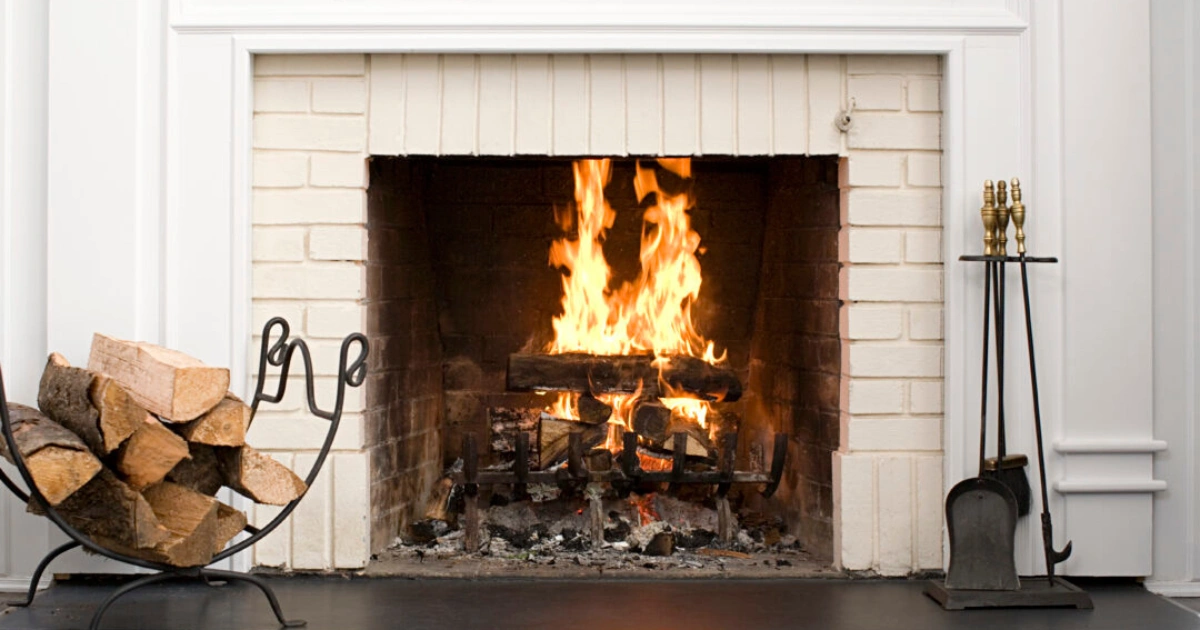
Getting the most heat from a fireplace is not just about burning more wood. Efficiency depends largely on how air and smoke move through the fireplace. Understanding airflow and smoke dynamics helps improve heat output, reduce smoke, and use fuel more effectively.
How an Efficient Fireplace Works
Hot smoke rises
When wood burns, hot gases naturally rise. This upward movement carries smoke into the chimney while allowing heat to radiate into the room.
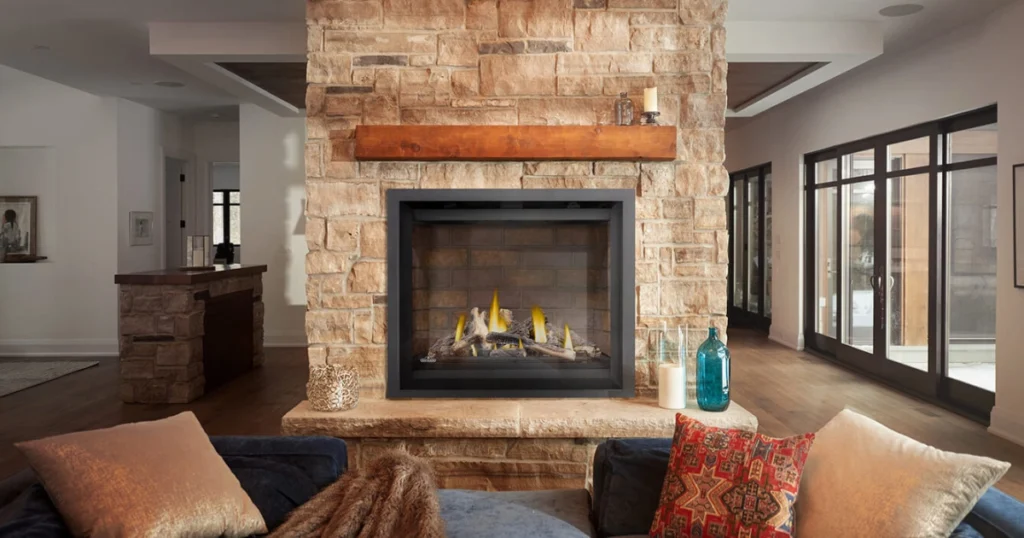
Cold air sinks
Cool air is drawn downward toward the firebox. This incoming air feeds the fire with oxygen and helps push smoke and combustion gases upward into the smoke chamber.
The throat and smoke chamber
The throat is the narrow passage above the firebox. It speeds up airflow and directs smoke into the smoke chamber. The smoke chamber then smooths and circulates airflow, improving draft and encouraging more complete combustion.
Why Airflow Matters
- Promotes cleaner burning
- Reduces smoke entering the room
- Increases usable heat output
- Improves fuel efficiency
- Helps maintain a steady, controlled fire
Poor airflow leads to wasted heat, smoky rooms, and inefficient fuel use.
The Result
When airflow is balanced correctly, the fireplace produces more warmth with less wood, while smoke is safely carried away. This creates a more comfortable living space and a more energy-efficient heating system.
Final Tip
Regular maintenance, proper chimney design, and correct damper use all support efficient airflow. A well-functioning fireplace is not just warmer, but cleaner and safer to operate.