
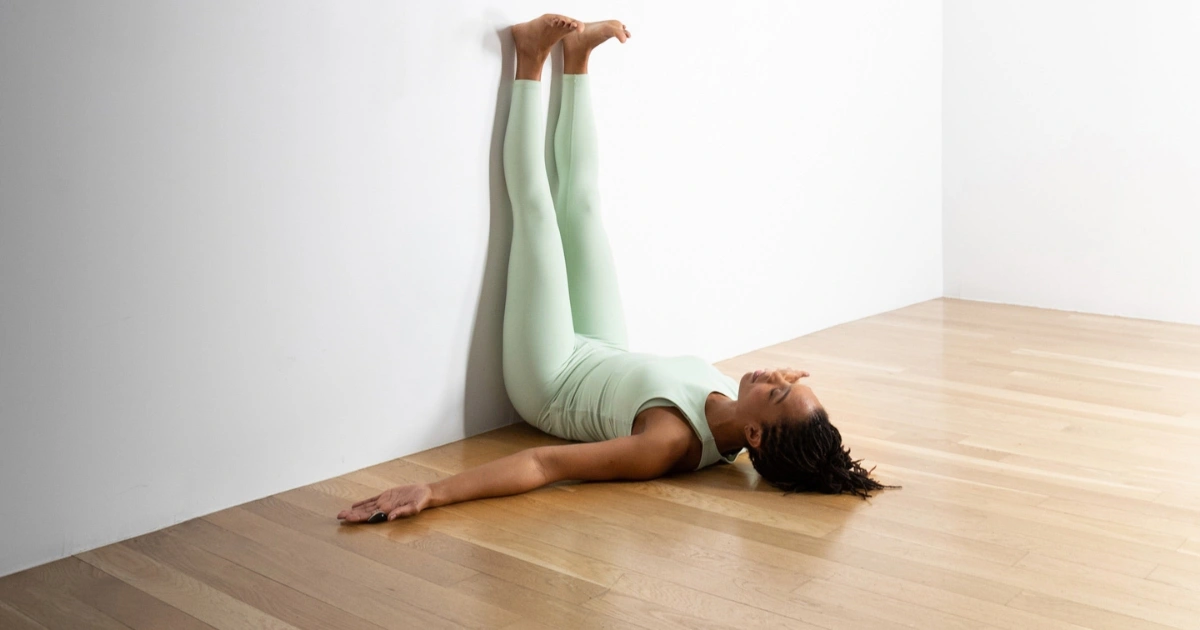
The legs up the wall pose, also known in yoga as Viparita Karani, is one of the simplest restorative positions you can practice at home. It requires no equipment, no special flexibility, and only a few minutes of your time. Despite its simplicity, this posture is often associated with relaxation, circulation support, and overall comfort, especially after long days spent standing or sitting.
This article explores the real benefits of the legs up the wall pose, what science and physiology suggest, how to practice it correctly, and who should use caution. The goal is to provide clear, accurate, and practical information without exaggeration.
What Is the Legs Up the Wall Pose
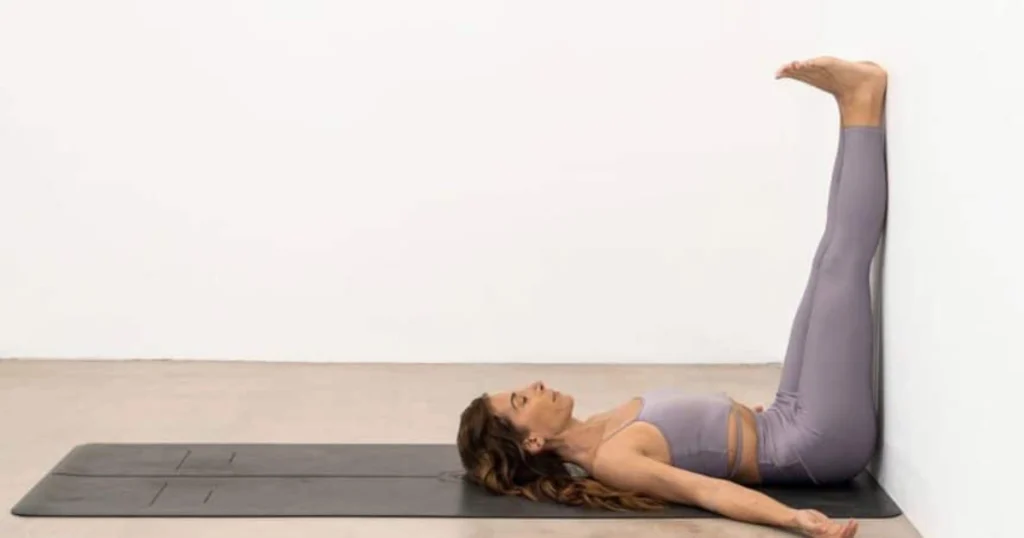
Legs up the wall is a resting position where you lie on your back and extend your legs vertically against a wall. Your hips remain on the floor or slightly elevated, while gravity assists blood and fluid return from the legs toward the upper body.
This posture is commonly used in yoga, physical therapy, and relaxation routines because it is passive and accessible to most people.
How the Body Responds to This Position
When your legs are elevated above heart level, several natural processes occur:
- Venous blood flow from the legs is assisted by gravity
- Muscles in the lower body are allowed to fully relax
- The nervous system may shift toward a calmer, parasympathetic state
- Pressure on the lower spine can be reduced in some individuals
These mechanisms explain why many people report feeling lighter, calmer, or more comfortable after practicing this pose.
Potential Benefits of Legs Up the Wall
Deep Relaxation and Stress Reduction
This position encourages stillness and slow breathing. By reducing muscular effort and external stimulation, the body can move out of a stress-dominant state. Many people find it useful at the end of the day to mentally decompress.
Support for Sleep Quality
Practicing legs up the wall before bedtime may help some individuals unwind and prepare for sleep. While it is not a treatment for insomnia, the calming effect and reduction in physical tension can make it easier to fall asleep for certain people.
Relief from Leg Fatigue
After prolonged standing or walking, fluid can accumulate in the lower legs. Elevating the legs may help reduce the sensation of heaviness or tiredness by supporting fluid redistribution.
Improved Circulation Awareness
While the pose does not “boost circulation” in a medical sense, it can assist venous return temporarily. This is why it is often recommended as a comfort measure for people who experience occasional leg swelling or fatigue.
Reduction of Lower Back Tension
For some individuals, lying flat with the legs supported can gently decompress the lower spine. This may help reduce mild lumbar tension, especially when paired with slow, diaphragmatic breathing.
Temporary Relief from Muscle Cramps
Leg cramps caused by fatigue or prolonged muscle use may ease as the muscles relax. This benefit is not guaranteed and does not replace medical evaluation for frequent or severe cramping.
Support for People with Varicose Veins
Leg elevation is commonly recommended as a comfort strategy for people with varicose veins. While it does not treat the underlying condition, it may help reduce discomfort or pressure sensations when used appropriately.
What This Pose Does Not Do
It is important to separate realistic benefits from exaggerated claims.
Legs up the wall does not:
- Cure high blood pressure
- Replace medical treatment for circulatory disorders
- Permanently eliminate varicose veins
- Treat chronic headaches or migraines
Any claims suggesting guaranteed medical outcomes should be viewed with caution.
How to Practice Legs Up the Wall Correctly
Basic Setup
- Sit sideways next to a clear wall
- Gently lower your back to the floor
- Swing your legs up so they rest against the wall
- Adjust your distance so your legs feel supported, not strained
Your arms can rest by your sides or on your abdomen.
How Long to Stay in the Pose
- Beginners: 3 to 5 minutes
- Comfortable practice: 5 to 10 minutes
- Maximum recommended duration: 15 minutes
If you feel numbness, tingling, or discomfort, exit the pose slowly.
Breathing Tips
- Inhale through the nose for 4 seconds
- Exhale slowly for 5 to 6 seconds
- Allow the abdomen to rise and fall naturally
Slow breathing enhances the relaxation response.
Who Should Be Careful or Avoid This Pose
Legs up the wall is generally safe, but it may not be appropriate for everyone.
Use caution or consult a healthcare professional if you have:
- Uncontrolled high blood pressure
- Glaucoma or eye pressure conditions
- Recent surgery involving hips, spine, or legs
- Severe balance or mobility limitations
Pregnant individuals should also seek guidance before practicing inverted positions.
When Is the Best Time to Do It
This pose is especially useful:
- In the evening after long days on your feet
- After gentle exercise or walking
- Before bedtime as part of a relaxation routine
It is usually not recommended immediately after heavy meals.
Making It Part of a Daily Routine
Because it requires no equipment, legs up the wall can be easily integrated into daily life. Even a few minutes can help you pause, breathe, and reset.
Consistency matters more than duration. Practicing briefly on most days is often more beneficial than long, infrequent sessions.
Frequently Asked Questions
How many minutes should I keep my legs up the wall
Most people benefit from 5 to 10 minutes. Beginners can start with 3 minutes and increase gradually.
Can I do legs up the wall every day
Yes, for most healthy adults it can be practiced daily, provided there is no discomfort or medical contraindication.
Does this pose really improve circulation
It temporarily assists venous return from the legs, but it does not treat circulatory diseases.
Is it okay to sleep with legs up the wall
Falling asleep in this position is not recommended. It is best used as a short relaxation practice before sleep.
Can older adults practice this pose safely
Many older adults find it beneficial, but they should ensure they can get in and out of the position safely, possibly with assistance.
Internal Linking Suggestions
To strengthen topical relevance on secretsofthegreengarden.com, consider linking this article with:
- “Natural Ways to Improve Circulation at Home”
- “Simple Evening Routines for Better Sleep”
- “Gentle Yoga Poses for Relaxation and Recovery”
These connections help build authority and keep readers engaged.
External Authoritative Sources
For additional evidence-based context, consider referencing:
- Harvard Health Publishing on leg elevation and circulation benefits
https://www.health.harvard.edu - National Center for Complementary and Integrative Health on yoga and relaxation practices
https://www.nccih.nih.gov - Mayo Clinic guidance on varicose veins and leg elevation
https://www.mayoclinic.org
Final Thoughts
Legs up the wall is not a miracle solution, but it is a simple, accessible posture that many people find genuinely helpful for relaxation and physical comfort. When practiced correctly and with realistic expectations, it can become a valuable part of a balanced daily routine.
Listening to your body and respecting your limits is key. Small, mindful practices often create the most sustainable benefits over time.