
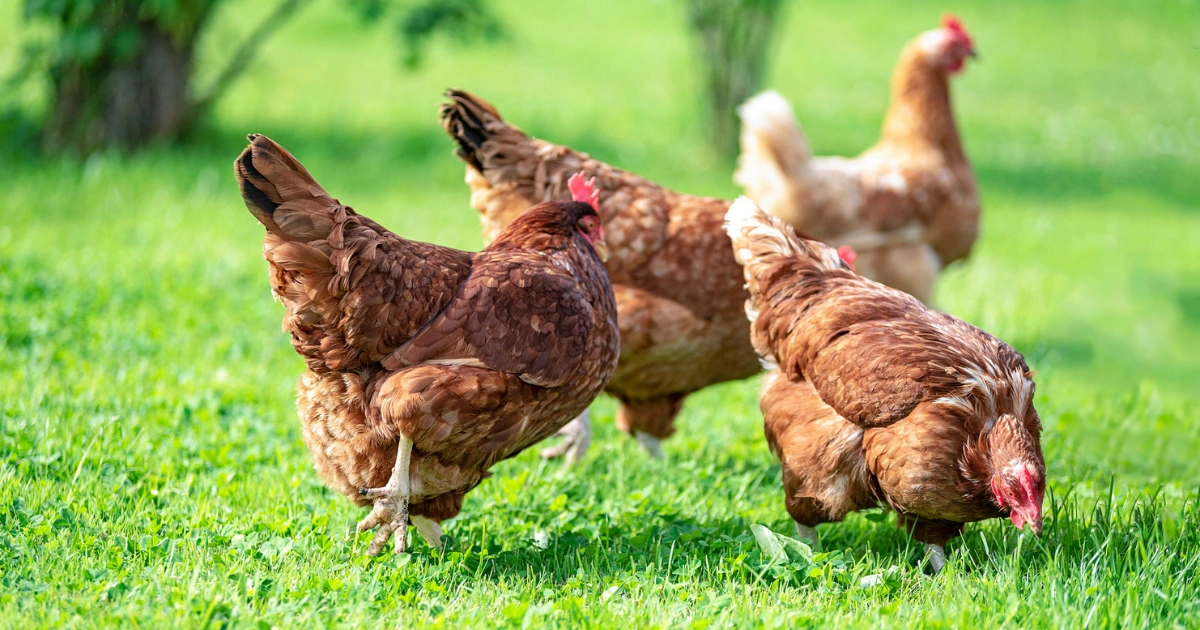
Understanding bird egg incubation periods is essential for anyone interested in poultry farming, backyard breeding, or bird conservation. Each species has its own unique timeline, influenced by genetics, environment, and parental care.
This guide provides a clear breakdown of incubation times across common bird species, along with practical insights to help you achieve better hatching success.
What Is the Incubation Period in Birds?
The incubation period refers to the time between when an egg is laid and when it hatches. During this phase, the embryo develops inside the egg under controlled warmth and humidity.
Most birds rely on body heat from the parent, while others may require artificial incubation in controlled environments.
Average Bird Egg Incubation Periods by Species
Below is a general overview of common bird species and their typical incubation durations:
- Hen (chicken): 21 to 22 days
- Quail: 16 to 18 days
- Goose: 24 to 32 days
- Pigeon: 12 to 16 days
- Ostrich: 35 to 45 days
- Peacock: 25 to 28 days
- Turkey: 28 to 30 days
- Duck: 26 to 29 days
- Guinea fowl: 25 to 28 days
These ranges may vary slightly depending on environmental conditions and breed differences.
Factors That Affect Incubation Time
While species determines the general timeline, several external factors can influence how quickly eggs hatch.
Temperature
Temperature is the most critical factor. Even small fluctuations can delay development or cause failed hatching.
- Ideal range for most poultry: around 37.5°C (99.5°F)
- Too low: slows embryo growth
- Too high: can be fatal
Humidity
Proper humidity ensures the egg loses moisture at the correct rate.
- Low humidity: eggs dry out
- High humidity: poor air exchange inside the egg
Egg Turning
Eggs must be turned regularly to prevent the embryo from sticking to the shell.
- Natural incubation: parent birds rotate eggs instinctively
- Artificial incubation: requires manual or automatic turning
Egg Quality
Fertility and shell condition also play a major role.
- Clean, undamaged eggs hatch more successfully
- Older eggs may have reduced viability
Incubation Period Differences Explained
Why Smaller Birds Hatch Faster
Smaller species like quail and pigeons have shorter incubation periods because their embryos develop more quickly. Their eggs are smaller and require less time for full development.
Why Larger Birds Take Longer
Larger birds such as ostriches need more time due to the size of their eggs and the complexity of development. Larger embryos require extended periods to fully form.
Natural vs Artificial Incubation
Natural Incubation
In natural settings, birds manage all aspects of incubation:
- Maintaining temperature with body heat
- Turning eggs regularly
- Protecting eggs from predators
This method is reliable but depends on the bird’s behavior and environment.
Artificial Incubation
Using an incubator allows for more control, especially in farming or breeding setups.
Advantages include:
- Consistent temperature and humidity
- Higher hatch rates when managed correctly
- Ability to incubate multiple eggs at once
For detailed incubation guidelines, refer to
https://extension.psu.edu/incubation-and-embryology-of-poultry (Penn State Extension).
Tips for Successful Egg Incubation
To improve your results, follow these best practices:
- Maintain stable temperature and humidity levels
- Turn eggs at least 3 to 5 times daily
- Avoid opening the incubator frequently
- Candle eggs to monitor embryo development
- Stop turning eggs a few days before hatching
Consistency is key throughout the entire incubation period.
Common Mistakes to Avoid
Many incubation failures are caused by avoidable errors.
Watch out for:
- Incorrect temperature settings
- Poor ventilation inside the incubator
- Handling eggs too often
- Using dirty or cracked eggs
- Ignoring humidity control
Careful monitoring can significantly increase hatch success rates.
Internal Linking Suggestions
To strengthen your site’s SEO and keep readers engaged, consider linking to:
- “How to Build a Simple Backyard Chicken Coop”
- “Beginner’s Guide to Raising Poultry at Home”
- “Natural Ways to Protect Your Garden from Pests”
These topics align with poultry care and backyard sustainability.
FAQ: Bird Egg Incubation
How do I know if an egg is fertile?
Fertile eggs show visible embryo development when candled after several days. Infertile eggs remain clear inside.
Can incubation time vary within the same species?
Yes, slight variations can occur due to temperature, humidity, and genetics.
What happens if eggs are not turned?
The embryo may stick to the shell, leading to improper development or death.
Do all birds incubate their eggs the same way?
No, incubation behavior varies widely. Some species share duties, while others rely on a single parent.
When should I stop turning eggs?
Typically, eggs should no longer be turned during the last 2 to 3 days before hatching.
Final Thoughts
Bird egg incubation periods vary widely across species, but the principles behind successful hatching remain consistent. By understanding these timelines and maintaining proper conditions, you can significantly improve outcomes whether you are raising poultry or studying birds.
With careful attention to detail, incubation becomes a predictable and rewarding process that supports healthy bird development and sustainable breeding practices.