
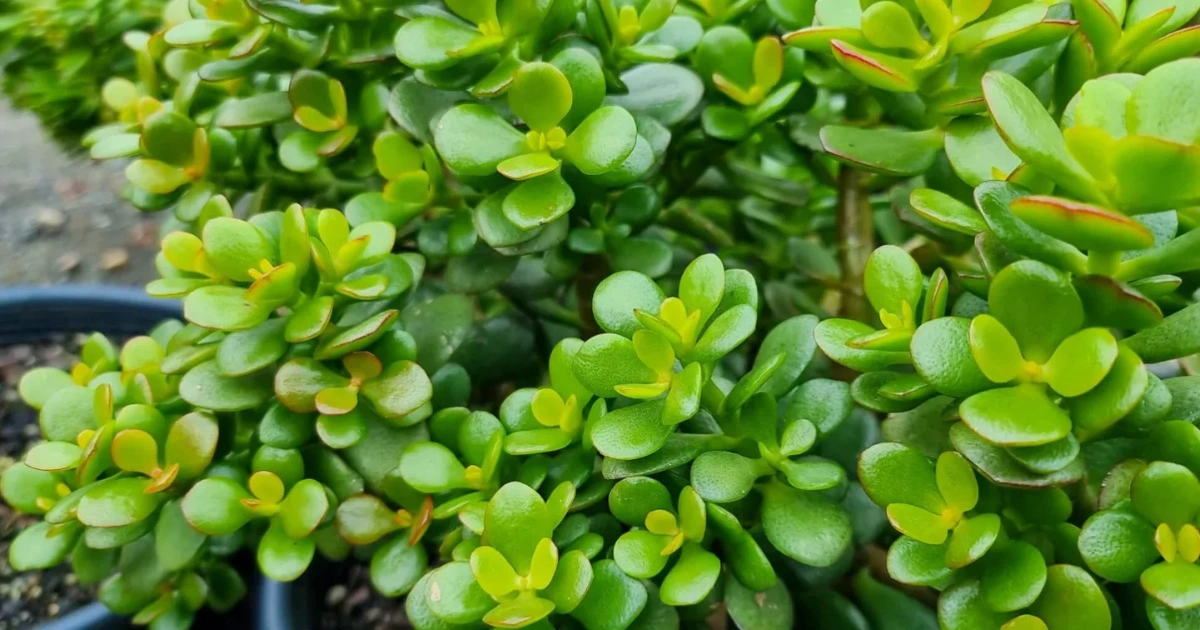
The jade plant is one of the most popular indoor succulents, valued for its thick, glossy leaves, slow growth, and remarkable longevity. Often associated with prosperity and resilience, this plant is also appreciated for being relatively low-maintenance when its basic needs are met. Learning how to plant and care for a jade plant correctly from the start helps ensure healthy growth, strong stems, and a compact, attractive shape over many years.
This guide explains every essential step, from choosing the right location to long-term maintenance, while avoiding common mistakes that often lead to weak or unhealthy plants.
Understanding the Jade Plant’s Natural Needs
Before diving into practical care, it helps to understand where jade plants come from. Native to arid regions of southern Africa, jade plants have evolved to store water in their leaves and stems. This adaptation makes them drought-tolerant but also sensitive to excess moisture.
Successful jade plant care is based on mimicking these natural conditions indoors: bright light, well-draining soil, and infrequent watering.
Choosing the Best Location for a Jade Plant
Light is the most important factor for strong jade plant growth. Without adequate sunlight, the plant becomes leggy, pale, and weak.
Ideal Light Conditions
A jade plant thrives in bright, indirect light for most of the day. A south-facing or west-facing window usually provides the right balance. Direct midday sun through glass can be intense, so some light filtering may be helpful in very bright climates.
Signs that your jade plant is receiving enough light include:
- Thick, firm leaves
- Compact growth
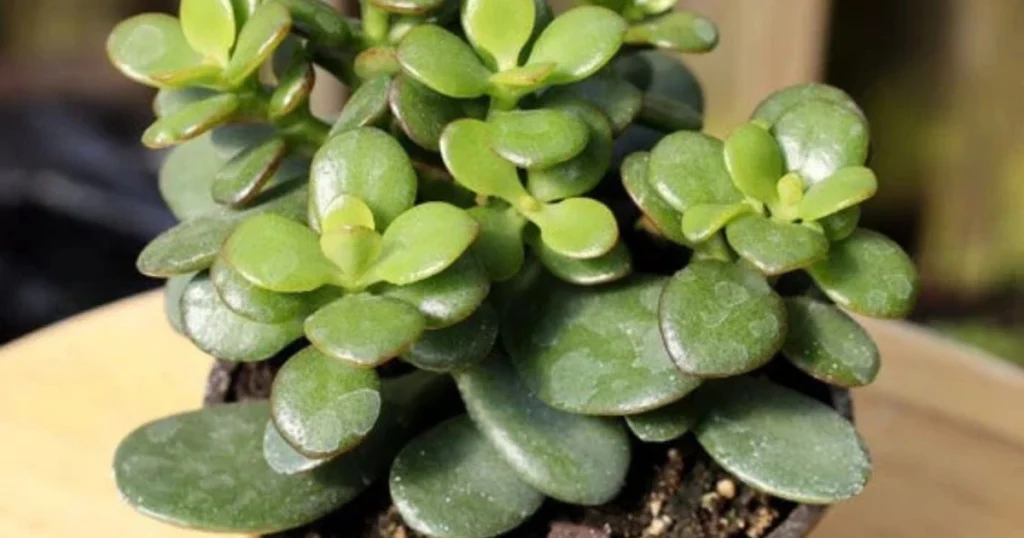
- A rich green color, sometimes with reddish edges
Low-light conditions cause stretched stems and leaf drop, which are difficult to reverse.
Temperature and Airflow
Jade plants prefer stable indoor temperatures between 18 and 24 °C. They tolerate warmer conditions well but are sensitive to cold drafts and sudden temperature drops. Keep them away from unsealed windows during winter and avoid placing them near air conditioners.
Selecting the Right Pot and Soil
The foundation of proper jade plant care begins with the right container and soil mixture.
Pot Selection
Always choose a pot with drainage holes. Jade plants do not tolerate standing water, and poor drainage is one of the most common causes of root rot. Heavy ceramic or clay pots are ideal because they provide stability as the plant grows taller.
The pot should be only slightly larger than the root ball. Oversized containers retain excess moisture, increasing the risk of fungal problems.
Soil Requirements
A fast-draining soil is essential. Commercial cactus or succulent mixes work well, but you can improve drainage further by adding coarse sand or perlite.
An effective soil blend typically includes:
- Succulent potting mix
- Perlite or pumice for aeration
- A small amount of coarse sand
Avoid regular garden soil, which compacts easily and holds too much water.
How to Plant a Jade Plant Properly
Planting technique plays a role in long-term stability and health.
Gently remove the jade plant from its nursery container and inspect the roots. Trim away any soft or damaged roots with clean scissors. Place the plant in the new pot so the base of the stem sits slightly above the soil line. This positioning helps prevent moisture from accumulating around the stem.
Fill the pot loosely with soil, pressing lightly to stabilize the plant without compacting the mix. Water lightly after planting, just enough to settle the soil.
Watering a Jade Plant the Right Way
Watering mistakes are the leading cause of jade plant failure. Because jade plants store water, they require far less frequent watering than most houseplants.
Proper Watering Schedule
Allow the soil to dry completely between waterings. In warm seasons, watering every two to three weeks is usually sufficient. During winter, when growth slows, watering may be needed only once a month.
Always water thoroughly until excess moisture drains from the bottom, then empty the saucer immediately.
Signs of Overwatering
- Yellowing or translucent leaves
- Soft, mushy stems
- Leaves dropping suddenly
Underwatering is less harmful than overwatering and is easier to correct.
Fertilizing for Healthy Growth
Jade plants are not heavy feeders, but occasional fertilization supports steady growth and vibrant foliage.
Use a balanced, diluted succulent fertilizer once a month during the active growing season, from spring through early autumn. Avoid fertilizing in winter, when the plant enters a rest period and does not actively absorb nutrients.
Over-fertilization can cause weak growth and salt buildup in the soil, so moderation is key.
Pruning and Shaping a Jade Plant
Pruning encourages a compact form and strengthens the main stems. The best time to prune is early spring, just before new growth begins.
Remove leggy or weak branches using clean, sharp tools. Cut just above a leaf node to encourage branching. Regular pruning also improves airflow and reduces the risk of pests.
Pruned sections can be used for propagation, making jade plants easy to multiply.
How to Propagate a Jade Plant Successfully
Propagation is one of the most rewarding aspects of jade plant care. Both leaf and stem cuttings work well.
For stem cuttings:
- Cut a healthy branch several centimeters long
- Allow the cutting to dry for two to four days until a callus forms
- Place the cutting in dry, well-draining soil
- Wait several days before watering lightly
Roots typically develop within a few weeks. Leaf propagation follows the same process but takes longer to establish.
Preventing Common Jade Plant Problems
Even with proper care, jade plants can occasionally encounter issues.
Pest Management
The most common pests include mealybugs and spider mites. Inspect leaf joints and stems regularly. Early treatment with diluted alcohol or insecticidal soap is usually effective.
Leaf Drop and Weak Growth
Leaf loss is often linked to sudden environmental changes, overwatering, or insufficient light. Gradual adjustments and consistent care help prevent stress-related problems.
Root Rot
Root rot develops when soil remains wet for extended periods. If detected early, removing affected roots and repotting in fresh, dry soil can save the plant.
Seasonal Care Adjustments
Jade plant care changes slightly throughout the year.
During spring and summer, growth is more active, requiring slightly more frequent watering and occasional feeding. In autumn and winter, reduce watering and stop fertilizing entirely. Maintaining stable indoor temperatures during colder months is especially important.
Long-Term Jade Plant Care and Longevity
With proper care, a jade plant can live for decades and even become a family heirloom. Older plants develop thick, woody stems and a tree-like appearance that adds character to indoor spaces.
Consistency is the key to long-term success. Avoid sudden changes in light, watering, or temperature, and allow the plant to adapt gradually when conditions shift.
Frequently Asked Questions
How often should I water a jade plant indoors?
Most jade plants need watering every two to three weeks during warm months and about once a month in winter, depending on indoor humidity and light levels.
Can jade plants survive in low light?
They can survive but will not thrive. Low light causes stretched growth and leaf drop over time. Bright, indirect light is essential for healthy development.
Why are my jade plant’s leaves turning yellow?
Yellow leaves usually indicate overwatering or poor drainage. Allow the soil to dry completely and ensure excess water can drain freely.
Should I mist a jade plant?
Misting is unnecessary and can increase the risk of fungal issues. Jade plants prefer dry air and good airflow.
How long does it take for jade cuttings to root?
Stem cuttings usually develop roots within two to four weeks under warm, bright conditions.
Internal Linking Suggestions
For readers interested in expanding their indoor plant knowledge, consider linking to these relevant articles on secretsofthegreengarden.com:
- “Succulent Soil Mixes Explained for Indoor Plants”
- “Common Indoor Plant Watering Mistakes and How to Avoid Them”
- “Best Low-Maintenance Houseplants for Beginners”
External Linking Suggestions
For additional authoritative information, the following non-competing sources provide reliable guidance:
- Royal Horticultural Society: guidance on succulent care and indoor plants
- University extension services on houseplant care and watering practices
- Botanical garden resources focusing on Crassula ovata cultivation
Final Thoughts
Learning how to plant and care for a jade plant successfully is about understanding its natural adaptations and respecting its need for light, drainage, and restraint in watering. When these fundamentals are in place, the jade plant rewards its owner with steady growth, resilience, and timeless beauty.
With patience and consistent care, a jade plant can remain a healthy, attractive centerpiece in your indoor garden for many years.
**ignitra**
ignitra is a premium, plant-based dietary supplement created to support healthy metabolism, weight management, steady energy, and balanced blood sugar as part of an overall wellness routine
**neuro sharp**
neurosharp is a next-level brain and cognitive support formula created to help you stay clear-headed, improve recall, and maintain steady mental performance throughout the day.
**finessa**
Finessa is a natural supplement made to support healthy digestion, improve metabolism, and help you achieve a flatter belly.