
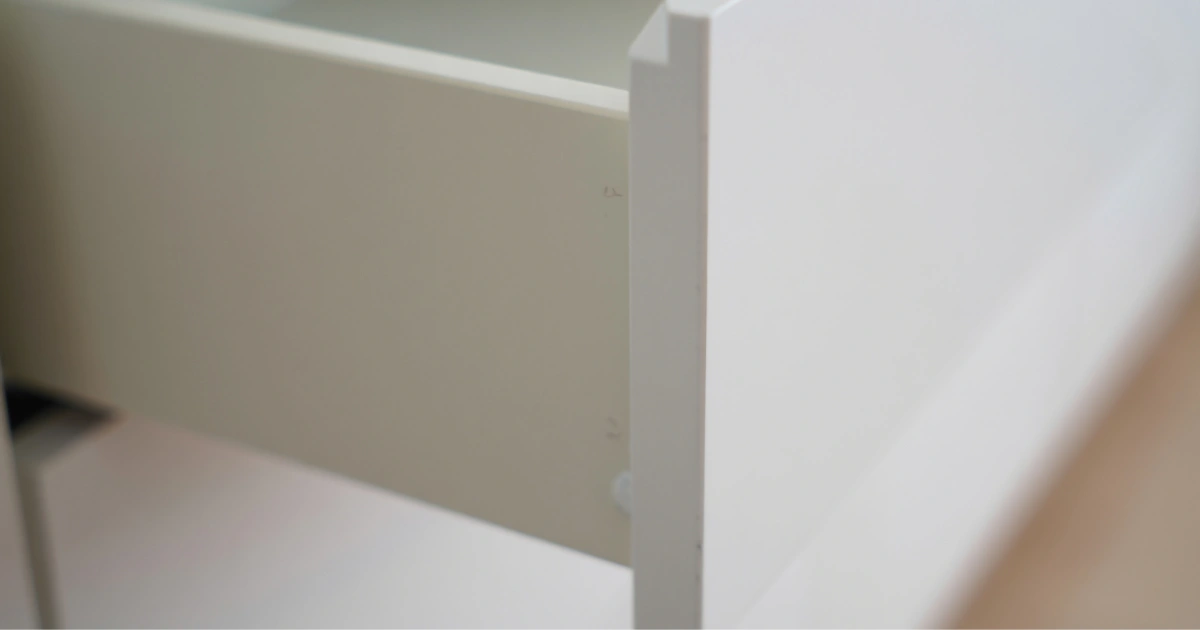
Corner cabinets are often one of the most challenging areas to utilize efficiently in a kitchen. Poorly designed corners can result in wasted space, inaccessible storage, and even frustrating collisions with drawers and doors. With the right setup, corner cabinets can become highly functional, maximizing storage and improving kitchen workflow.
Why Corner Cabinet Design Matters
A poorly arranged corner cabinet can block drawers, make items hard to reach, and reduce overall kitchen efficiency. Conversely, a well-planned corner setup:
- Prevents drawers and doors from interfering with each other
- Provides easy access to cookware and pantry items
- Improves the aesthetic and functional flow of the kitchen
Optimizing your corner cabinets is key to creating a smooth and organized cooking space.
Common Mistakes in Corner Cabinet Setup
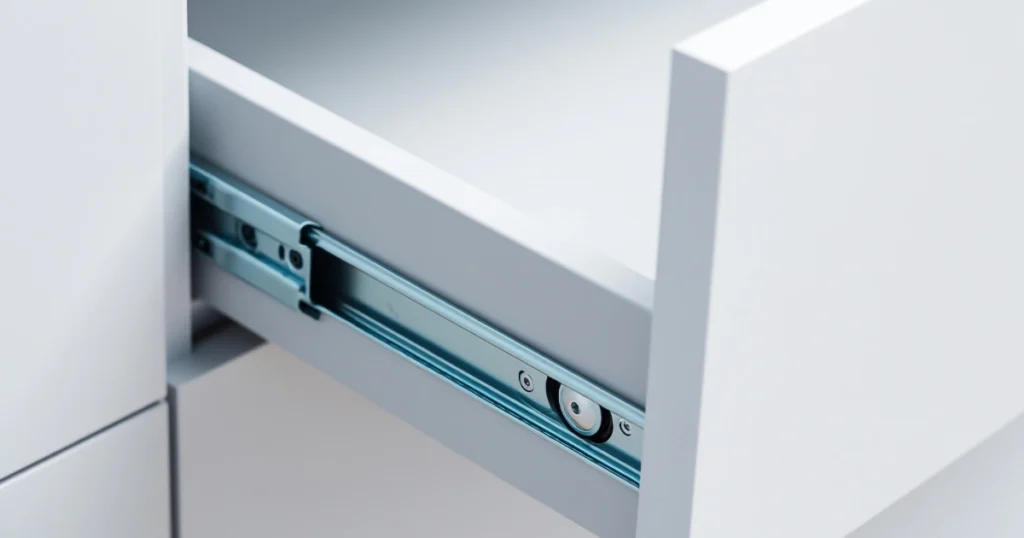
- Drawer Collision: Installing a standard drawer in a corner cabinet often causes it to collide with adjacent cabinets.
- Underutilized Space: Not using the full depth of the corner leads to wasted storage.
- Inaccessible Items: Items stored in deep corners without pull-out mechanisms are difficult to reach.
Recommended Corner Cabinet Solutions
- Lazy Susans: Rotating shelves allow easy access to all items in the corner, keeping everything visible.
- Pull-Out Drawers: Specially designed pull-out drawers or trays ensure that you can reach the back of the cabinet without strain.
- Diagonal Cabinets: Angled cabinets provide more usable storage while preventing collisions with adjacent drawers.
- Corner Baskets: Tiered or sliding baskets make storing pantry items easier and more organized.
Choosing the right mechanism for your corner cabinets depends on your storage needs and kitchen layout.
Step-by-Step Corner Cabinet Setup Tips
- Assess Your Layout: Identify corners where standard drawers may collide or obstruct access.
- Select Appropriate Storage Solutions: Decide between lazy susans, pull-outs, or angled shelves.
- Plan for Accessibility: Store frequently used items in the most reachable areas and less-used items deeper in the cabinet.
- Install Proper Hardware: Use durable slides and hinges for smooth operation and longevity.
- Test Before Finalizing: Open and close drawers, rotate shelves, and adjust spacing to ensure functionality.
Additional Kitchen Organization Tips
- Label containers and shelves for easy identification
- Use stackable or modular bins to maximize space
- Store heavy items lower and lighter items higher for safety
- Keep a consistent kitchen workflow in mind when organizing corners
FAQ
What is the best type of corner cabinet for small kitchens?
Pull-out drawers or lazy susans are ideal for small kitchens as they maximize storage without taking up extra floor space.
Can I convert a standard corner cabinet to a more functional layout?
Yes, many standard cabinets can be retrofitted with pull-out trays, lazy susans, or angled shelves for improved usability.
How do I prevent cabinet collisions?
Ensure that drawer slides and door hinges are designed for corner setups, allowing them to operate without hitting adjacent cabinets.
Are corner cabinets worth the investment?
Optimized corner cabinets increase storage efficiency, improve accessibility, and enhance the overall kitchen experience, making them a worthwhile investment.
How do I maintain corner cabinets?
Regularly clean shelves, lubricate moving parts, and check for alignment issues to keep the system working smoothly.
Hệ thống 888slot – unitedlaborbenefits.com tự động sao lưu lịch sử chơi, số dư và cài đặt cá nhân – bạn có thể chuyển sang thiết bị mới mà không mất bất kỳ dữ liệu nào, tiếp tục hành trình giải trí liền mạch. TONY03-11O