
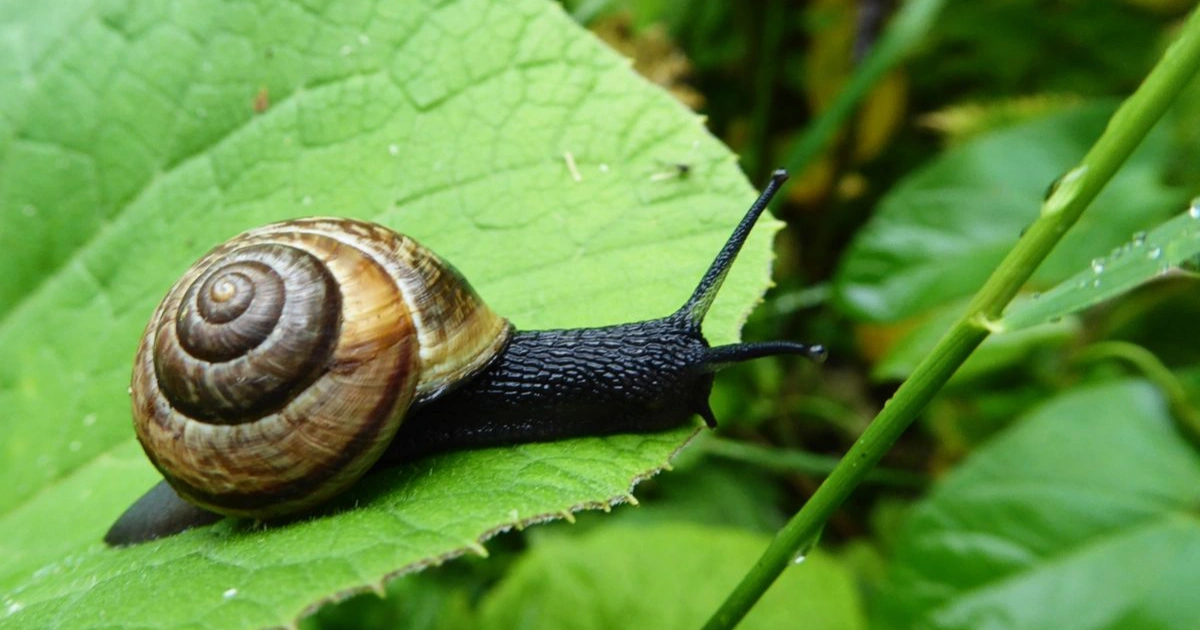
Snails are often overlooked in gardens, yet they play an important role in maintaining a balanced ecosystem. However, improper handling can seriously harm them. Many people mistakenly pick up snails by their shells, unaware that this can cause internal injuries or even death.
In this guide, you’ll learn the correct way to handle snails safely, why it matters, and how to interact with them responsibly in your garden or natural environment.
Why Proper Snail Handling Matters
Snails may appear sturdy because of their shells, but they are extremely delicate animals. The shell is not just an external structure—it is directly connected to the snail’s body.
The soft tissue inside, called the mantle, attaches the snail to its shell. Any force applied incorrectly can damage this vital connection.
Improper handling can lead to:
- Tears in the mantle tissue
- Internal injuries
- Stress and dehydration
- Increased risk of death
Understanding these risks is the first step toward more ethical and responsible interaction with wildlife.
Primary Keyword: handling snails safely
Handling snails safely is essential not only for their survival but also for maintaining ecological balance. Snails contribute to soil health, decomposition, and nutrient cycling, making them valuable in any garden.
The Anatomy Behind the Risk
To handle snails correctly, it helps to understand their basic anatomy.
The Shell Is Not a Handle
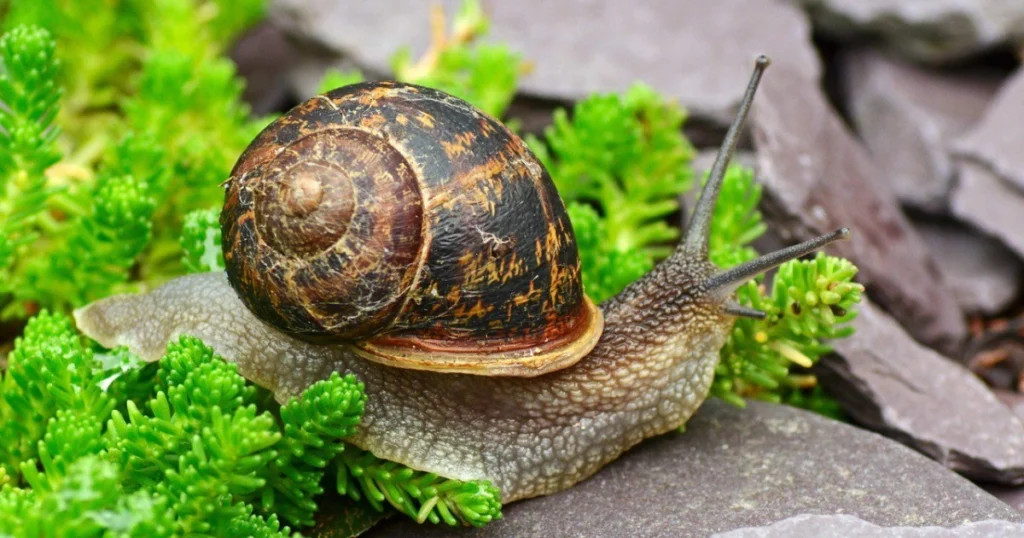
The shell is part of the snail’s body. It grows with the snail and is fused to internal organs. When you pull a snail by its shell, you risk tearing the mantle.
The Mantle’s Role
The mantle is a thin layer of tissue that connects the snail’s body to the shell. It is highly sensitive and essential for survival.
Damage to this area can result in:
- Loss of bodily fluids
- Infection
- Inability to retract properly
This is why proper snail care is crucial when moving or rescuing them.
The Wrong Way to Pick Up a Snail
Many people instinctively grab a snail by its shell. This method is dangerous and should always be avoided.
Here’s what happens when you lift a snail incorrectly:
- The snail resists and clings to the surface
- Force pulls against the mantle
- Tissue may tear under pressure
- Internal damage occurs even if not visible
Even gentle pulling can be harmful if the snail has not released its grip.
The Right Way: Step-by-Step Guide
Handling snails safely requires patience and a gentle approach. Follow these steps to ensure you do not harm the animal.
1. Encourage the Snail to Move
Lightly tap or touch the shell. This signals the snail to retract into its shell naturally.
Avoid sudden movements or pressure.
2. Wait for Retraction
Give the snail time to withdraw completely. This step is critical and should never be rushed.
Patience prevents unnecessary stress and injury.
3. Lift Gently
Once the snail has retracted, you can carefully lift it using minimal pressure.
Hold it close to the ground to reduce the risk of dropping it.
4. Place It Back Properly
Return the snail to a safe location, ideally facing the direction it was originally moving.
This helps reduce disorientation and stress.
Common Mistakes to Avoid
Even well-meaning individuals can unintentionally harm snails. Here are some frequent mistakes:
- Pulling snails off surfaces forcefully
- Handling them when they are fully extended
- Dropping them from height
- Placing them on unsuitable surfaces
- Using dry hands, which can dehydrate them
Being mindful of these errors improves your approach to snail rescue and relocation.
When Should You Move a Snail?
There are situations where moving a snail is beneficial or necessary.
Safe Reasons to Relocate
- Removing snails from walkways to prevent being stepped on
- Moving them away from roads or hazardous areas
- Protecting them during garden maintenance
When to Leave Them Alone
- If they are in a stable, natural habitat
- During feeding or mating
- When unnecessary interference could cause stress
Respecting wildlife boundaries is part of ethical gardening practices.
Benefits of Snails in the Garden
Although some gardeners see snails as pests, they provide several ecological benefits.
Soil Health
Snails help break down organic matter, enriching the soil with nutrients.
Decomposition
They feed on decaying plant material, accelerating decomposition.
Biodiversity Support
Snails are part of the food chain, supporting birds, insects, and other animals.
Understanding their role can shift your perspective from removal to coexistence.
Tips for Gentle Snail Care in Gardens
If you frequently encounter snails, consider adopting these best practices:
- Keep your hands slightly moist before handling
- Move them during cooler parts of the day
- Avoid exposure to direct sunlight
- Place them in shaded, humid areas
- Limit handling time
These small actions make a significant difference in reducing harm.
Ethical Wildlife Interaction
Handling snails safely is part of a broader commitment to ethical wildlife care.
According to the National Park Service, minimizing physical interaction with wildlife helps reduce stress and injury. You can learn more from the official guidance here:
https://www.nps.gov/subjects/wildlifehealth/index.htm
Similarly, the Royal Society for the Protection of Birds emphasizes respectful interaction with small creatures in natural habitats:
https://www.rspb.org.uk
For deeper scientific insight into invertebrate biology, the Smithsonian Institution provides reliable educational resources:
https://naturalhistory.si.edu
These sources highlight the importance of responsible behavior when interacting with all forms of life.
Internal Linking Suggestions
To improve your gardening knowledge and support sustainable practices, consider linking to related articles on secretsofthegreengarden.com such as:
- “Natural Ways to Protect Your Garden Without Harmful Chemicals”
- “How to Create a Wildlife-Friendly Garden Environment”
- “Simple Methods to Improve Soil Health Naturally”
These topics align closely with humane snail care and eco-friendly gardening.
Frequently Asked Questions
Can picking up a snail by its shell kill it?
Yes, it can. Pulling a snail by its shell may tear the mantle, which can lead to internal damage or death.
Is it safe to touch snails with bare hands?
It is generally safe, but your hands should be clean and slightly moist. Dry hands can harm the snail’s delicate body.
How do I remove a snail stuck to a surface?
Never pull it off. Instead, gently encourage it to retract or wait until it releases naturally.
Do snails feel pain?
While their nervous system is simpler than mammals, snails can respond to harmful stimuli. This suggests they experience discomfort or stress.
Should I remove snails from my garden?
Not necessarily. Snails contribute to soil health and biodiversity. Only relocate them if they pose a specific problem.
Final Thoughts
Handling snails safely is a simple yet meaningful way to support nature. With patience and awareness, you can prevent unnecessary harm and contribute to a healthier ecosystem.
By understanding their anatomy and behavior, you transform a small action into responsible environmental care. Whether you are a gardener or simply someone who enjoys nature, treating snails with respect reflects a broader commitment to living sustainably.