
The image shows the full journey of star anise—from seeds in hand to a healthy potted shrub, green pods on the plant, and the dried star-shaped spice used in cooking. While star anise takes patience, it can be grown at home in the right conditions.
What You’re Seeing in the Image
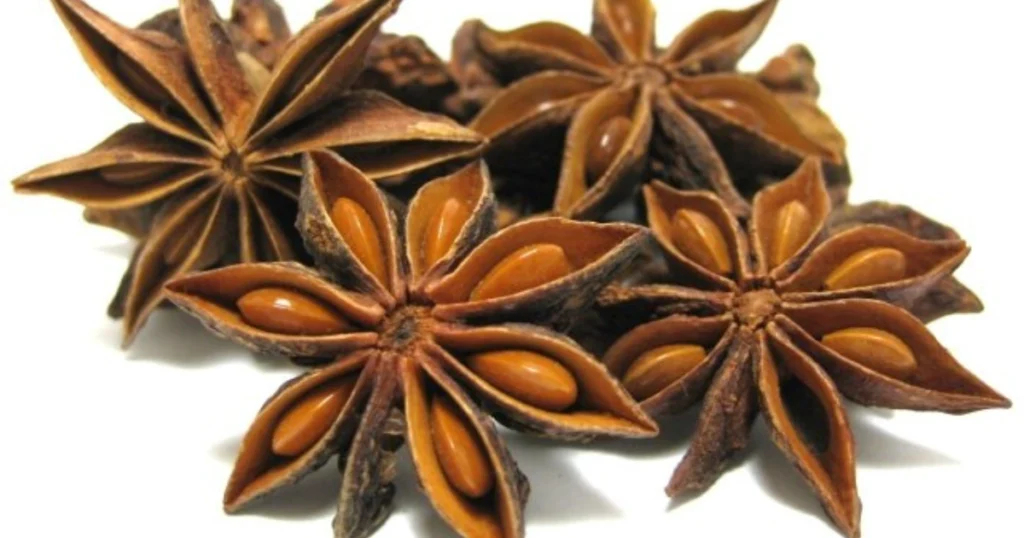
- Top left: Dried star anise pods with seeds inside
- Top right: A young star anise plant grown in a pot
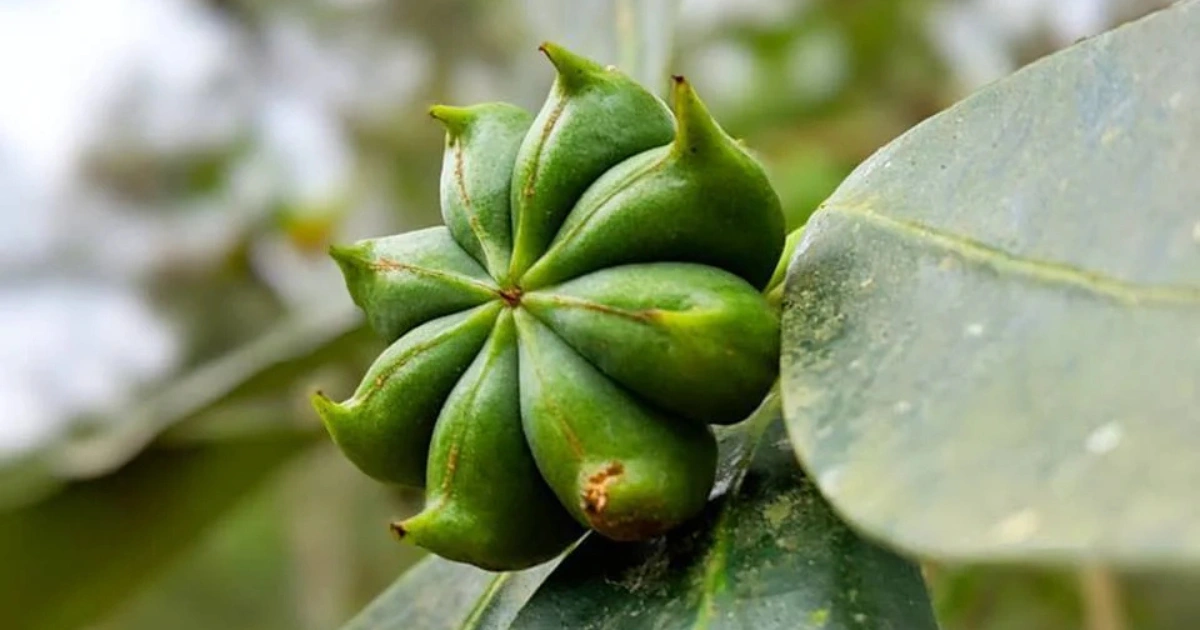
- Bottom left & center: Green, unripe star anise pods forming on the plant
- Bottom right: Fully dried star anise ready for use
Important Before You Start
Only Illicium verum (Chinese star anise) is edible. Some ornamental species look similar but are toxic. Always source seeds from a reliable culinary supplier.
How to Grow Star Anise Step by Step
1. Seed Preparation
- Use fresh seeds from whole star anise pods
- Soak seeds in warm water for 24 hours to improve germination
2. Planting
- Use a pot with good drainage
- Soil should be rich, loose, and slightly acidic
- Plant seeds about 2–3 cm deep
- Keep soil moist but not soggy
3. Light and Temperature
- Bright, indirect light or partial sun
- Prefers warm, humid conditions
- Ideal temperature: 20–30°C (68–86°F)
4. Growth and Care
- Germination may take 4–8 weeks
- Growth is slow in the first year
- Keep soil evenly moist
- Protect from frost and cold winds
When Does It Produce Star Anise?
- Star anise is a tree, not a fast herb
- Flowers and pods usually appear after 5–7 years
- Green pods are harvested before fully ripe, then dried
Can It Be Grown in Pots?
Yes. Star anise adapts well to large containers, especially in cooler climates where it can be moved indoors during winter.