
Growing your own bananas at home is not only possible but surprisingly rewarding. With the right conditions and care, you can transform a simple plant into a thriving banana tree that produces fresh fruit. This guide explains everything you need to know about how to grow bananas at home, from selecting the right planting material to harvesting ripe fruit.
Understanding Banana Plants
Bananas are not technically trees but large herbaceous plants. They grow from underground structures called rhizomes, which continuously produce new shoots.
Unlike many fruit plants, bananas grow quickly and can produce fruit within a year under ideal conditions. Their lifecycle includes vegetative growth, flowering, fruiting, and regeneration through new shoots.
Choosing the Right Banana Variety
Selecting the correct variety is essential for success, especially if you plan to grow bananas in limited space or cooler climates.
Popular Options for Home Growing
- Dwarf Cavendish: Ideal for containers and small gardens
- Lady Finger: Known for sweet, smaller fruits
- Red Banana: Unique color and rich flavor
Dwarf varieties are especially suitable for indoor or patio cultivation.
Planting Bananas: Step-by-Step
To begin growing bananas, you need a healthy rhizome or young plant.
1. Select a Healthy Rhizome
Look for firm, disease-free planting material with visible roots.
2. Choose the Right Location
Bananas thrive in:
- Full sunlight (at least 6–8 hours daily)
- Warm temperatures (20–30°C / 68–86°F)
- Wind-protected areas
3. Prepare the Soil
Use well-draining, nutrient-rich soil. A mix of compost, garden soil, and sand works well.
4. Planting Process
- Dig a hole about 30–50 cm deep
- Place the rhizome upright
- Cover with soil and water thoroughly
Proper spacing is important if planting multiple banana plants.
Essential Care Tips for Banana Growth
Watering
Bananas require consistent moisture but do not tolerate waterlogging. Water deeply 2–3 times per week, depending on climate.
Fertilization
These plants are heavy feeders. Use:
- Organic compost
- Balanced fertilizer (rich in potassium)
Feed regularly during the growing season.
Mulching
Apply mulch around the base to:
- Retain moisture
- Suppress weeds
- Improve soil health
Pruning
Remove excess shoots to focus energy on the main plant. Typically, keep one main stem and one secondary shoot.
From Flower to Fruit
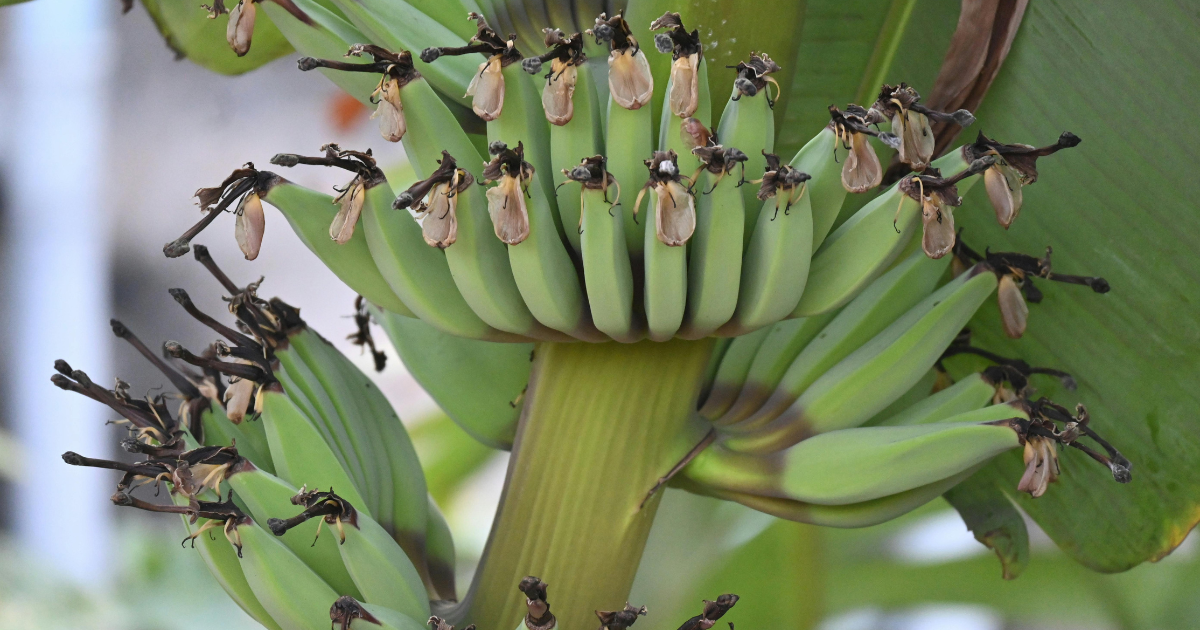
Banana plants produce a large flower known as the banana heart. Over time, this develops into clusters of bananas.
Growth Stages
- Vegetative growth
- Flower emergence
- Fruit formation
- Ripening
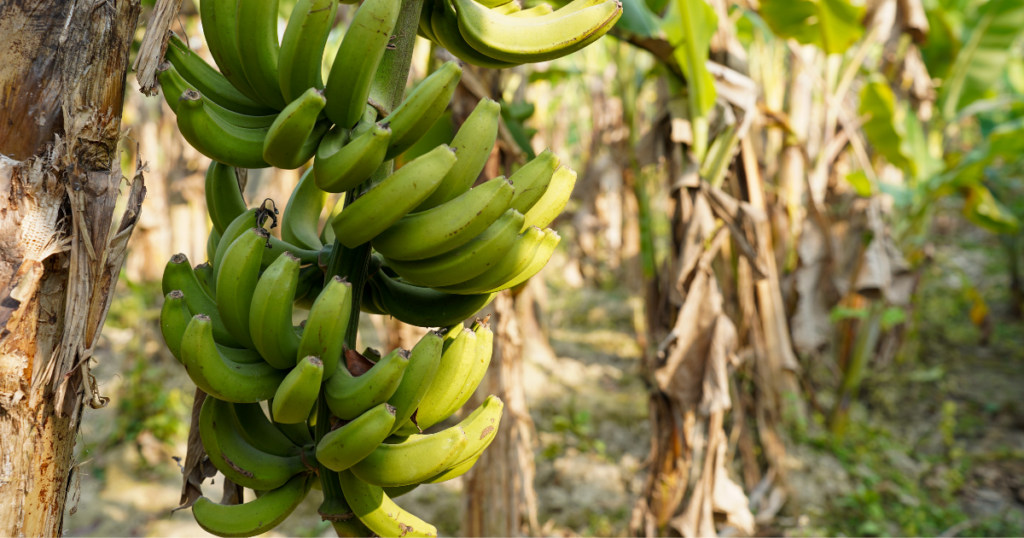
Bananas are usually harvested while still green and allowed to ripen off the plant.
Common Problems and Solutions
Yellowing Leaves
Often caused by nutrient deficiency or overwatering.
Slow Growth
May result from insufficient sunlight or poor soil quality.
Pests
Watch for aphids and spider mites. Use natural remedies like neem oil when needed.
How Long Does It Take to Grow Bananas?
Under ideal conditions, banana plants can produce fruit in 9 to 15 months. Climate, care, and variety all influence growth speed.
Tips for Growing Bananas in Pots
If space is limited, container growing is a great option.
- Choose a large pot (at least 50 liters)
- Ensure excellent drainage
- Place in a sunny location
- Water more frequently than ground plants
Dwarf varieties perform best in containers.
Harvesting Bananas
Bananas are ready to harvest when:
- The fruits are full-sized
- Edges become rounded
- Color shifts from dark green to lighter green
Cut the entire bunch carefully and allow it to ripen indoors.
FAQ: Growing Bananas at Home
Can bananas grow in cold climates?
Bananas prefer warm environments, but some cold-hardy varieties can survive mild frost with protection.
Do banana plants need a lot of water?
Yes, but they require well-drained soil to prevent root rot.
Can I grow bananas indoors?
Yes, especially dwarf varieties, as long as they receive enough sunlight.
How many bananas does one plant produce?
A single plant typically produces one bunch, which can contain dozens of bananas.
What happens after harvesting?
The main plant dies, but new shoots (pups) will continue the cycle.
Internal Linking Suggestions
To improve site structure, consider linking this article to related content on secretsofthegreengarden.com:
- “How to Grow Tropical Plants in Small Spaces”
- “Best Organic Fertilizers for Fruit Plants”
- “Container Gardening Tips for Beginners”
External Linking Suggestions
For additional reliable information, consider referencing:
- Food and Agriculture Organization (FAO) – Banana cultivation practices
- University of Florida IFAS Extension – Banana growing guides
- Royal Horticultural Society (RHS) – Tropical plant care
These trusted sources provide science-based guidance and complement this article.
Final Thoughts
Learning how to grow bananas at home opens the door to a productive and enjoyable gardening experience. With proper care, patience, and the right environment, you can enjoy fresh, homegrown bananas and a lush tropical touch in your space.
Whether you grow them in your backyard or in containers, banana plants are a valuable addition to any garden.