
Growing a date palm from seed is a slow but rewarding process that turns a simple pit into an elegant, tropical-looking plant. While date palms are best known for producing fruit in hot desert climates, they also make excellent ornamental plants when grown at home, in gardens, patios, or large containers.
This guide explains how to germinate date seeds successfully, how to care for young seedlings, and what to realistically expect as the plant matures.
Understanding Date Palm Seeds
Date palms come from the species Phoenix dactylifera. Each fruit contains a single hard seed that can remain viable for months if stored dry. When given warmth, moisture, and patience, these seeds sprout reliably.
Important expectations:
- Seed-grown palms may not produce edible fruit
- Fruiting (if it happens) takes many years
- Plants grown from seed are genetically variable
- Most home growers grow them for beauty, not harvest
Step 1: Choosing the Right Date Seeds
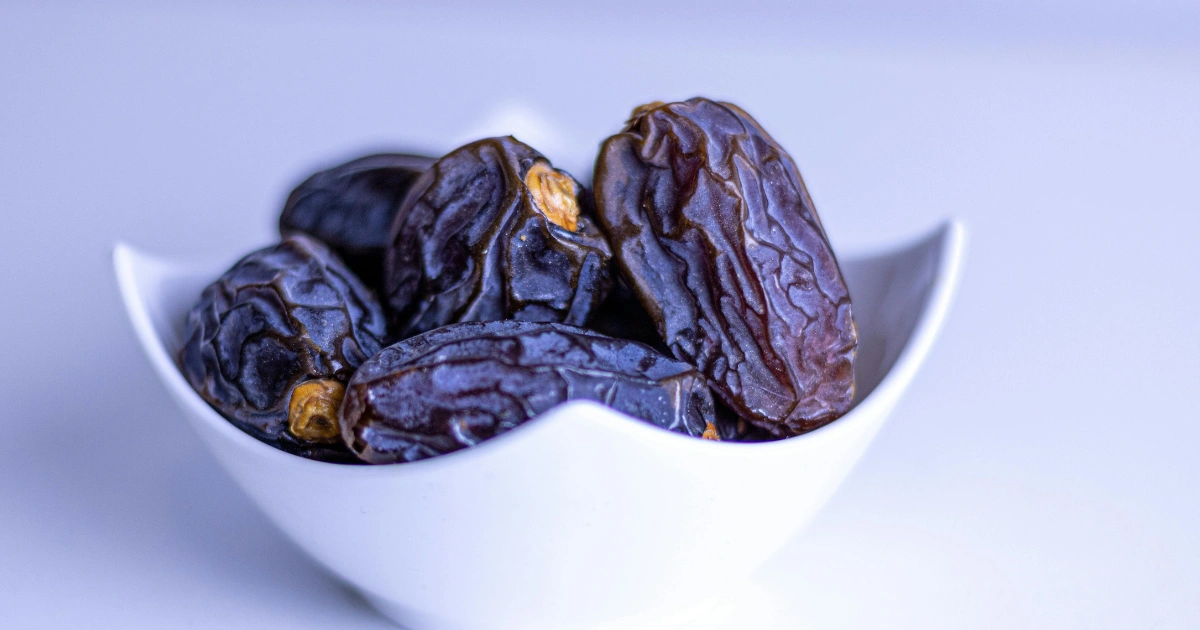
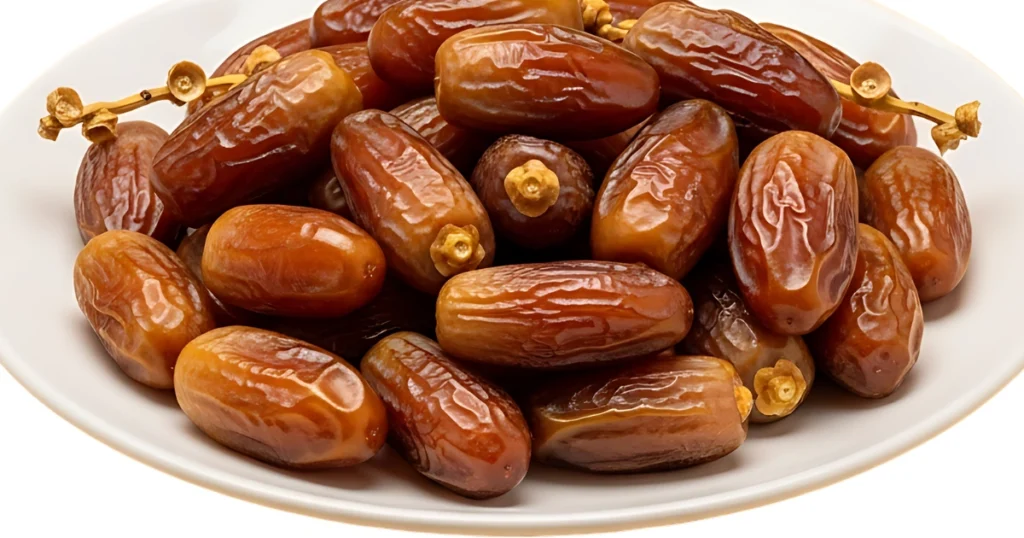
Start with fresh, untreated dates. Seeds from dried dates often germinate better than seeds from processed or candied dates.
Best seed sources:
- Organic dried dates
- Medjool or Deglet Noor dates
- Dates with no preservatives or added sugars
Avoid seeds from cooked or syrup-packed dates, as heat damages viability.
Step 2: Cleaning and Preparing the Seeds
Before planting, seeds must be cleaned thoroughly to prevent mold.
How to prepare:
- Remove all fruit flesh completely
- Rinse seeds under warm water
- Scrub gently to remove sticky residue
- Let seeds dry for 24 hours
Optional but helpful:
- Soak seeds in warm water for 24–48 hours
- Change the water daily
- This softens the seed coat and speeds up germination
Step 3: Germinating Date Palm Seeds
Method 1: Paper Towel Method
This method allows you to monitor progress easily.
Steps:
- Wrap seeds in a damp (not dripping) paper towel
- Place inside a sealed plastic bag or container
- Store in a warm location (25–30°C / 77–86°F)
- Check weekly and re-moisten if needed
Germination usually occurs in 2–8 weeks, sometimes longer.
Method 2: Direct Soil Germination
You can also plant seeds directly in soil.
Steps:
- Use well-draining potting mix
- Plant seeds horizontally or slightly angled
- Cover with 2–3 cm of soil
- Keep soil warm and lightly moist
This method avoids transplant shock later.
Step 4: Recognizing Germination
The first sign of success is a white root emerging from the seed. Shortly after, a single narrow leaf pushes upward.
Do not disturb seeds during this stage. The root system develops first and is sensitive to damage.
Step 5: Planting the Seedling in a Pot
Once the sprout reaches 5–10 cm tall, move it into a deeper pot.
Ideal container:
- At least 20–25 cm deep
- Drainage holes required
- Tall pots are better than wide ones
Recommended soil mix:
- 50% potting soil
- 25% coarse sand or perlite
- 25% compost or coconut coir
Date palms dislike soggy roots. Drainage is critical.
Step 6: Light and Temperature Requirements
Date palms thrive in bright light and warmth.
Light:
- Full sun is ideal once established
- Young seedlings prefer bright, indirect light
- Gradually acclimate to direct sun
Temperature:
- Ideal range: 20–35°C (68–95°F)
- Avoid frost
- Indoor plants should be kept away from cold drafts
Step 7: Watering and Feeding
Watering
Young palms prefer evenly moist soil but hate waterlogging.
Guidelines:
- Water when the top 2–3 cm of soil dries
- Reduce watering in cooler months
- Never let pots sit in standing water
Fertilizing
For the first 3–4 months, fertilization is unnecessary.
After that:
- Use a diluted balanced fertilizer
- Apply every 4–6 weeks during active growth
- Avoid excessive nitrogen
Step 8: Growth Timeline and What to Expect
Date palms grow slowly, especially in containers.
Typical growth pattern:
- Year 1: Thin, grass-like leaves
- Years 2–3: Stronger fronds form
- Years 4–6: Trunk development begins
- 7+ years: Mature palm structure
Indoor or potted palms may remain compact for many years.
Common Problems and Solutions
Mold During Germination
Cause: Excess moisture
Fix: Improve airflow, reduce dampness
Yellowing Leaves
Cause: Overwatering or nutrient deficiency
Fix: Improve drainage, adjust feeding
Slow Growth
Cause: Low light or cool temperatures
Fix: Increase sun exposure and warmth
Can You Grow Dates Indoors?
Yes, but with limitations.
Indoor date palms:
- Grow well as ornamental plants
- Rarely produce fruit
- Need bright light or supplemental grow lights
- Benefit from occasional outdoor summer exposure
FAQ: Growing Date Palms From Seed
How long do date seeds take to germinate?
Anywhere from 2 to 8 weeks, sometimes longer depending on temperature.
Will a seed-grown date palm produce fruit?
Not always. Many seed-grown palms never fruit or produce inferior dates.
Do date palms need full sun?
Yes, once established. Young seedlings need gradual sun exposure.
Can date palms survive winter indoors?
Yes, if kept warm and in bright light.
How tall will a potted date palm grow?
Typically 1–3 meters indoors over many years.
Internal Linking Suggestions
From secretsofthegreengarden.com, consider linking to:
- How to Grow Tropical Plants Indoors
- Best Soil Mixes for Container Gardening
- Seed Germination Tips for Beginners
Final Thoughts
Growing a date palm from seed is a lesson in patience and consistency. While fruit production is uncertain, the process itself is simple and deeply satisfying. With warmth, light, and proper care, a tiny seed can become a striking palm that lasts for decades.
Whether grown indoors or outdoors, date palms bring a timeless, exotic beauty that starts with nothing more than a single seed.
I love how well-organized and detailed this post is.
Эта статья предлагает живое освещение актуальной темы с множеством интересных фактов. Мы рассмотрим ключевые моменты, которые делают данную тему важной и актуальной. Подготовьтесь к насыщенному путешествию по неизвестным аспектам и узнайте больше о значимых событиях.
Всё самое вкусное внутри – https://clockrestore.co.za
Your articles always leave me thinking.
QQ88 mang đến nền tảng giải trí trực tuyến được tối ưu hiệu suất, giúp người dùng truy cập nhanh, thao tác mượt và trải nghiệm ổn định.
I feel more confident tackling this now, thanks to you.
Thank you for making this topic less intimidating.
Nice post. I learn something more challenging on different blogs everyday. It will always be stimulating to read content from other writers and practice a little something from their store. I’d prefer to use some with the content on my blog whether you don’t mind. Natually I’ll give you a link on your web blog. Thanks for sharing.
Hi there, just became alert to your blog through Google, and found that it is really informative. I am going to watch out for brussels. I’ll appreciate if you continue this in future. Numerous people will be benefited from your writing. Cheers!
Nice post. I learn something more challenging on different blogs everyday. It will always be stimulating to read content from other writers and practice a little something from their store. I’d prefer to use some with the content on my blog whether you don’t mind. Natually I’ll give you a link on your web blog. Thanks for sharing.
It’s really very complicated in this full of activity
life to listen news on Television, thus I only use
world wide web for that purpose, and get the newest news.