
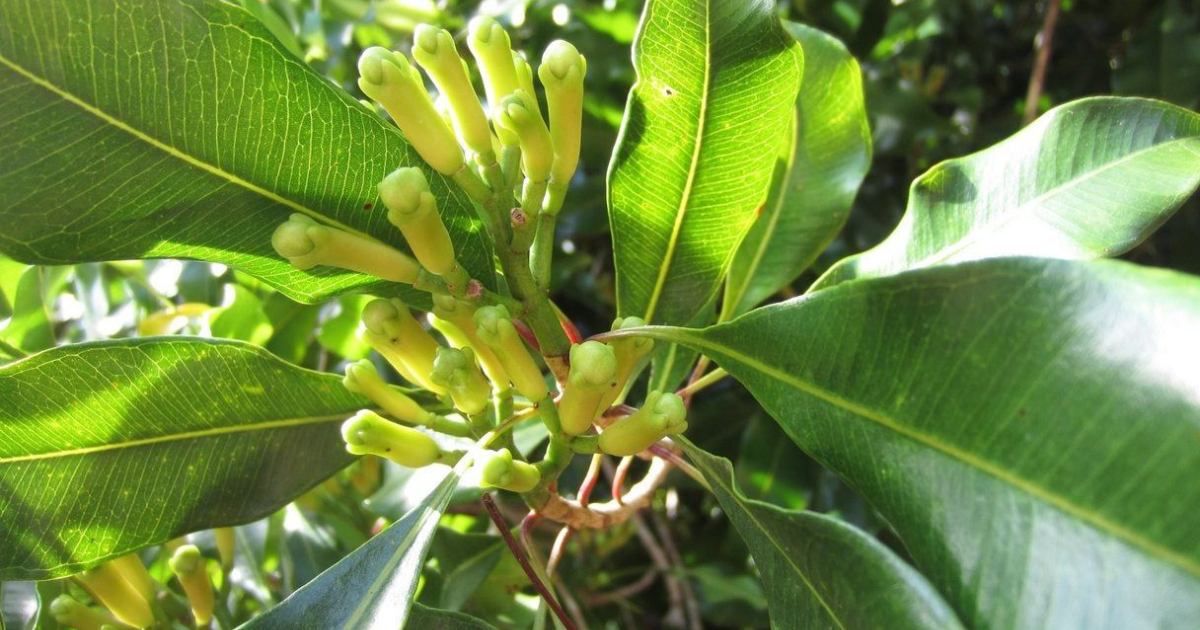
Cloves are best known as a fragrant kitchen spice, but few people realize they come from an evergreen tropical tree that can be grown at home with patience and the right conditions. While clove trees are slow growers, starting one yourself can be a rewarding long-term project, especially for gardeners interested in exotic or edible plants.
This guide explains how to grow a clove tree at home, what conditions it requires, common mistakes to avoid, and what to realistically expect from this plant over time.
Primary keyword: grow a clove tree at home
Understanding the Clove Tree
Cloves come from Syzygium aromaticum, a tropical evergreen tree native to Southeast Asia. The spice itself is the dried, unopened flower bud of the tree. In its natural environment, a clove tree can reach significant heights and live for decades.
When grown at home, especially in containers, the tree remains much smaller and easier to manage. While harvesting cloves takes several years, many gardeners grow clove trees primarily for their ornamental value, glossy leaves, and aromatic presence.
Can You Really Grow a Clove Tree at Home
Yes, it is possible to grow a clove tree at home, but success depends on realistic expectations. Clove trees require warm temperatures, high humidity, and consistent care. They are not fast or forgiving plants, but with patience, they can thrive indoors or in protected outdoor spaces.
Clove trees are best suited for:
- Warm, tropical, or subtropical climates
- Indoor growing with bright, indirect light
- Gardeners comfortable with long-term plant care
Choosing the Right Cloves for Planting
Not all cloves will sprout. Most cloves sold in grocery stores are dried for culinary use, which reduces germination success. However, whole, intact cloves sometimes still sprout if they are fresh and untreated.
When selecting cloves:
- Choose whole, unbroken cloves
- Avoid powdered or cracked cloves
- Look for cloves with a visible bud tip
- Avoid cloves that are overly dry or brittle
Freshness is critical, as cloves lose viability quickly once fully dried.
Preparing Cloves for Germination
Cloves need warmth and moisture to sprout. Before planting, gentle preparation improves success.
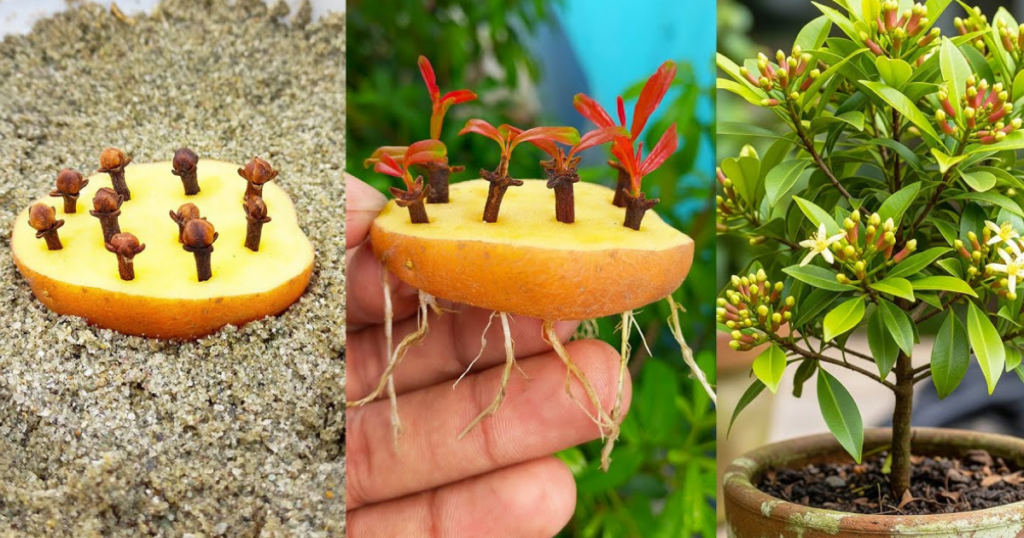
Some gardeners use a moisture-holding medium to encourage early root development. A piece of potato or damp organic material can help maintain consistent moisture around the clove during this stage.
Place cloves:
- In a warm, humid environment
- Out of direct sunlight
- In consistently moist, not wet, conditions
Sprouting can take several weeks, and patience is essential.
Planting Sprouted Cloves
Once roots or a small shoot appear, the clove can be planted in soil.
Choosing the Right Container
Use a deep pot with drainage holes. Clove trees develop a taproot, so shallow containers restrict growth.
A pot that allows gradual up-potting over time is ideal.
Soil Requirements
Clove trees prefer:
- Loose, well-draining soil
- Rich organic matter
- Slightly acidic conditions
A mix of garden soil, compost, and sand or perlite works well.
Planting Technique
Plant the clove just below the soil surface with the sprout facing upward. Cover lightly and water gently.
Avoid compacting the soil too firmly, as roots need airflow.
Light and Temperature Needs
Clove trees are tropical plants that thrive in warmth.
Ideal conditions include:
- Temperatures between 70°F and 85°F
- Bright, indirect light
- Protection from cold drafts
Direct sunlight can scorch young plants, so filtered light is best, especially during early growth.
Watering a Clove Tree Correctly
Watering is one of the most important aspects of clove tree care.
Clove trees prefer:
- Consistently moist soil
- No standing water
- Good drainage
Water when the top layer of soil feels slightly dry. Overwatering can cause root rot, while underwatering slows growth.
Humidity is equally important. In dry indoor environments, misting or using a humidity tray can help.
Fertilizing for Healthy Growth
Clove trees benefit from light feeding during active growth.
Use:
- Organic compost
- Balanced liquid fertilizer diluted to half strength
Avoid over-fertilizing, as excess nutrients can damage young roots.
Growth Rate and What to Expect
Clove trees grow slowly, especially during the first few years. This is normal.
Typical growth timeline:
- Germination: several weeks to months
- Seedling stage: 1–2 years
- Mature growth: 5+ years
- Flowering and clove production: 6–10 years
Many home growers never reach harvest stage, but the tree remains attractive and aromatic.
Pruning and Size Control
In pots, clove trees stay smaller than in nature. Light pruning helps maintain shape and encourages branching.
Prune only:
- Dead or damaged growth
- Excessively long shoots
Avoid heavy pruning, especially in young plants.
Common Problems and How to Avoid Them
Root Rot
Caused by poor drainage or overwatering. Always use pots with drainage holes.
Leaf Yellowing
Often due to excess water, nutrient imbalance, or cold exposure.
Slow Growth
Normal for clove trees. Ensure warmth, humidity, and patience.
Is It Worth Growing Your Own Clove Tree
Growing a clove tree at home is not about quick results. It is a long-term gardening project that rewards patience and curiosity rather than immediate harvest.
For gardeners who enjoy rare plants, tropical species, or sustainable living, growing a clove tree can be deeply satisfying.
Frequently Asked Questions
Can cloves from the grocery store grow into a tree
Sometimes, but success depends on freshness and whether the cloves were treated.
How long does it take for a clove tree to produce cloves
Typically six to ten years under ideal conditions.
Can a clove tree grow indoors
Yes, with sufficient warmth, humidity, and indirect light.
Does a clove tree need full sun
No, bright indirect light is best, especially indoors.
Is a clove tree hard to maintain
It requires consistent care and patience but is manageable with the right conditions.
Internal Linking Suggestions
From secretsofthegreengarden.com, consider linking to:
- How to Grow Tropical Plants Indoors Successfully
- Spice Plants You Can Grow at Home
- Slow-Growing Edible Trees Worth the Wait
External High-Authority Sources
For further horticultural and botanical information:
- Royal Botanic Gardens, Kew – tropical tree cultivation
- University of Florida IFAS Extension – tropical plant care
- Food and Agriculture Organization of the United Nations – spice crop information
Final Thoughts
Growing a clove tree at home is a lesson in patience and care. While it may take years to reach maturity, the process itself offers a deeper connection to the spices we often take for granted. With warmth, moisture, and time, a simple kitchen clove can become a living tropical tree that brings beauty, fragrance, and a sense of accomplishment to your home garden.
For gardeners willing to think long term, the clove tree is proof that some of the most rewarding plants grow slowly.