
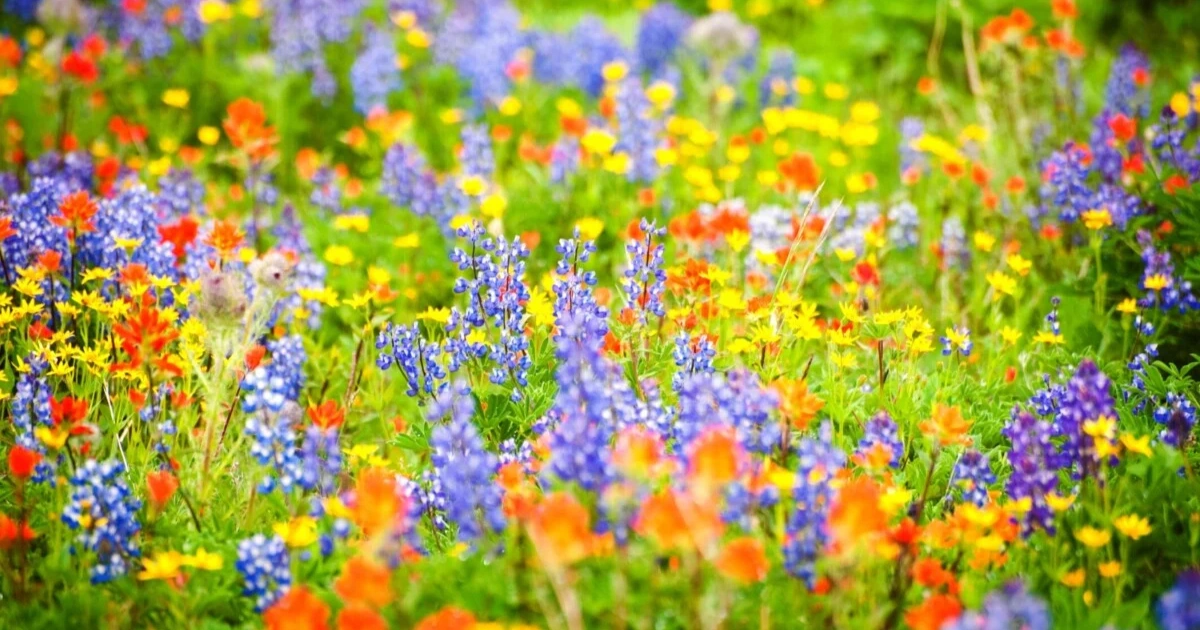
Transforming a bare patch of soil into a vibrant, blooming space does not require expensive materials or complex techniques. One of the most effective and sustainable methods is using newspaper as a base layer to create a wildflower garden. This approach is simple, affordable, and highly effective for suppressing weeds while enriching the soil naturally.
In this guide, you will learn exactly how to build a newspaper wildflower garden step by step, along with expert tips to ensure long-lasting results.
What Is a Newspaper Wildflower Garden?
A newspaper wildflower garden is a planting method that uses layers of biodegradable paper to block weeds and prepare the soil for seed growth. The newspaper acts as a natural barrier, preventing unwanted plants from competing with your wildflowers.
Over time, the paper decomposes and improves soil structure, making it an ideal technique for gardeners who want a low-maintenance and eco-conscious solution.
Why Use Newspaper for Gardening?
Using newspaper in your garden offers several advantages beyond simplicity.
Natural Weed Suppression
The thick layers of paper block sunlight, preventing weed seeds from germinating. This reduces the need for chemical herbicides.
Soil Improvement
As the newspaper breaks down, it adds organic matter to the soil, improving moisture retention and soil health.
Cost-Effective and Sustainable
Newspapers are widely available and biodegradable, making them a practical alternative to synthetic weed barriers.
Water Retention
The layered system helps retain moisture in the soil, which is especially useful in warmer climates or dry seasons.
Step-by-Step Guide to Creating a Newspaper Wildflower Garden
1. Prepare the Area
Choose a sunny location where wildflowers can thrive. Remove large weeds, rocks, or debris, but do not worry about completely clearing the soil.
Lightly water the ground before laying the newspaper to help it stick and begin breaking down.
2. Lay the Newspaper
Spread several sheets of newspaper directly over the soil, overlapping the edges to prevent gaps.
- Use 5 to 10 layers for effective weed control
- Avoid glossy or colored pages
- Wet the newspaper as you lay it to keep it in place
This layer forms the foundation of your wildflower garden.
3. Add Mulch on Top
Cover the newspaper with a layer of organic mulch such as compost, straw, or wood chips.
Recommended thickness:
- 2 to 5 cm for seed-friendly coverage
Mulch helps retain moisture and provides nutrients as it decomposes.
4. Sow Wildflower Seeds
Scatter a mix of wildflower seeds evenly across the mulched surface.
For best results:
- Choose native wildflower species
- Press seeds lightly into the mulch
- Avoid burying them too deeply
Native plants adapt better to local conditions and require less maintenance.
5. Water and Maintain
Water gently after planting and keep the soil moist during the first few weeks.
Once established:
- Reduce watering frequency
- Allow natural rainfall to support growth
Within a few weeks, you should start seeing sprouts, followed by blooms shortly after.
Best Wildflowers for This Method
Choosing the right seeds can make a significant difference in the success of your garden.
Popular options include:
- Cornflowers
- California poppies
- Black-eyed Susans
- Cosmos
- Zinnias
Mixing different varieties ensures continuous blooms and attracts pollinators.
Common Mistakes to Avoid
Even though this method is simple, a few mistakes can reduce its effectiveness.
- Using too few layers of newspaper
- Leaving gaps where weeds can grow
- Applying mulch that is too thick or too thin
- Choosing non-adapted plant species
- Overwatering after seeds have established
Paying attention to these details ensures better results.
Seasonal Tips for Better Results
Spring Planting
Ideal for most climates. Seeds germinate quickly, and flowers bloom in early summer.
Fall Planting
Works well in mild climates. Seeds remain dormant and sprout naturally in spring.
Summer Care
Maintain light watering during hot periods and remove aggressive weeds if needed.
Internal Linking Suggestions
To strengthen your gardening strategy, consider linking this article to related content on secretsofthegreengarden.com such as:
- How to Create a Low-Maintenance Garden Naturally
- Best Mulching Techniques for Healthy Soil
- Beginner’s Guide to Growing Native Plants
These topics complement the newspaper gardening method and enhance user engagement.
External Resources for Reliable Information
For scientifically accurate and practical guidance, refer to:
- University of Minnesota Extension – Sheet Mulching Basics
https://extension.umn.edu - Royal Horticultural Society – Wildflower Meadow Advice
https://www.rhs.org.uk - Xerces Society – Pollinator Habitat Guidelines
https://www.xerces.org
These sources provide trusted, research-based recommendations for sustainable gardening.
FAQ: Newspaper Wildflower Gardening
How long does newspaper take to decompose?
Newspaper typically decomposes within a few months, depending on moisture and soil conditions.
Can I use cardboard instead of newspaper?
Yes, cardboard can be used as a thicker alternative, but it may take longer to break down.
Do I need to remove grass before laying newspaper?
No, the newspaper layer will naturally suppress existing grass and weeds over time.
How often should I water wildflowers?
Water regularly during germination. Once established, most wildflowers require minimal watering.
Will this method attract pollinators?
Yes, wildflowers naturally attract bees, butterflies, and other beneficial insects, improving biodiversity.
Conclusion
Creating a newspaper wildflower garden is one of the simplest and most effective ways to transform an unused space into a vibrant, pollinator-friendly area. With minimal effort and cost, you can suppress weeds, improve soil health, and enjoy a colorful display of flowers within weeks.
By following this method and choosing the right plants, you not only enhance your garden’s beauty but also contribute to a healthier ecosystem.