
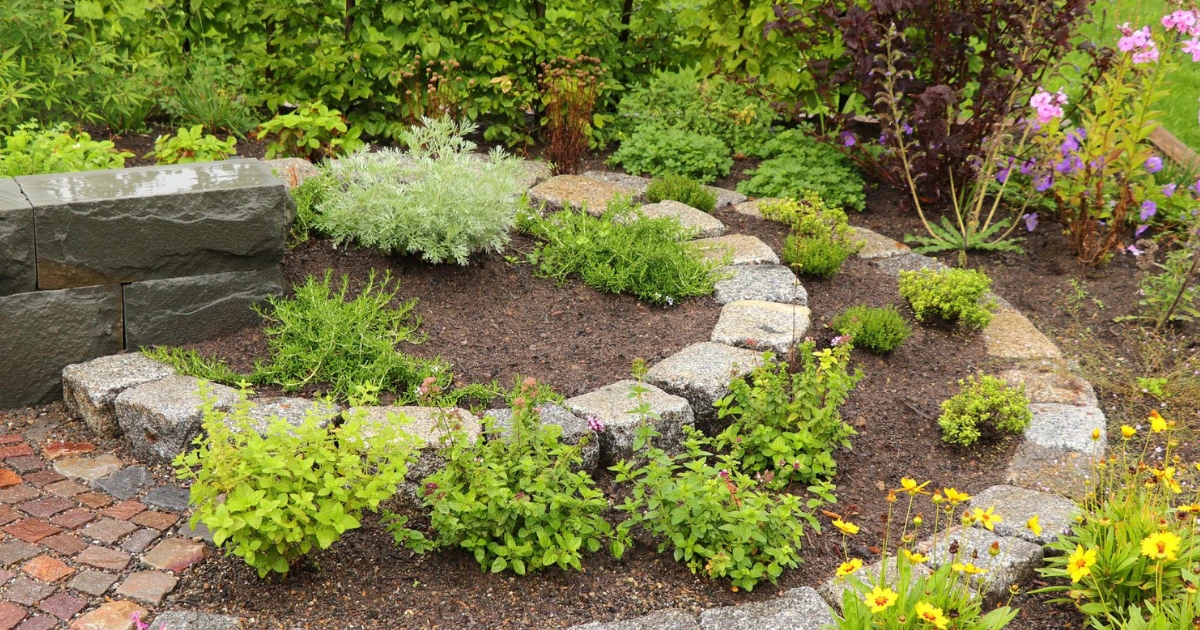
An herb spiral is a vertical, spiral-shaped garden bed designed to maximize space, improve drainage, and create a microclimate that supports a wide variety of herbs. This design is popular in permaculture and small gardens because it allows multiple herbs with differing water and sun requirements to grow together efficiently.
Benefits of an Herb Spiral
- Space Efficiency: The spiral structure provides more planting area within a small footprint, often under 2 meters in diameter.
- Microclimates: Different levels of the spiral create zones with varying moisture and sunlight exposure. Taller, sun-loving herbs occupy the center, while moisture-loving herbs grow at the base.
- Water Conservation: The elevated center allows water to trickle down naturally, reducing irrigation needs.
- Accessibility: Herbs are easy to reach without bending over extensively, making harvesting more convenient.
- Aesthetic Appeal: The spiral is visually striking and can become a focal point in any garden.
Planning Your Herb Spiral
- Location: Choose a sunny area for maximum growth. Consider prevailing winds and access to water.
- Materials: Natural stone, bricks, or wood can be used to create the spiral walls.
- Height: The center typically reaches around 80 cm for optimal drainage and microclimate creation.
- Diameter: A 2-meter diameter is sufficient for most home gardens while providing space for multiple herbs.
Common Herbs and Placement
Herbs can be arranged according to their water and sunlight needs:
- Top of the spiral: Rosemary, thyme, lavender, oregano, sage (sun-loving, well-drained soil).
- Middle levels: Basil, chives, chamomile, tarragon, tarragon, parsley (moderate water and sun).
- Base of the spiral: Mint, lemon balm, anise, and other moisture-loving herbs.
- Optional companion flowers: Nasturtium or calendula can add color and attract pollinators.
Step-by-Step Construction
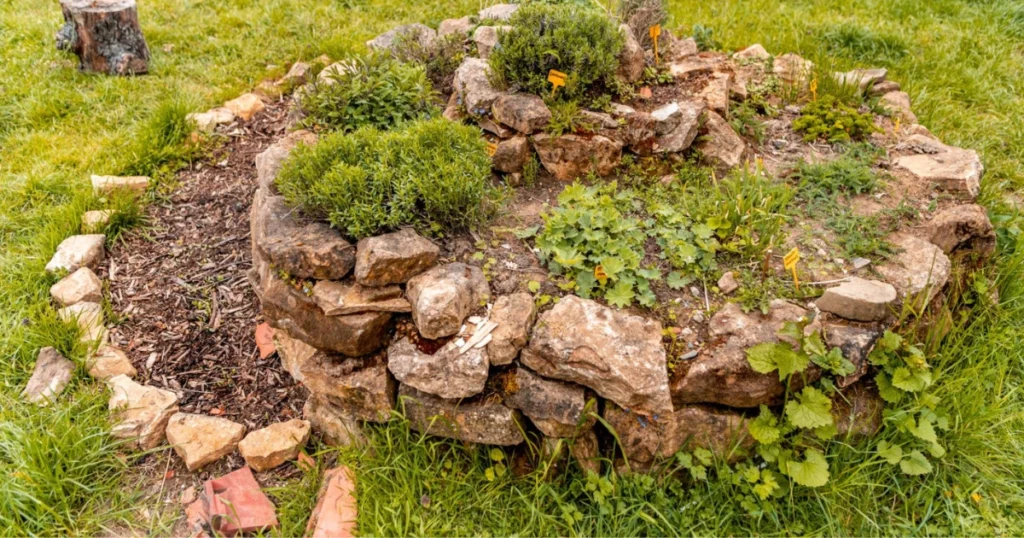
- Mark the spiral shape on the ground with stakes and string.
- Build the base layer using stones or bricks, forming the outer spiral wall.
- Add soil gradually, building up the spiral as you go.
- Plant herbs according to their preferred sun and water requirements.
- Mulch and water the herbs to establish roots.
Maintenance Tips
- Water the base regularly; the top will generally receive enough drainage water.
- Prune herbs to encourage healthy growth and prevent overcrowding.
- Rotate or replace herbs seasonally to maintain soil health.
- Add compost or organic fertilizer periodically to maintain nutrient-rich soil.
Advantages in Permaculture
Herb spirals are an excellent example of permaculture design because they:
- Maximize biodiversity in a small area.
- Mimic natural patterns for efficient water and nutrient use.
- Reduce maintenance while increasing yield and variety.
FAQ
Can I make an herb spiral in a small backyard?
Yes, even a 1.5–2 meter diameter spiral can host a variety of herbs effectively.
Do I need a water source nearby?
It helps for the initial establishment, but the spiral design reduces the need for frequent watering once mature.
Which herbs are best for beginners?
Mint, basil, rosemary, and thyme are easy to grow and maintain.
Can I use wood instead of stones?
Yes, but stones provide better durability and natural drainage.
How long before the spiral is fully productive?
Most herbs will establish within 1–2 growing seasons, but some perennials like rosemary and thyme may take longer to reach full size.
Primary keyword: herb spiral
Related keywords: spiral herb garden, permaculture herb spiral, vertical herb bed, companion planting herbs, raised herb spiral, small garden herb layout, microclimate gardening, space-saving herb garden