
Bumblebees play a vital role in pollination, which helps to support plant growth, biodiversity, and food production. These busy little pollinators are essential to both wild ecosystems and agricultural systems. While bees can be found in many places, creating a safe and inviting space for them can help support their populations. Building a bumblebee nest is a simple, eco-friendly project that can be accomplished with minimal materials and effort.
Here’s an informative guide on how to build a bumblebee nest in your garden:
Why Build a Bumblebee Nest?
Bumblebees need safe, sheltered environments to thrive, especially as they prepare for hibernation during the colder months. Building a bumblebee nest provides a quiet, protected place for them to nest and rest. Not only does this support local pollinators, but it also encourages a healthy garden by attracting these helpful creatures. Bumblebees help in pollinating fruits, vegetables, and flowers, improving crop yields and garden health.
What You’ll Need to Build a Bumblebee Nest
You don’t need complicated tools or materials to create a bumblebee-friendly nest. Here’s what you’ll need:
- An upturned plant pot (preferably terracotta or clay)
- Straw, dried leaves, or other nesting materials
- Pebbles or stones for extra protection
- A piece of hosepipe to create an entrance tunnel
- A shady location in your garden or yard
These simple items can be put together to create a cozy and inviting home for bumblebees.
Step-by-Step Guide to Building the Nest
1. Choose the Right Spot
Begin by selecting a shady area of your garden or yard, preferably in a quiet, undisturbed corner. Bumblebees are sensitive to noise and activity, so a peaceful location will attract them. Avoid areas that are heavily trafficked by people or pets, as this will deter the bees.
2. Prepare the Plant Pot
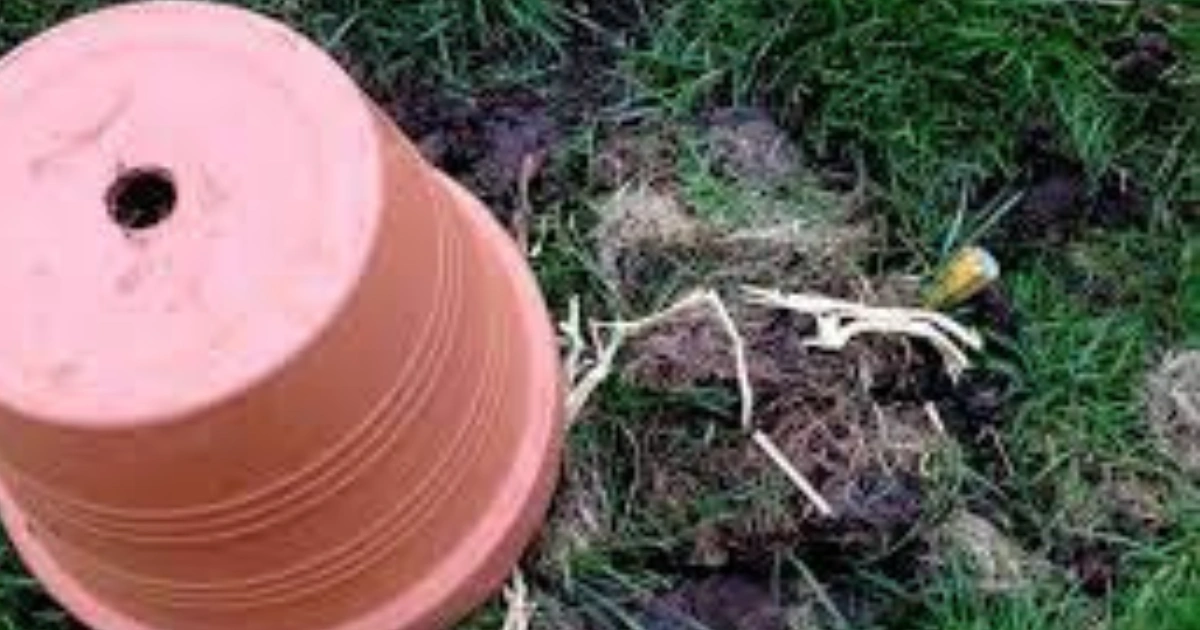
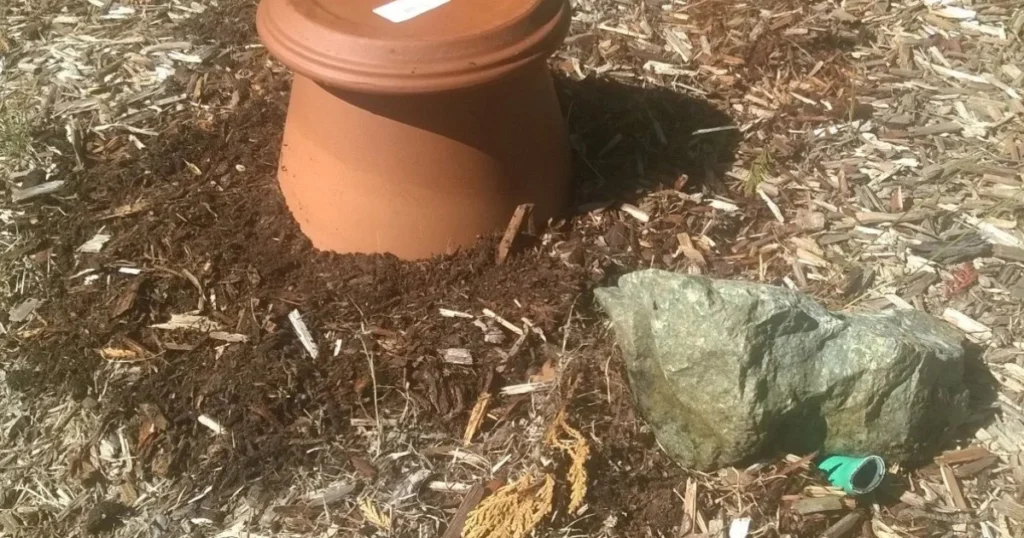
Take an upturned plant pot and partially bury it in the ground. The pot should be placed at a slight angle, with the opening facing the ground. This arrangement allows bees to enter and exit through the opening, while the plant pot will provide insulation and shelter from predators and harsh weather conditions.
3. Fill the Pot with Nesting Material
Next, fill the pot with soft, comfortable nesting material. Bumblebees like to nest in cozy, dry environments, so use materials such as straw, dried leaves, and small twigs to line the pot. These materials mimic the natural nesting environments bumblebees seek out in the wild. You can even collect fallen leaves or grasses from your garden to make the nest more appealing to bees.
4. Add Pebbles Around the Entrance
Once the nesting material is inside the pot, place a few small pebbles or stones around the entrance. This serves two purposes: it will help to camouflage the entrance and provide some protection from other wildlife, such as small mammals, who might try to disturb the nest.
5. Create the Entrance Tunnel
To create an entrance tunnel, take a piece of hosepipe and place it inside the plant pot. The hosepipe should bend upward, extending from the entrance hole to the outside of the pot. The hosepipe will serve as the tunnel through which the bumblebees can enter and exit the nest. Be sure that the tunnel is wide enough for the bees to pass through comfortably.
6. Secure the Nest
Ensure that the pot is stable and well-positioned. The entrance should be clear of any obstructions, such as tall grass or debris, so the bumblebees can easily find their way in and out. You can place a large rock or stone on top of the pot to help secure it in place and protect it from strong winds.
Tips for Creating the Perfect Bumblebee Nest
- Location is key: Make sure the nest is placed in a quiet, shaded spot where bumblebees feel secure. Try not to disturb the area after setting up the nest.
- Use natural materials: Bumblebees are attracted to natural materials, so try to avoid using synthetic items that could potentially harm them.
- Replenish nesting material: As the nesting material decomposes or gets damaged, add fresh material to ensure the nest remains comfortable and welcoming.
- Monitor for activity: After setting up the nest, keep an eye on it to see if any bumblebees come to explore. Bumblebees are attracted to dark, cool places, so they may eventually seek out your nest for hibernation or nesting purposes.
Why Supporting Bumblebees is Important
Bumblebees are crucial for maintaining the health of ecosystems. As pollinators, they help with the fertilization of plants by transferring pollen, which leads to the production of fruits, seeds, and vegetables. By building a bumblebee nest, you can contribute to the conservation of these important insects, helping them to thrive in an increasingly urbanized world.
Additionally, bumblebees are highly effective at pollinating certain crops, such as tomatoes, blueberries, and apples. Their role in agriculture cannot be overstated, as they help improve crop yields and support biodiversity.
Conclusion
Building a bumblebee nest is a simple yet rewarding way to help support local pollinator populations. By following these easy steps and providing a safe, inviting space for bumblebees, you can make a big difference in your garden while helping the environment. Not only will your garden benefit from the presence of these helpful pollinators, but you’ll also contribute to the conservation of these fascinating creatures.
Supporting bumblebees is a small but meaningful action you can take to ensure a healthier, more vibrant world for future generations. Whether you’re an experienced gardener or just starting out, creating a bumblebee nest is a great way to give back to nature while enjoying the beauty and benefits that bumblebees bring to your garden.
I’m impressed, I have to say. Really hardly ever do I encounter a weblog that’s both educative and entertaining, and let me let you know, you’ve gotten hit the nail on the head. Your concept is outstanding; the issue is one thing that not enough individuals are speaking intelligently about. I am very comfortable that I stumbled throughout this in my search for something referring to this.
Have you ever considered writing an ebook or guest authoring on other sites? I have a blog based on the same ideas you discuss and would really like to have you share some stories/information. I know my subscribers would enjoy your work. If you’re even remotely interested, feel free to send me an e-mail.
Hello my family member! I want to say that this post is awesome, nice written and come with approximately all important infos. I’d like to look extra posts like this .
berlian 888 slot login có chính sách “thưởng nóng” cho thành viên trúng lớn: CSKH sẽ gọi điện chúc mừng và tặng thêm mã khuyến mãi trị giá 100.000–500.000 VNĐ. TONY02-26H