
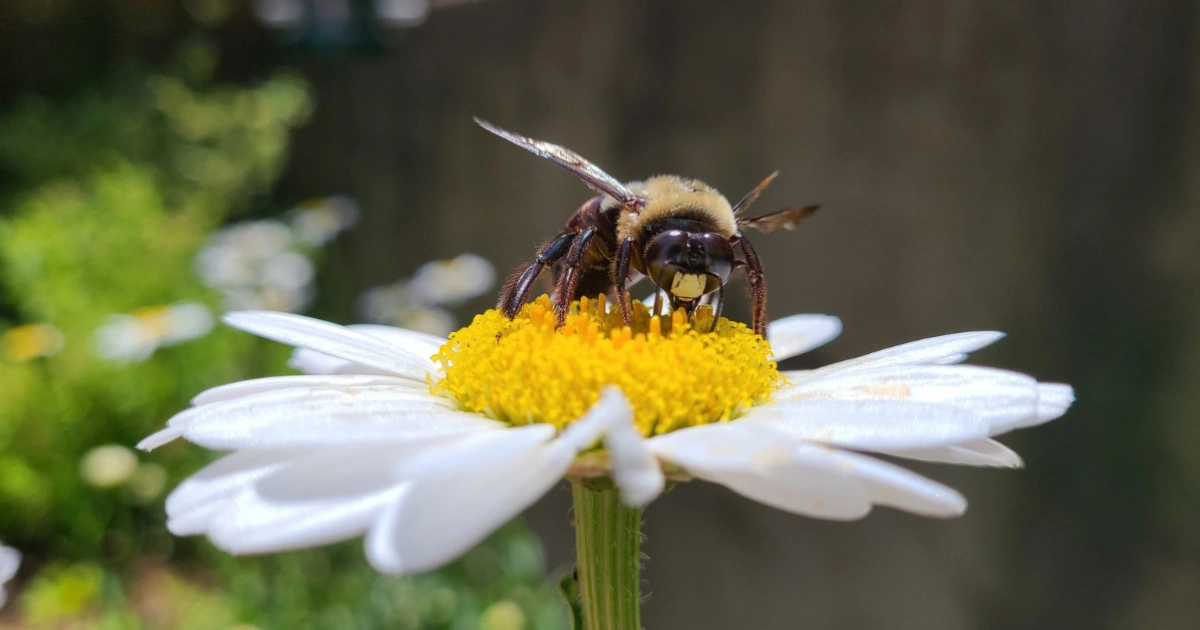
Pollinators are essential to healthy ecosystems and productive gardens. Bees, butterflies, wasps, beetles, and other insects quietly perform the work that allows plants to reproduce, fruits to form, and biodiversity to flourish. Yet many pollinator populations are under increasing pressure due to habitat loss, pesticide use, and lack of diverse flowering plants.
Learning how to be a pollinator pal is one of the most effective ways gardeners can make a positive environmental impact. By making thoughtful choices in planting, maintenance, and garden design, you can create a space that supports pollinators throughout the year while also improving the resilience and beauty of your garden.
This guide explains how to build a pollinator-friendly garden using practical, science-backed strategies that work for home gardeners of all experience levels.
Why Pollinators Matter in the Garden
Pollinators are responsible for fertilizing a significant portion of the world’s flowering plants. In gardens and agricultural systems alike, they support food production, seed formation, and plant diversity.
Key benefits of pollinators include:
- Increased yields of fruits, vegetables, and herbs
- Stronger, more resilient plant populations
- Improved ecosystem balance and natural pest control
- Support for birds and wildlife higher up the food chain
Without pollinators, many common crops and ornamental plants would struggle to survive. Supporting them at the garden level contributes to broader environmental health.
Build a Pollinator Buffet With Continuous Blooms
One of the most important steps in becoming a pollinator pal is planting flowers that provide nectar and pollen over a long season. Pollinators need reliable food sources from early spring through late autumn.
Choose Flowers That Bloom in Sequence
Aim to plant a mix of species that bloom at different times:
- Early season: crocus, hellebore, wild mustard
- Mid-season: lavender, coneflower, borage
- Late season: goldenrod, asters, sedum
This approach ensures that pollinators are not left without food during seasonal gaps.
Prioritize Nectar- and Pollen-Rich Plants
Some ornamental plants are bred mainly for appearance and offer little nutritional value. Single-flowered varieties are generally better than heavily doubled blooms because they allow easier access to nectar and pollen.
Good choices include:
- Sunflowers
- Cosmos
- Zinnias
- Phacelia
- Clover
Diversity is key. A wide range of plant shapes, colors, and sizes attracts different pollinator species.
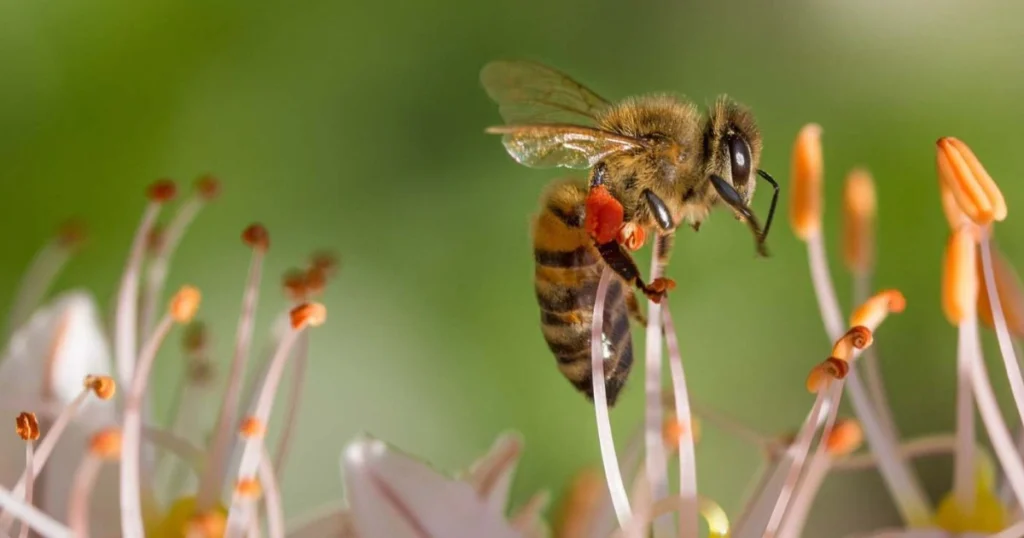
Go Native to Support Local Pollinators
Native plants have evolved alongside local pollinators, making them especially valuable food and habitat sources. When you choose native species, you are providing what pollinators recognize and need.
Benefits of Native Plants
- Better adaptation to local climate and soil
- Lower water and maintenance requirements
- Higher nectar and pollen suitability for native insects
- Increased resistance to pests and diseases
Even incorporating a portion of native plants into your garden can significantly improve its value to pollinators.
To identify native species in your area, consult local extension services or regional conservation organizations.
Avoid Pesticides and Herbicides
Chemical pesticides and herbicides are among the biggest threats to pollinators. Even products labeled as safe can have unintended effects, especially when used repeatedly or incorrectly.
Why Chemicals Harm Pollinators
- Direct toxicity from contact or ingestion
- Contamination of nectar and pollen
- Disruption of navigation and reproduction
- Reduction of beneficial insect populations
Safer Alternatives
- Hand-pull weeds instead of spraying
- Use mulch to suppress weed growth
- Encourage beneficial insects that prey on pests
- Accept minor plant damage as part of a healthy ecosystem
An organic or low-intervention gardening approach creates a safer environment for pollinators and often leads to a more balanced garden over time.
Provide Safe Water Sources
Pollinators need water not only for drinking but also for cooling their nests and aiding digestion. Natural water sources are often scarce in urban and suburban environments.
How to Create a Pollinator Water Station
- Use a shallow dish or tray
- Add pebbles or stones for landing spots
- Keep water shallow to prevent drowning
- Refill and clean regularly to avoid mosquitoes
Placing water sources in shaded or partially shaded areas helps reduce evaporation and keeps the water cooler.
Leave Some Natural “Mess” for Habitat
A perfectly tidy garden may look appealing, but it often lacks the shelter pollinators need. Many bees and beneficial insects nest in plant stems, soil, leaf litter, and fallen wood.
Simple Ways to Create Habitat
- Leave some dead flower stems standing over winter
- Allow small patches of bare soil for ground-nesting bees
- Create brush or twig piles in quiet corners
- Avoid excessive raking and clearing
These small changes provide nesting and overwintering sites that are critical for pollinator survival.
Understand and Respect Wasps
Wasps are often misunderstood, yet they play an important role in controlling garden pests and pollinating certain plants. While they can be defensive near nests, they are generally not aggressive when left undisturbed.
Benefits of Wasps in the Garden
- Natural control of aphids, caterpillars, and flies
- Pollination of specific plant species
- Contribution to overall insect diversity
If wasps choose to nest away from high-traffic areas, allowing them to remain can benefit your garden’s health and balance.
Design Your Garden for Pollinator Success
Beyond individual plants and practices, thoughtful garden design can greatly enhance pollinator activity.
Layout Tips
- Group the same plants together to make foraging efficient
- Include sunny areas, as most pollinators prefer warmth
- Provide wind protection using hedges or fences
- Avoid large expanses of lawn with no flowering plants
Even small gardens, balconies, and container setups can support pollinators when designed intentionally.
Seasonal Care for Pollinator-Friendly Gardens
Supporting pollinators is a year-round commitment.
Spring
- Delay garden cleanup to allow overwintering insects to emerge
- Plant early-blooming flowers
Summer
- Maintain watering stations
- Avoid chemical treatments during peak activity
Autumn
- Leave seed heads and stems standing
- Plant late-season nectar sources
Winter
- Preserve leaf litter and natural debris
- Plan next year’s pollinator plantings
Frequently Asked Questions
What is the best plant for attracting pollinators?
There is no single best plant. A mix of native, nectar-rich flowers that bloom across seasons is most effective.
Are wasps considered pollinators?
Yes. While bees are the most well-known, many wasp species also contribute to pollination and pest control.
Can small gardens or balconies help pollinators?
Absolutely. Containers with flowering plants, water sources, and pesticide-free care can provide valuable resources even in small spaces.
Do pollinator gardens attract more pests?
Healthy pollinator gardens often attract beneficial insects that naturally control pests, reducing long-term problems.
How long does it take to see results?
Many gardeners notice increased pollinator activity within weeks of planting diverse flowering plants.
Internal Linking Suggestions
For further reading on related topics, consider linking to these articles on secretsofthegreengarden.com:
- “Native Plants That Thrive With Minimal Water”
- “Organic Gardening Methods for Healthier Soil”
- “How Beneficial Insects Naturally Control Garden Pests”
External High-Authority Resources
For trusted, research-based information on pollinators, consult:
- The Food and Agriculture Organization of the United Nations guide on pollinators and food security: https://www.fao.org/pollination
- The United States Department of Agriculture pollinator conservation resources: https://www.usda.gov/pollinators
- University-based research from Penn State Extension on pollinator-friendly gardening: https://extension.psu.edu/pollinators
Final Thoughts
Learning how to be a pollinator pal is not about perfection. It is about making consistent, informed choices that prioritize life and balance in the garden. By planting thoughtfully, reducing chemical use, and allowing nature a little space, you create an environment where pollinators can thrive.
In return, your garden becomes more productive, resilient, and alive. Small actions, multiplied across many gardens, can make a meaningful difference for pollinators and the ecosystems that depend on them.
Hello.This article was extremely fascinating, especially since I was browsing for thoughts on this matter last Wednesday.
I have been absent for a while, but now I remember why I used to love this website. Thank you, I?¦ll try and check back more frequently. How frequently you update your website?
3D Animal Engravings create detailed crystal portraits of animals, delivering personalized, high-quality keepsakes that celebrate companionship, love, and unforgettable animal moments.
Hi there, You have performed a great job. I’ll certainly digg it and in my view suggest to my friends. I am confident they’ll be benefited from this site.
https://t.me/s/portable_1WIN
Thank you for some other fantastic post. Where else may anybody get that type of information in such a perfect approach of writing? I’ve a presentation subsequent week, and I’m at the search for such information.
Great post. I am facing a couple of these problems.