
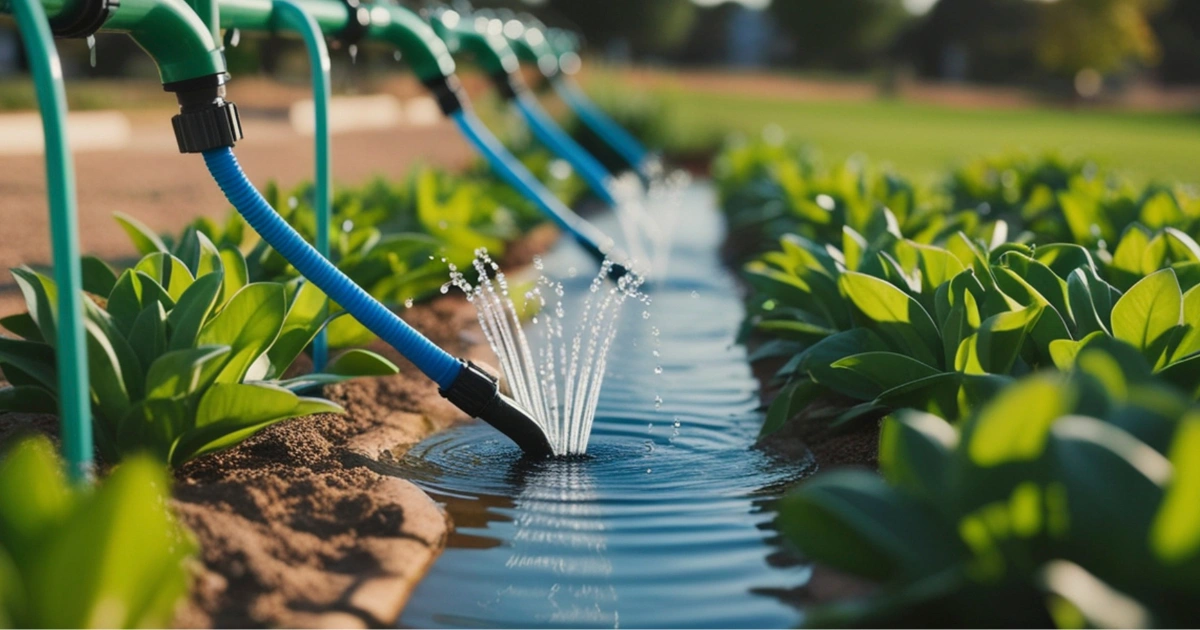
Water independence systems are becoming increasingly important for gardeners, homesteaders, and small-scale farmers seeking reliable, sustainable water access. By collecting, storing, and distributing water on-site, these systems reduce dependence on municipal supplies and improve resilience during droughts or restrictions.
This guide explains how a water independence system works, its core components, and how it supports efficient garden irrigation using harvested water.
Primary keyword: water independence system
What Is a Water Independence System
A water independence system is a setup that captures water from natural or alternative sources and stores it for later use. The most common source is rainwater collected from rooftops, but systems can also integrate wells or surface water where permitted.
The goal is to create a closed-loop system that supplies irrigation water without relying on external infrastructure.
Why Water Independence Matters
Water access is no longer guaranteed in many regions. Seasonal shortages, rising costs, and climate variability make self-sufficiency increasingly valuable.
A properly designed system helps:
- Reduce reliance on municipal water
- Lower long-term water costs
- Improve drought resilience
- Support consistent plant growth
- Promote sustainable resource use
For gardens and small farms, water independence improves reliability and control.
Core Components of a Water Independence System
Rainwater Collection
Rainwater collection typically begins at the roof. Gutters and downspouts direct rainfall into storage containers.
Key considerations include:
- Clean roof surfaces
- Leaf guards or debris filters
- First-flush diverters to remove contaminants
Effective collection maximizes usable water volume.
Storage Tanks
Collected water is stored in tanks positioned near the garden or building.
Common storage options:
- IBC totes
- Food-grade plastic tanks
- Metal cisterns
Storage capacity should match rainfall patterns and irrigation demand.
Filtration and Pre-Treatment
Before water enters the irrigation system, basic filtration removes sediment and debris.
Typical filtration includes:
- Mesh filters
- Sediment traps
- Inline screens
For irrigation use, filtration focuses on protecting emitters rather than potable quality.
Water Pump
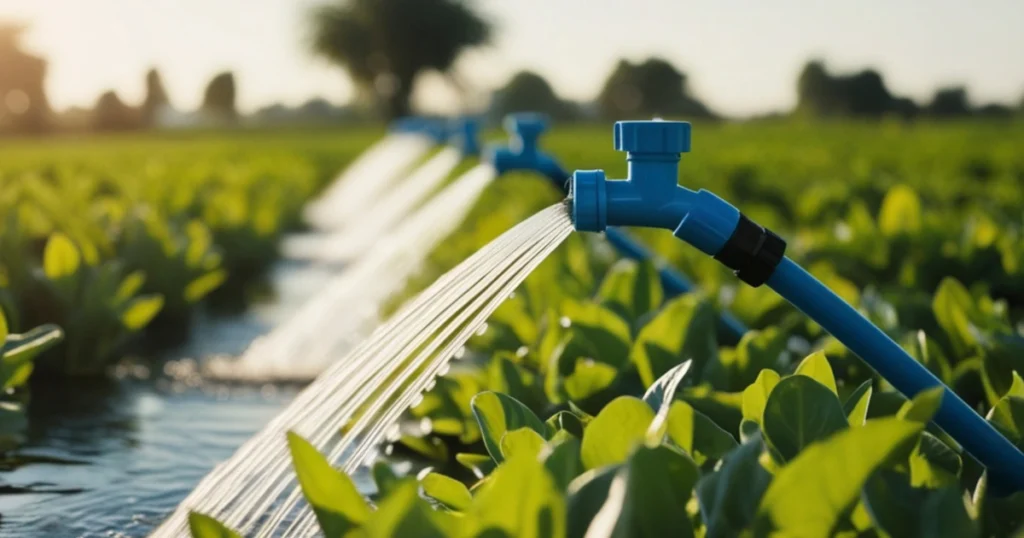
A pump moves water from storage tanks to the irrigation network. Gravity-fed systems may work for small setups, but pumps provide consistent pressure.
Pump selection depends on:
- Distance to garden beds
- Elevation changes
- Number of irrigation zones
Reliable pressure ensures even water distribution.
Valves and Flow Control
Valves regulate water flow to different areas of the garden.
Valves allow:
- Zone-specific irrigation
- Maintenance without shutting down the system
- Pressure adjustment
Proper valve placement improves efficiency and control.
Main Irrigation Line
The main irrigation line distributes water from the pump to individual beds.
This line should be:
- Durable and UV-resistant
- Properly sized for flow demand
- Installed to minimize pressure loss
It acts as the backbone of the system.
Drip Emitters and Distribution Lines
Drip irrigation delivers water directly to plant roots, minimizing waste.
Benefits include:
- Reduced evaporation
- Precise water delivery
- Improved plant health
- Lower overall water use
Drip emitters are ideal for raised beds and intensive gardens.
How the System Operates Step by Step
- Rain falls on the roof and is collected via gutters
- Water flows into storage tanks
- Filters remove debris and sediment
- A pump pressurizes the system
- Valves direct water to selected zones
- Drip emitters deliver water to plants
This process creates an efficient, low-loss irrigation cycle.
Raised Beds and Water Independence
Raised garden beds pair especially well with water independence systems.
Advantages include:
- Controlled soil moisture
- Reduced runoff
- Efficient drip layout
- Improved root development
Targeted irrigation makes better use of stored water.
Maintenance Requirements
Water independence systems require regular but manageable maintenance.
Essential tasks include:
- Cleaning filters
- Inspecting hoses and fittings
- Checking pump performance
- Monitoring tank cleanliness
- Adjusting emitters as plants grow
Routine checks prevent system failure and water loss.
Common Design Mistakes to Avoid
Avoiding basic errors improves system reliability.
Common mistakes include:
- Undersized storage tanks
- Inadequate filtration
- Poor pump sizing
- Exposed lines prone to damage
- No overflow or drainage planning
Good planning reduces long-term costs.
Legal and Safety Considerations
Rainwater harvesting regulations vary by location.
Important considerations:
- Local water collection laws
- Backflow prevention
- Mosquito control in tanks
- Structural support for heavy tanks
Always verify local requirements before installation.
FAQ: Water Independence Systems
Is a water independence system suitable for small gardens?
Yes. Even small systems with one or two tanks can significantly reduce water use.
Can rainwater be used directly for irrigation?
Yes. Rainwater is ideal for plants and typically requires minimal treatment for irrigation.
Do water independence systems work during dry seasons?
Stored water can bridge dry periods, but capacity must match demand and rainfall patterns.
Is a pump always necessary?
Not always. Gravity-fed systems can work if tanks are elevated, but pumps provide better control.
How long do storage tanks last?
High-quality tanks can last many years with proper maintenance and UV protection.
Internal Linking Suggestions
To strengthen topical authority on secretsofthegreengarden.com, link this article to related content such as:
- Rainwater Harvesting for Home Gardens
- Drip Irrigation Setup for Raised Beds
- Sustainable Garden Watering Techniques
Use anchor text that matches article titles or closely related phrases.
Final Thoughts
A water independence system transforms how gardens and small farms manage water. By combining rainwater collection, storage, and efficient irrigation, it provides resilience, sustainability, and long-term savings.
With thoughtful design and regular maintenance, such systems offer a reliable solution for growing healthy plants while reducing dependence on external water supplies.
I have been surfing online more than three hours these
days, yet I by no means found any fascinating article like yours.
It’s pretty price enough for me. In my view, if all web owners and bloggers made excellent content as you probably did, the web might
be much more useful than ever before.
нажмите здесь https://t.me/invisevpn_bot/
Lock and Love creates jewelry inspired by love and connection, perfect for special moments. Their designs include locks, keys, and heart motifs to symbolize affection. Discover their collection at https://thelockandlove.com.
The wait for the third installment of the Empyrean series is finally coming to an end, and fans of Rebecca Yarros are preparing for another emotional rollercoaster. As Violet Sorrengail faces new threats within the rider quadrant and beyond, the demand for the Onyx Storm epub has skyrocketed among digital readers. This novel promises to delve deeper into the lore of dragons and the complex politics of war. Having this book on your e-reader ensures you can dive into the action the moment it drops, regardless of where you are. Prepare yourself for sleepless nights and heart-pounding twists as the saga continues in this highly anticipated sequel that everyone is talking about. https://onyxstormepub.store/ Onyx Storm Pdf Internet Archive
Aablexema’s accessories and fashion items stand out for their originality and quality. Perfect for those who want to add personality to their look. Check out their offerings at https://theaablexema.com.
Kraken — это популярная площадка, которая привлекает внимание пользователей благодаря широкому выбору сервисов и удобному интерфейсу. Чтобы получить доступ к ресурсу, часто используются kraken зеркала, позволяющие обойти ограничения и сохранить стабильное соединение. Актуальное kraken зеркало помогает быстро попасть на платформу даже kraken z73
. Важно использовать только проверенную kraken ссылка, чтобы обезопасить свои данные и избежать мошенников. Официальный kraken сайт регулярно обновляется, обеспечивая пользователям надежность и безопасность работы.