
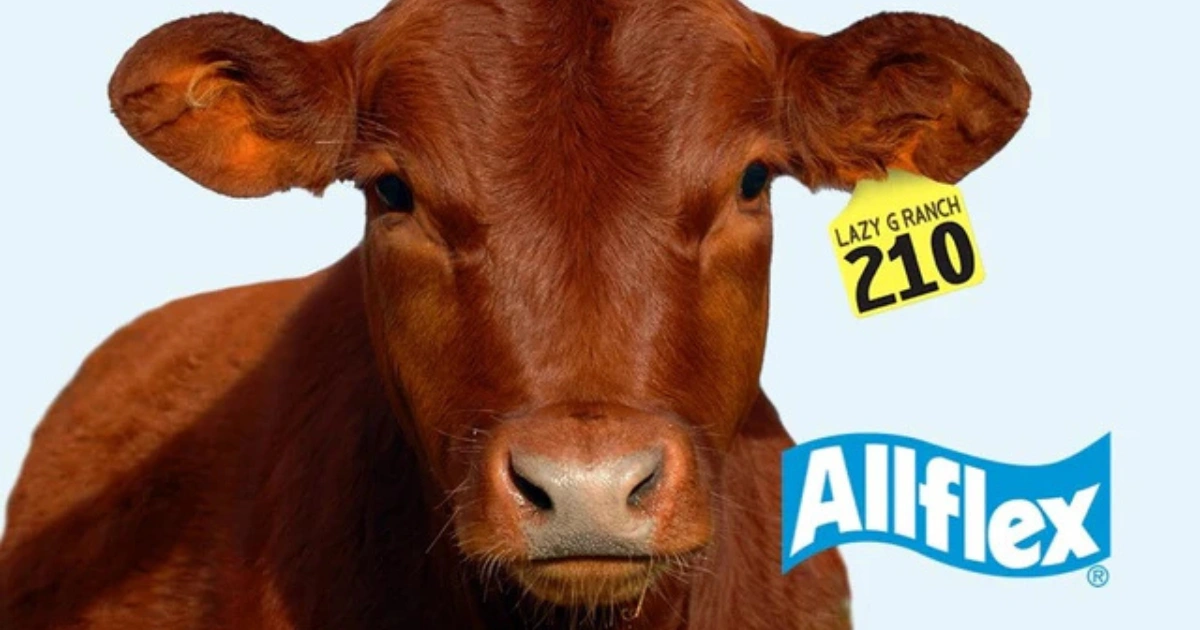
This visual explains the simple but very effective design behind cattle ear tags, a standard tool used worldwide for livestock identification and management.
The Main Parts of a Cattle Ear Tag
Plastic stud (male part)
This is the small pin that passes through the cow’s ear. Once locked into the backing, it allows the tag to rotate freely. That movement is important because it prevents constant friction and reduces the risk of tearing.
Tag panel (female part)
The larger, flat section displays the identification number. Its triangular or shield shape stays visible from multiple angles, making it easy to read from a distance.
Locking system
When applied with a tagging tool, the stud snaps permanently into the tag. It cannot be removed without cutting, which helps prevent tampering or loss.
Why the Tag Can Pivot
The rotating design is intentional. By allowing the tag to move naturally as the cow walks or shakes its head, pressure on the ear tissue is minimized. This helps reduce irritation, infection, and accidental ripping.
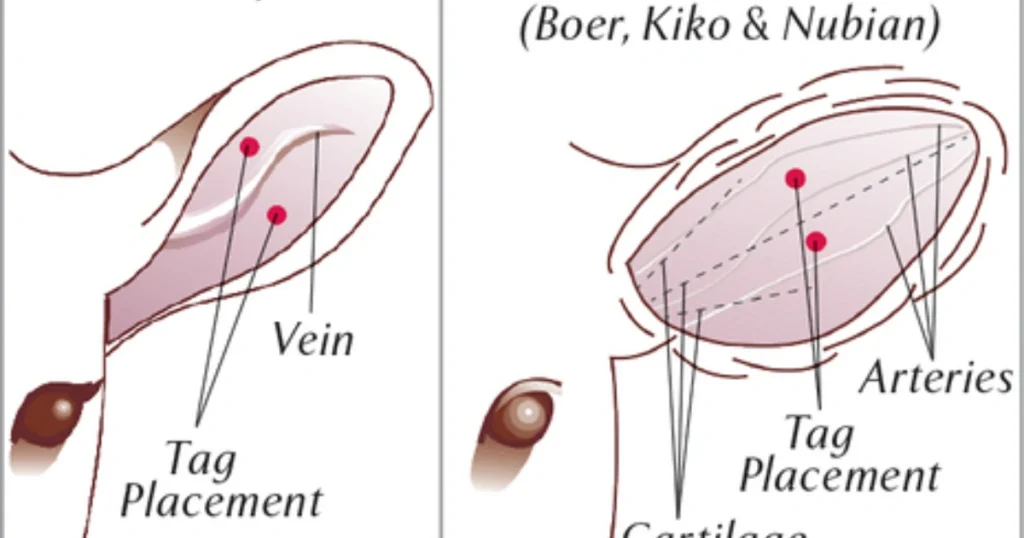
Where the Tag Is Placed
Ear tags are typically applied:
- In the middle third of the ear
- Between major blood vessels
- Avoiding the thick cartilage near the ear base
Correct placement is essential for animal comfort and long-term tag retention.
What the Numbers Mean
The number printed on the tag usually links to:
- Individual animal identification
- Birth records and lineage
- Health treatments and vaccinations
- Breeding and production data
- Traceability for food safety regulations
In many countries, ear tagging is legally required for cattle traceability.
Is Ear Tagging Painful?
When done correctly with clean equipment, tagging causes only brief discomfort similar to a quick pinch. Proper hygiene and placement greatly reduce the risk of infection or complications.
Why Ear Tags Matter
Cattle ear tags support:
- Farm organization and record keeping
- Disease control and traceability
- Breeding management
- Theft prevention
- Compliance with agricultural regulations
Key Takeaway
A cattle ear tag is a simple, durable, and animal-conscious system designed to stay visible, move naturally, and provide reliable identification throughout the animal’s life.
Hiện nay, nền tảng cung cấp đa dạng hình thức giải trí khác nhau để phù hợp với mọi nhu cầu của anh em. 188V Ngoài việc được tham gia vào các danh mục truyền thống như Casino, Thể Thao, Nổ Hũ thì bạn còn được khám phá nhiều loại hình đặc sắc mới như Đá Gà, Bắn Cá. TONY02-26H
Thank you for the sensible critique. Me & my neighbor were just preparing to do some research on this. We got a grab a book from our local library but I think I learned more clear from this post. I’m very glad to see such great information being shared freely out there.