
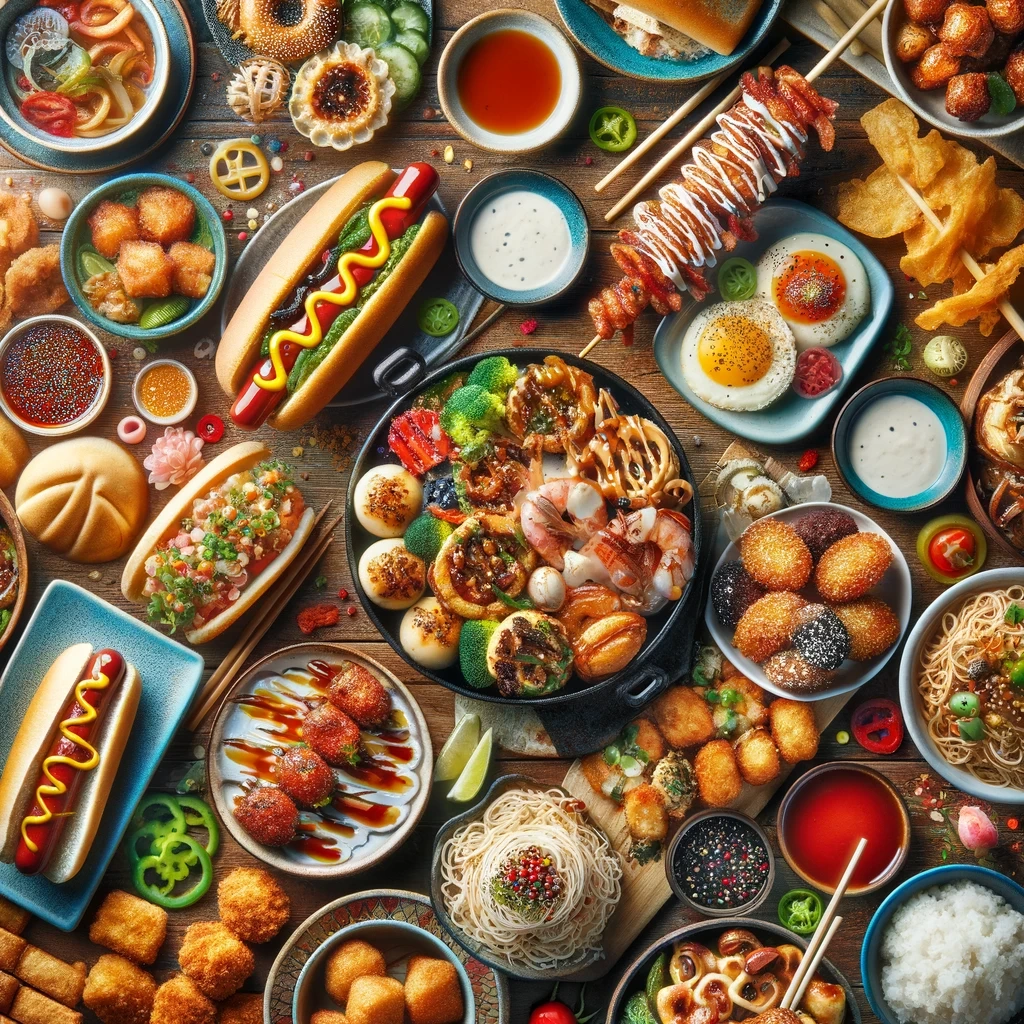
Street food is one of the most direct and flavorful ways to understand a culture. Long before restaurants and fine dining became markers of culinary identity, people gathered around carts, stalls, and open fires to eat simple, affordable meals prepared by skilled hands. Today, global street food continues to thrive, offering a living connection between tradition, community, and everyday life.
Primary keyword: global street food
Across continents, street food reflects local ingredients, climate, history, and social habits. Whether fried, baked, steamed, or grilled, these handheld snacks carry stories that have been passed down through generations. They are not just quick meals; they are cultural expressions shaped by time and place.
Why Street Food Matters in Global Food Culture
Street food exists where people live, work, and move. It adapts quickly, stays accessible, and reflects what a community values in flavor and nourishment. In many regions, street food is not a secondary option but a central part of daily eating.
The importance of global street food lies in its ability to preserve culinary heritage while remaining affordable and inclusive. It brings together people from all backgrounds, offering a shared experience that transcends language and borders.
Characteristics of Street Food Worldwide
- Prepared and served quickly
- Designed to be eaten by hand
- Based on locally available ingredients
- Rooted in tradition rather than trends
- Adaptable to modern tastes without losing identity
These qualities make street food one of the most resilient forms of cuisine in the world.
South Asian Street Food: Spice, Texture, and Balance
In South Asia, street food is known for its bold seasoning, contrasting textures, and deep use of spices. Snacks are often fried until crisp, then balanced with chutneys, herbs, and tangy sauces.
Samosas and Pakoras
Samosas are triangular pastries filled with spiced potatoes, peas, or meat, then fried until golden. Pakoras, made by coating vegetables in chickpea batter, offer a lighter but equally flavorful bite.
These snacks are commonly eaten during social gatherings, festivals, or as evening comfort food, reflecting the region’s emphasis on shared eating.
Middle Eastern Street Food: Tradition and Technique
Middle Eastern street food highlights balance and craftsmanship. Many dishes rely on ancient techniques such as grinding legumes, blending spices, and shaping fillings by hand.
Falafel and Kibbeh
Falafel, made from chickpeas or fava beans, is fried until crisp on the outside while remaining tender inside. Kibbeh combines minced meat with bulgur wheat and spices, often shaped into oval forms and fried or baked.
These foods showcase how simple ingredients can become complex through technique and seasoning.
Latin American Street Food: Comfort Wrapped in Dough
Latin American street food often centers around dough-based snacks filled with savory ingredients. These foods provide warmth, sustenance, and comfort, especially in busy urban areas.
Empanadas and Arepas
Empanadas feature folded dough filled with meat, cheese, or vegetables, then baked or fried. Arepas, made from cornmeal dough, are split and filled with proteins, cheese, or beans.
These snacks reflect indigenous traditions blended with colonial influences, forming a key part of regional identity.
East Asian Street Food: Precision and Flavor Harmony
Asian street food is known for its attention to texture, balance, and presentation. Even the simplest items reflect careful preparation and flavor layering.
Gyoza, Takoyaki, and Baozi
Gyoza are pan-fried dumplings with crisp bottoms and soft tops, filled with seasoned meat or vegetables. Takoyaki, round batter balls filled with octopus, are cooked in special pans and topped with savory sauces. Baozi are steamed buns with soft dough and rich fillings.
These foods demonstrate how street food can be both comforting and refined.
Western Street Food: Creativity and Reinvention
In Western countries, street food often reflects innovation using familiar ingredients. Many iconic snacks were created to meet the need for portable meals during work, travel, or fairs.
Corn Dogs, Scotch Eggs, and Nachos
Corn dogs combine sausage and corn batter, fried until crisp. Scotch eggs wrap boiled eggs in seasoned meat and breadcrumbs. Nachos transform tortillas, cheese, and toppings into a shared snack.
These foods show how creativity can elevate everyday ingredients into cultural symbols.
The Sensory Experience of Street Food
Street food is as much about atmosphere as it is about taste. The sound of sizzling oil, the aroma of spices, and the visual appeal of fresh cooking create a multisensory experience.
Eating street food often involves standing, walking, or sharing space with strangers. This physical closeness fosters connection and reinforces food’s role as a social bridge.
Street Food and Cultural Identity
Each street food item carries the history of the people who created it. Recipes are passed down through families, adjusted over time, and shaped by migration, trade, and climate.
Global street food tells stories of survival, celebration, and adaptation. It reflects how communities nourish themselves using what they have, turning necessity into tradition.
Street Food in the Modern World
Today, street food influences restaurants, food trucks, and global dining trends. Chefs draw inspiration from street stalls, bringing traditional flavors into modern kitchens.
Despite commercialization, authentic street food remains rooted in local communities. Its strength lies in simplicity, accessibility, and cultural continuity.
Health and Safety in Street Food
While street food is celebrated for flavor and tradition, hygiene and food safety are important considerations. Many regions now implement regulations and training to protect vendors and consumers.
Choosing freshly prepared items, observing cleanliness, and supporting reputable vendors helps maintain the sustainability of street food culture.
Frequently Asked Questions About Global Street Food
What defines street food?
Street food refers to ready-to-eat food sold in public spaces, designed to be affordable, portable, and quickly prepared.
Is street food safe to eat?
In many places, yes. Safety depends on preparation practices, cleanliness, and local regulations. Choosing busy vendors often indicates freshness.
Why is street food so popular worldwide?
Street food is popular because it is affordable, flavorful, and deeply connected to local culture. It allows people to experience authentic cuisine easily.
How does street food preserve tradition?
Many street food recipes are passed down through generations, preserving cooking techniques and flavors that might otherwise disappear.
Can street food be considered high-quality cuisine?
Absolutely. While simple, many street foods require skill, timing, and deep culinary knowledge to prepare well.
Internal Linking Suggestions (secretsofthegreengarden.com)
To strengthen topical relevance, this article can link to:
- Traditional Foods That Reflect Cultural Heritage
- How Food Connects Communities Across Cultures
- Simple Homemade Versions of Global Street Snacks
These links support themes of tradition, culture, and everyday food experiences.
**biodentex**
biodentex is a dentist-endorsed oral wellness blend crafted to help fortify gums, defend enamel, and keep your breath consistently fresh.
see this page https://jaxx-web.org/
Desarrolla una mente inquebrantable con la teoría de Let Them. Consigue el documento en español y el PDF completo. Como una montaña que no se mueve por el viento, tu mente permanecerá estable ante las críticas o acciones de otros, anclada en su propia verdad. https://lateorialetthem.top/ Dejar De Luchar Contra La Realidad
**ignitra**
ignitra is a premium, plant-based dietary supplement created to support healthy metabolism, weight management, steady energy, and balanced blood sugar as part of an overall wellness routine
I know this if off topic but I’m looking into
starting my own blog and was wondering what all is required to get setup?
I’m assuming having a blog like yours would cost
a pretty penny? I’m not very internet smart
so I’m not 100% certain. Any tips or advice would be greatly appreciated.
Thanks
Way cool! Some very valid points! I appreciate you penning this post plus the rest of the website is really good.
I was wondering if you ever considered changing the layout of your website?
Its very well written; I love what youve got to say.
But maybe you could a little more in the way of content so people could
connect with it better. Youve got an awful lot of text for only having one or 2 pictures.
Maybe you could space it out better?
**neurosharp**
neurosharp is a next-level brain and cognitive support formula created to help you stay clear-headed, improve recall, and maintain steady mental performance throughout the day.
**finessa**
Finessa is a natural supplement made to support healthy digestion, improve metabolism, and help you achieve a flatter belly.
Have you ever thought about adding a little bit more than just your articles?
I mean, what you say is valuable and all. However think of if you added some great
pictures or video clips to give your posts more, “pop”! Your content is excellent but with images and clips, this website could undeniably
be one of the best in its niche. Superb blog!
Instagram Chat Assistant – $250 a Day. Several online retailers are looking to hire additional Instagram Chat Assistants to help drive more sales through Direct Messages sent to their Instagram accounts. This is online work that can be done from anywhere, full training is provided and the pay is $250 a day. Hiring workers from all countries. Read full details here to complete your application if you are interested. You can find more info here: http://chat-assistant.advertising4you.co.uk
It’s remarkable to go to see this web site and reading the views of all colleagues about this paragraph, while I am also keen of getting experience.
I liked how the comparison tools made it easy to understand the differences between various options. The section discussing tadalafil vs sildenafil provided balanced information that helped me make a comfortable decision. Everything felt transparent and well‑organized throughout the process.
$840 per week for commenting on Youtube videos ! Have you ever commented on a Youtube video? If yes, then you can be one of the 3 candidates that we’re going to hire for this simple remote job. Here’s the story, one of our clients has an educational startup for which they created a Youtube channel as a platform to educate students. And now, they’re looking for 3 ordinary Youtube users to manage their Youtube channel. You can find more info here: http://social-media-jobs.advertising4you.co.uk
It’s truly very complicated in this busy life to listen news on Television,
so I just use world wide web for that reason, and get the
most up-to-date news.
Hello, I think your website might be having browser compatibility issues.
When I look at your blog in Firefox, it looks fine but when opening in Internet Explorer,
it has some overlapping. I just wanted to give you a quick heads up!
Other then that, wonderful blog!
What’s up, after reading this awesome paragraph i am as well cheerful
to share my familiarity here with mates.
For newest information you have to visit web and on the web I found this website as a best web page for newest updates.
You actually make it seem really easy along with your presentation but I find
this matter to be really one thing that I feel I might by no means understand.
It sort of feels too complex and very large for me.
I am looking forward to your subsequent publish, I will
try to get the dangle of it!
Good information. Lucky me I recently found your blog by chance (stumbleupon).
I’ve book marked it for later!
Hey I am so glad I found your webpage, I really found you by error,
while I was looking on Digg for something else, Anyways I am here now and would
just like to say kudos for a remarkable post and a all round enjoyable blog (I also love the
theme/design), I don’t have time to look over it all at
the minute but I have saved it and also included your RSS feeds, so when I have time I will be back
to read much more, Please do keep up the superb jo.
I could not refrain from commenting. Exceptionally well written!
These are in fact fantastic ideas in about blogging. You have touched some good things here. Any way keep up wrinting.
Helpful info. Lucky me I discovered your web site accidentally, and I am shocked
why this twist of fate did not came about in advance!
I bookmarked it.
Link exchange is nothing else except it is simply placing the other person’s website link on your page at proper place
and other person will also do similar for you.
Attractive section of content. I just stumbled upon your blog and
in accession capital to assert that I acquire in fact enjoyed account your blog
posts. Anyway I’ll be subscribing to your augment and even I achievement you
access consistently fast.
This is my first time pay a quick visit at here and
i am genuinely pleassant to read all at alone place.
You made soe decent points there. I checked oon tthe weeb tto leqrn molre abbout tthe isue andd foud most individuals will goo along witgh your vviews on this website.
Just wish to say your article is as astonishing.
The clarity in your post is just nice and i could assume you’re an expert
on this subject. Fine with your permission allow me to grab your RSS
feed to keep up to date with forthcoming post.
Thanks a million and please carry on the enjoyable work.
I enjoy what you guys tend to be up too. This sort of clever work and reporting! Keep up the excellent works guys I’ve included you guys to my own blogroll.
Hello! Someone in my Myspace group shared this site with us so I came to take a look. I’m definitely loving the information. I’m bookmarking and will be tweeting this to my followers! Fantastic blog and brilliant design.
Greetings! Very helpful advice within this post!
It’s the little changes that produce the most significant changes.
Thanks a lot for sharing!
Explore top-quality games and convenient features with pussy888 download and start playing right now!
Quick and efficient help is offered by a dedicated and professional support team.
dolly4d apk
This is a topic which is near to my heart… Best wishes! Where are your contact details though?
I am sure this article has touched all the internet people, its really really pleasant post on building up new weblog.
Experience Fume Ultra Flavors crafted for bold taste and smooth vapor. With rich aroma and balanced blends, they provide an enjoyable and long-lasting vaping session.
These are actually impressive ideas in regarding blogging.
You have touched some nice things here. Any way keep up wrinting.
Oh my goodness! Incredible article dude! Thank you, However I
am experiencing issues with your RSS. I don’t understand why
I can’t subscribe to it. Is there anybody else having the
same RSS problems? Anyone who knows the answer will you kindly respond?
Thanx!!
Undeniably believe that which you said. Your favorite justification seemed to be on the internet the easiest thing
to be aware of. I say to you, I certainly get irked while
people think about worries that they plainly don’t know
about. You managed to hit the nail upon the top and defined out the whole thing without
having side effect , people could take a signal.
Will probably be back to get more. Thanks
I’m no longer certain the place you’re getting your information, but
good topic. I must spend some time studying much more or figuring out more.
Thanks for great info I was searching for this information for my mission.
Truly no matter if someone doesn’t understand then its up to other viewers that
they will help, so here it occurs.
You actually make it seem so easy with your presentation but
I find this matter to be really something which I think I would never understand.
It seems too complicated and very broad for me.
I am looking forward for your next post, I’ll try to get the hang
of it!
You can definitely see your enthusiasm in the work you write.
The sector hopes for even more passionate writers such as you who aren’t afraid
to say how they believe. All the time follow your heart.
Hey There. I discovered your weblog the use of msn. This is an extremely neatly written article.
I’ll make sure to bookmark it and come back to read extra of your helpful information. Thank you for the post.
I will certainly return.
Quality articles is the key to invite the viewers
to go to see the site, that’s what this site is
providing.
Everyone loves what you guys are usually up too. This sort of clever work and coverage! Keep up the very good works guys I’ve included you guys to my personal blogroll.
I just couldn’t go away your website prior to suggesting that I extremely enjoyed the standard info a person supply in your visitors? Is gonna be back often in order to investigate cross-check new posts
Hello, I enjoy reading all of your post. I like to write
a little comment to support you.
$800 per week for asking questions on Quora ! As you might know, Quora is a great platform for getting answers to a variety of questions. Millions of people use it daily to search for solutions to their day-to-day problems, including from the tiniest to the most serious ones. And that’s why many companies nowadays use it to promote their brands through content marketing. They post informational content on Quora and promote their products or services related to that point. And that’s what this job is all about: http://social-media-jobs.advertising4you.co.uk
Thank you for the good writeup. It in fact was a amusement account it. Look advanced to more added agreeable from you! However, how could we communicate?
If some one wishes to be updated with newest technologies then he must be go to see this website and be up to date every day.
You made some decent points there. I checked on the web for more info about the
issue and found most people will go along with your views
on this website.
Having read this I believed it was rather informative.
I appreciate you spending some time and effort to put
this information together. I once again find myself spending a significant
amount of time both reading and commenting. But so what, it was
still worth it!
I think that what you composed was actually very logical.
However, think about this, suppose you added a little information? I am not saying your content isn’t solid, but what if you added a title that makes people desire more?
I mean Global Street Food Culture: How Handheld Snacks Tell the Story of
the World – green garden is kinda plain. You ought to peek at Yahoo’s home page and watch how they create news headlines to get people interested.
You might add a video or a picture or two to grab
readers excited about everything’ve got to say. In my opinion, it might make your website a
little livelier.
Ahaa, its pleasant discussion about this paragraph at this place at this web site, I have read all that, so now me also commenting here.
Hi there! Would you mind if I share your blog with my
twitter group? There’s a lot of folks that I think
would really enjoy your content. Please let me know.
Cheers
Hi, I do think this is an excellent website. I stumbledupon it 😉 I am going to revisit once again since I book-marked it. Money and freedom is the best way to change, may you be rich and continue to help other people.
I am sure this post has touched all the internet users, its really really nice article on building up new website.
Good day! I just would like to give you a huge thumbs up for the excellent info you’ve got right here on this post. I am coming back to your site for more soon.
I’ll immediately take hold of your rss feed as I can not to find your email subscription hyperlink or newsletter service. Do you’ve any? Please permit me understand in order that I could subscribe. Thanks.
Hi there, yeah this article is really good and I have learned lot
of things from it on the topic of blogging. thanks.
Hi there! Do you know if they make any plugins to assist with Search Engine Optimization? I’m trying to get my blog to rank for some targeted keywords but I’m not
seeing very good gains. If you know of any please share.
Cheers!
Ridiculous quest there. What occurred after? Thanks!
Appreciating the commitment you put into your site and in depth information you present.
It’s good to come across a blog every once in a while that isn’t the same outdated rehashed information. Fantastic read!
I’ve saved your site and I’m including your RSS feeds to my Google account.
I am sure this post has touched all the internet visitors, its really really pleasant piece of writing on building up new web site.
Excellent blog here! Additionally your site so much up fast!
What host are you the use of? Can I am getting your associate link for your host?
I desire my website loaded up as fast as yours lol
Pretty section of content. I just stumbled upon your weblog and in accession capital to assert that I acquire actually enjoyed account your
blog posts. Any way I will be subscribing to your feeds and even I achievement you access consistently
rapidly.
Awesome blog! Is your theme custom made or did you download it
from somewhere? A design like yours with a few simple adjustements would really make my
blog stand out. Please let me know where you got your design. Many thanks
I am sure this piece of writing has touched all the internet visitors, its really really pleasant post on building up new web site.
Pretty section of content. I just stumbled upon your blog and in accession capital to assert that I get in fact enjoyed account your blog posts.
Any way I’ll be subscribing to your augment and even I achievement
you access consistently quickly.
Instant access to millions of digital products you can brand and sell as your own 🚀 ! ✓ Expansive kids’ product collection ! ✓ Hundreds of thousands of professionally written eBooks ! ✓ Fully customizable guides and workbooks ! ✓ PowerPoint and presentation templates ! ✓ Infographics and visual templates ! ✓ High-definition logo templates ! ✓ Print-on-demand T-shirt designs ! ✓ Video editing assets and motion graphic ! ✓ Graphic design resources ! ✓ Social media content packs ! ✓ Trending digital products across multiple niches ! ✓ Business and productivity templates ! ✓ Digital art collections ! ✓ Music producer assets ! ✓ Cyberpunk-themed collections ! ✓ Advanced 3D printing files ! ✓ Planner & journal creator ! ✓ ChatGPT prompt collection ! ✓ Fitness and wellness mega bundles ! And much more to explore here : http://unlimited-ai-tools.advertising4you.co.uk
I am sure this post has touched all the internet people, its really really good article on building up new web site.
I think that is among the most important info for me. And i am satisfied reading your article.
But want to statement on some basic issues, The web site style is wonderful,
the articles is actually nice : D. Just right activity, cheers
I am sure this paragraph has touched all the internet people, its really really nice piece of writing on building up new website.
If some one wants to be updated with newest technologies afterward he must be go to see this web page and be up to date everyday.
I am sure this piece of writing has touched all the internet visitors, its really really nice article on building up new webpage.
I just could not go away your website prior to suggesting that I extremely enjoyed the usual information an individual provide for your visitors? Is going to be again steadily in order to check up on new posts
Hi, I do believe this is an excellent website. I stumbledupon it 😉 I’m going to come back yet again since I book-marked it. Money and freedom is the best way to change, may you be rich and continue to guide other people.
Hi there, I check your new stuff regularly. Your story-telling style is awesome, keep it up!
Wow, this article is nice, my sister is analyzing these kinds of things, thus I am going to convey her.
Ahaa, its fastidious discussion about this article at this place at this blog, I have read all that, so at this time me also commenting at this place.
I will right away clutch your rss as I can’t find your e-mail subscription link or e-newsletter service. Do you’ve any? Please permit me understand in order that I may subscribe. Thanks.
Wow, this article is good, my younger sister is analyzing such things, so I am
going to inform her.
Great site. Lots of useful info here. I’m sending it to several friends ans also sharing
in delicious. And naturally, thank you for your sweat!
Hey there! Quick question that’s totally off topic.
Do you know how to make your site mobile friendly?
My web site looks weird when browsing from my iphone 4. I’m trying to find a theme or plugin that
might be able to resolve this issue. If
you have any suggestions, please share. Appreciate it!
After exploring a few of the articles on your site, I
really like your way of writing a blog. I bookmarked it to my bookmark site list and will be checking back in the near future.
Please visit my website as well and tell me your opinion.