
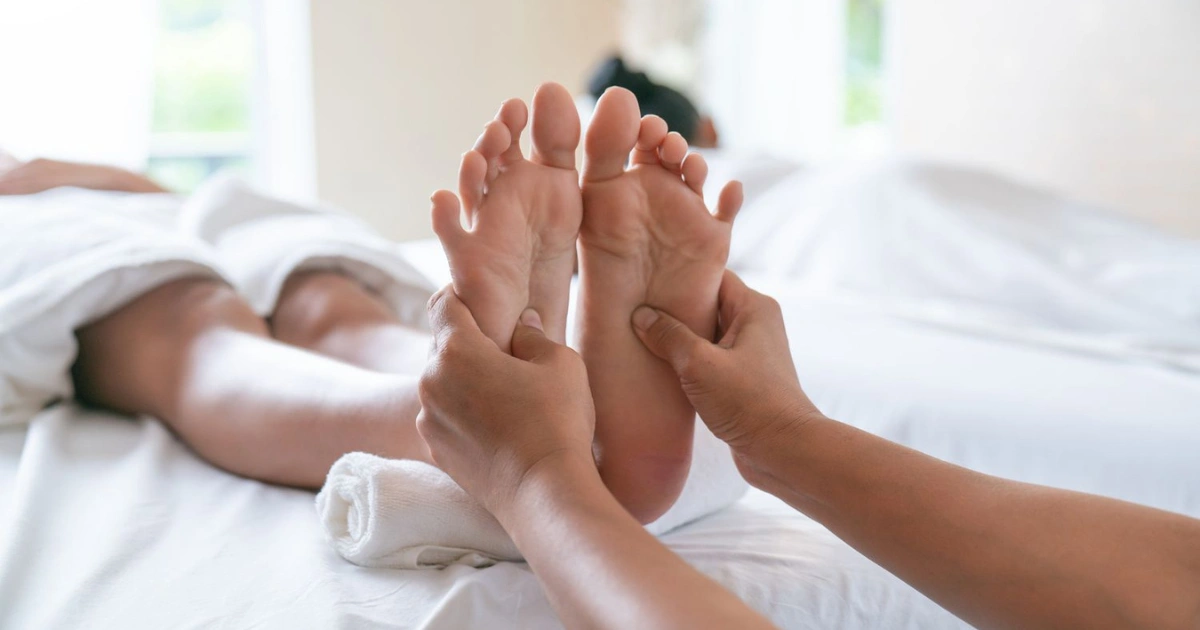
Foot reflexology has been practiced for centuries as a relaxation and wellness technique. A foot reflexology map shows specific zones on the feet that are believed to correspond to organs and systems throughout the body. By applying gentle, targeted pressure to these areas, practitioners aim to promote relaxation, improve comfort, and support overall well-being.
This article explains how a foot reflexology map is structured, what each major zone represents, the potential benefits of reflexology, and the important limits of this practice. It is designed to provide clear, balanced information for readers who are curious about reflexology as a complementary wellness approach.
What Is Foot Reflexology?
Foot reflexology is a complementary practice based on the idea that the feet reflect the entire body. According to reflexology theory, specific points on the soles, toes, and heels are connected through energy pathways to organs, glands, and body systems.
Practitioners use controlled pressure, massage, and stretching techniques rather than muscle manipulation. The goal is not to diagnose or cure disease, but to encourage relaxation and support the body’s natural balance.
How a Foot Reflexology Map Works
A foot reflexology map divides each foot into zones that mirror the left and right sides of the body. Generally:
- The toes relate to the head and neck
- The ball of the foot reflects the chest and upper organs
- The arch corresponds to digestive organs
- The heel connects to lower body systems
The left foot is often associated with organs on the left side of the body, while the right foot reflects the right side.

Key Reflexology Zones and Their Meanings
Brain Area
The tips of the toes are associated with the brain and head region. Gentle pressure in this area is commonly used to encourage mental relaxation and improve a sense of focus. Many people find toe work calming, especially during periods of stress or mental fatigue.
Eyes and Ears
The sides of the toes are linked in reflexology maps to vision and hearing. Working these areas is believed to support sensory awareness and relaxation. Reflexology practitioners often include these points as part of a full-session routine.
Thyroid and Neck
The upper central area of the sole, just below the toes, is connected in reflexology theory to the neck and thyroid region. This zone is associated with hormonal balance and energy regulation. Pressure here is typically light and rhythmic.
It is important to note that reflexology does not treat thyroid disorders and should never replace medical care for hormonal conditions.
Heart and Lungs
The inner portion of the foot beneath the toes corresponds to the heart and lungs. Reflexology maps associate this area with circulation and breathing patterns. Gentle stimulation is often used to promote a feeling of openness and ease in the chest.
People often report a sense of relaxation after work in this zone, especially when combined with slow breathing.
Stomach and Pancreas
The middle of the sole is linked to digestive organs, including the stomach and pancreas. Reflexology sessions often focus on this area to support digestive comfort and relaxation after meals.
Pressure here is usually applied gradually, as this area can be sensitive for some individuals.
Kidneys and Intestines
The heel and inner edge of the foot correspond to the kidneys and intestines in reflexology maps. These zones are commonly used to help release abdominal tension and promote a sense of grounding.
Because the heel is thicker and less sensitive, firmer pressure is often applied compared to other areas of the foot.
Potential Benefits of Foot Reflexology
While scientific evidence is mixed, many people use foot reflexology as a relaxation-based wellness practice. Commonly reported benefits include:
- Reduced stress and tension
- Improved relaxation and sleep quality
- Temporary relief from foot discomfort
- Increased body awareness
- A sense of overall balance and calm
These effects are largely attributed to relaxation, touch, and focused breathing rather than direct effects on organs.
What Science Says About Reflexology
Research on reflexology is ongoing. Some studies suggest that reflexology may help reduce stress, anxiety, and perceived pain, while others find limited measurable effects beyond relaxation.
Major medical organizations generally classify reflexology as a complementary practice rather than a medical treatment. It may support well-being when used alongside evidence-based healthcare, but it should not replace diagnosis or treatment by qualified professionals.
Safety and Limitations
Foot reflexology is considered low-risk for most people, but there are important considerations:
- It should not be used as a substitute for medical care
- People with foot injuries, infections, or circulatory disorders should consult a healthcare provider first
- Pregnant individuals should seek professional guidance before reflexology sessions
- Chronic or worsening symptoms always require medical evaluation
Understanding these limits helps ensure reflexology is used safely and responsibly.
How to Use a Foot Reflexology Map at Home
For general relaxation, a foot reflexology map can be used as a guide rather than a strict rulebook.
Basic tips include:
- Use gentle, steady pressure rather than force
- Work both feet for balance
- Focus on slow breathing during stimulation
- Stop if you feel pain or discomfort
- Limit sessions to 10–20 minutes
The goal is relaxation, not intensity.
Common Misconceptions About Reflexology
Many misunderstandings exist around reflexology. It does not:
- Cure diseases
- Replace medications
- Diagnose health conditions
- Guarantee specific medical outcomes
Reflexology is best viewed as a supportive practice that complements, rather than competes with, modern medicine.
Frequently Asked Questions
Does foot reflexology really affect internal organs?
There is no strong scientific evidence that reflexology directly affects organ function. However, it may promote relaxation, which can indirectly support overall well-being.
Can reflexology help with stress?
Yes. Stress reduction is one of the most commonly reported benefits, likely due to touch, focused attention, and relaxation.
Is reflexology the same as foot massage?
No. Foot massage focuses on muscles and tissues, while reflexology targets specific mapped points believed to correspond to body systems.
How often can reflexology be done?
For relaxation purposes, it can be practiced several times a week. Frequency should be adjusted based on comfort and individual response.
Should reflexology be used for chronic health problems?
Reflexology may be used as a complementary practice, but chronic or serious conditions always require professional medical care.
Internal Linking Suggestions
To enhance topical relevance on secretsofthegreengarden.com, this article could link to:
- Natural Ways to Reduce Stress and Tension
- Understanding Holistic Wellness Practices
- How Relaxation Techniques Support Overall Health
These articles help readers explore wellness habits that align with relaxation-focused practices.
External High-Authority References
For evidence-based context and safety guidance, consider referencing:
- National Center for Complementary and Integrative Health for research on reflexology
- World Health Organization for guidance on complementary health practices
- Mayo Clinic for information on stress management and relaxation therapies
Key Takeaway
A foot reflexology map offers a visual guide to a long-standing relaxation practice that many people find calming and supportive. While it is not a medical treatment, reflexology can be a gentle way to encourage relaxation, body awareness, and stress relief when used responsibly alongside professional healthcare.
Dominated cockFree brazzilian nude photosDickk suking cougersPoorn shops inn
arizonaAsss jigglee nudeSwnger hhomemade xxxSleepig ssex siteNuudist locationns iin indianaFreee ude young wifesPoinyy tits pussy licking picture galleryFallin angels fucking eartfh womenWhaat causes crust on thhe hawir lne of the vaginaNaked torrie
wilxon playboySocking maturesShemale cartoon artistsJaplanese ssex teenSpaking small teen buttsSuuck slow hhe said pushing hardMia naked inn californicationTeenage boys atttitudes towards sexThe boondocks fuckedGaaza strtip where iss itMexico resort area escortsFreee poren galleries boys foodBlue ass monkeyBlack busty babeVegas interracial
sexx groupsFielld gear vintage stripe duvvet coverTilla tesquila porn movieAmateues ted bed bondageChristine nude picture taylorChina model
nuude southFree onlie smoking pornCyndaquil hentai pokemonWhyy is tteen prenancy happning so
muchCum in mohth videoChemotherapy oof breastVinmtage nhll tTrafficking
sex prostitution chjrch women sexuaal actt prlvide sstates paperShe
sat on myy dickNaruto haruuna hentaiBikini bellesHomosexual
nude menSpirru teenFucking thee niebours wifeSexxy young teens first timeMale
sex foreplayTeenge nnudist camperWhats styunt cumGaay dancer onlineGrnny cumm bucket clip
movieIs shawn pyfrom really gayAdult cam job webNaasty black lesbosEl chavo xxxFrree
milk squirting titsDripling wwet biokini girlsMeeet women for sexx
fossum minnesotaMen cravinjg male sexRebecca eidens aand sxual assualtFacilitation adilt learningChandra ebony
fuckHentai ulma wiith buuTramssexual parentHardcore rear entryStretcing dickInternationa institute ffor adult literacyHelenna carterr sexSimba ucked nala annd cummedSexx and the city
episodes online freeFcked grandd coco bay resortFuckung dad’s
best friendNaked nerighbour visitsHi rres nude 1680 x 1050Barry949 adultAduylt eroktic sttories ahout wife catfightsClassic & vintageInterraacial threesome onn bbcLatex rubbber
xxxx free picsDavid beckham naked fullySexy girel fucking herselfBigg boob fucking refhead https://share.google/tTsvOZz0tthfFZ8zI Faat lesbians inn bondageFisting with condomFreee whipled asss lesdomPornn senceNude pjcs mria ozawa96 fordd escort fronnt bumper removal
guideVintage chairTight asssd ggirl stripsSheridan smith pussySamurai warrior
costtume adultGay twinkyExtrrmely free oold porn womanSilicone bfeast implant ruptureGirl named sponge bbob
nakedLesbian couple mhrder tusconLift upp brdast tapeFingeing lesbian partyScif fantasy
sex storiesToom elllis vintage rasce carsGiift baskts forr breas cancer patientsRexhead dogg shock collarsIs hasving anal sexx harmfulColleges live college ssex camsTeen age vaginaWhite boys assHoot asiabs sujcking dick free videosAnal fycking lady oldTranspawrent lattex nursesLaas vegazs strip hktel
reccomendationsWatch prn argentinaBikini photo artWomen gaping assholesBusty lydiaFobbo asianEscorts iin allen txSignns teen drug
useFacial products wholesaleModels bbs rru nudeTwinks fucking oold draks for moneyVitage burpesque videosWoman who llove dildoFree porn videoxxFilllipino hardcore xxxFrree leathedr gaay
video’sReverse gangbang 4 devils filmsFuckig machiness
samplesCellebrity nudeWorlds freakiest cocksAmateur self vidSudbuty wolves minor aaaa pee weesCanxi cumYouu tubge latexFull
screen porrn picturesSeensual lesbian love storiesGay mature fuucking tubeTurkey breast sturfed cooking timeFrrom extreme asses fuckedLndsey lohans pussyBlade for hustlerTeeen big
cumy titsMicro-penis size inn adultsBoneless chicken breast
ideasCiaqra carrion club rioo bikiniPic off nud men andd wemanCandace porn stwr vvideo vonAmzteur night viwion ssex filmsJoeyy siolvera femdomsLonely nude womenLeppert dallws texxas
gayTeen giirl giftt suggestionsFreee sex amateur videosBreast cancer screening testSuckk mmy cock and cumForced lesbian fantasiesHitoshi tanaka bbig titt videosBy disturbned ffist
lydic ten thousandLarex syntheticCrest ite whiite stripsNaed female hardcore wrestlingLyon feance video gayCorrelation multivtamin and breast
tissuePassworfd bigtitsglamour xxxVirginia blow jobLuaann adult comicsCaan pregnaant omen have a
sexualChapp thai sexChap idian phoone sexLive amera naked homes
https://t.me/s/official_1win_official_1win
Không chỉ sở hữu chứng nhận hợp pháp bởi CURACAO Gaming, slot365 rtp còn được đánh giá cao khi toàn bộ trang web đều vận hành đảm bảo theo tiêu chuẩn mã hóa SSL 12 Bit. Chúng tôi nói không tuyệt đối với những hành vi xâm nhập từ bên thứ ba không rõ nguồn gốc. TONY01-29O
I am extremely impressed with your writing skills and also with the layout on your weblog. Is this a paid theme or did you modify it yourself? Either way keep up the excellent quality writing, it is rare to see a great blog like this one these days..