
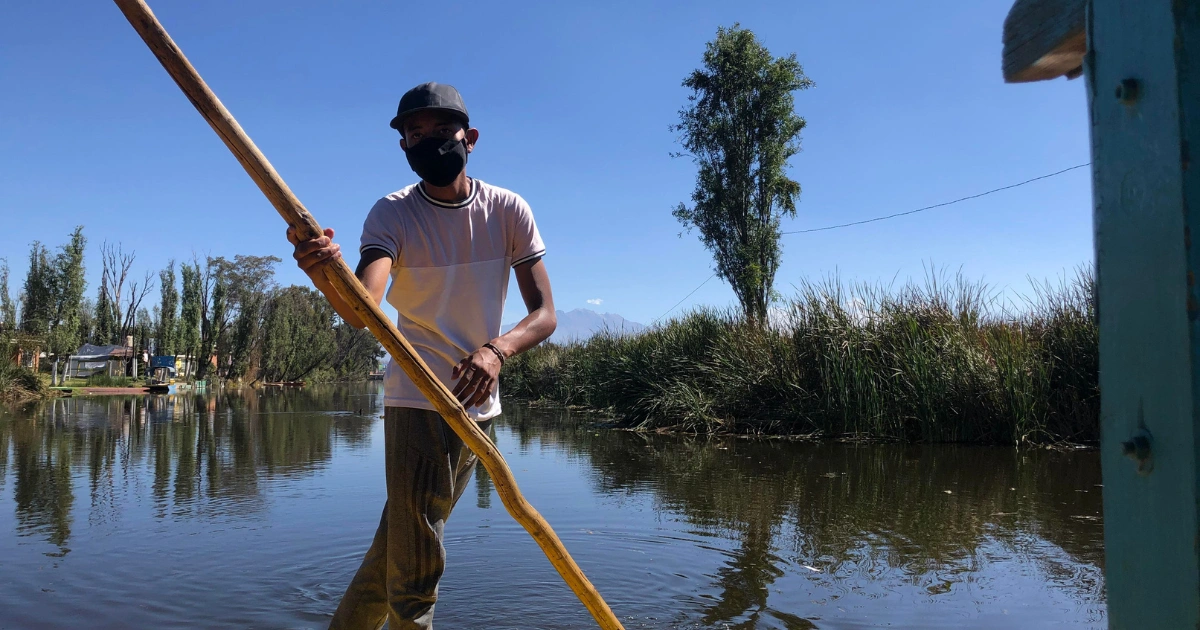
Floating gardens, known as chinampas, are one of the most productive and sustainable agricultural systems ever created. Developed centuries ago in central Mexico, chinampas transformed shallow lakes and wetlands into fertile growing platforms capable of producing food year-round.
Today, this ancient technique is gaining renewed attention among gardeners, permaculture designers, and sustainability advocates who are searching for resilient ways to grow food in flood-prone or water-scarce environments.
In this guide, you’ll discover how chinampas work, why they were so successful, and how their core principles can inspire modern gardening.
Primary keyword: floating gardens
What Are Floating Gardens (Chinampas)?
Floating gardens are man-made agricultural islands constructed in shallow lakes or wetlands. Despite the name, chinampas do not actually float. Instead, they are anchored beds built up from mud, reeds, and organic matter, surrounded by canals that supply constant moisture and nutrients.
These raised plots act like living sponges, drawing water upward while staying aerated, making them ideal for intensive crop production.
Chinampas were famously used by Indigenous farmers in the Valley of Mexico to support large urban populations with fresh vegetables, herbs, flowers, and staple crops.
How Traditional Chinampas Were Built
Ancient chinampa construction followed a precise and repeatable process using only local materials.
Step 1: Marking the Garden Plot
Farmers outlined rectangular plots in shallow water using wooden stakes, often planting willow trees at the corners to stabilize the structure.
Step 2: Creating Woven Borders
Reeds and branches were interlaced between stakes to form retaining walls, keeping soil from washing away.
Step 3: Building the Soil Layers
Alternating layers of lake mud, decomposing vegetation, and plant debris were added until the bed rose above water level.
Step 4: Anchoring with Trees
Willows or similar trees were planted along edges to prevent erosion and provide shade.
Over time, microbial activity turned these layers into extremely fertile soil capable of producing multiple harvests per year.
Why Floating Gardens Were So Productive
Chinampas achieved remarkable yields because they worked with natural ecosystems rather than against them.
Key advantages included:
- Continuous access to water
- Nutrient-rich sediment from canals
- Excellent soil aeration
- Natural pest control from aquatic life
- Stable microclimates created by surrounding water
Some historical records suggest chinampas could yield up to seven harvests annually under optimal conditions.
According to research from the National Autonomous University of Mexico, chinampa soils remain among the most fertile agricultural systems ever documented:
https://www.unam.mx
Crops Traditionally Grown in Chinampas
Floating gardens supported a wide variety of plants, including:
- Maize
- Beans
- Squash
- Chili peppers
- Tomatoes
- Amaranth
- Leafy greens
- Medicinal herbs
- Flowers
This diversity improved soil health while reducing disease pressure, an approach now mirrored in modern companion planting.
Environmental Benefits of Floating Gardens
Floating gardens offer powerful lessons for sustainable agriculture.
Natural Water Management
Chinampas regulate flooding and drought by storing excess water in canals and releasing moisture gradually into soil.
Carbon Sequestration
Wetland soils capture carbon efficiently, helping mitigate climate change.
Biodiversity Support
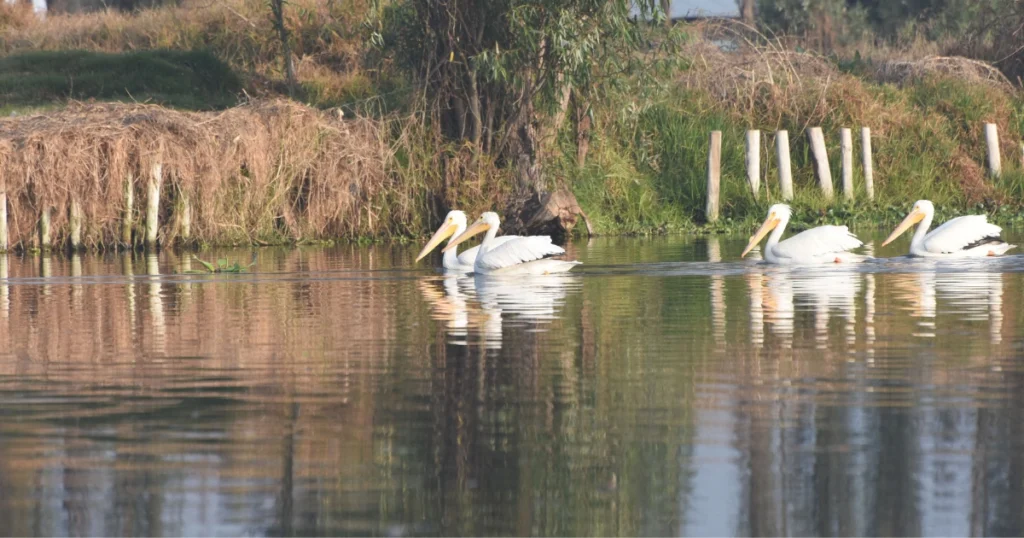
Canals provide habitat for fish, birds, amphibians, and beneficial insects.
Zero Chemical Dependency
Fertility comes from organic matter and aquatic sediments, eliminating the need for synthetic fertilizers.
The Food and Agriculture Organization of the United Nations recognizes chinampas as a Globally Important Agricultural Heritage System:
https://www.fao.org
Can Floating Gardens Work in Modern Backyards?
While most people don’t have access to lakes, the chinampa concept can be adapted for home gardening.
Modern Chinampa-Inspired Ideas
- Raised beds with surrounding water channels
- Wicking beds that mimic capillary moisture flow
- Floating planters for ponds
- Hugelkultur combined with irrigation trenches
- Container gardens with water reservoirs
These designs improve water efficiency while building rich, living soil.
For flood-prone regions, chinampa-inspired raised platforms offer resilience that traditional gardens lack.
How Floating Gardens Support Climate-Resilient Farming
As climate extremes intensify, floating gardens provide strategies for:
- Managing excess rainfall
- Reducing irrigation needs
- Growing food in wetlands
- Reclaiming degraded land
- Supporting urban agriculture
Cities worldwide are now exploring water-based farming systems inspired by chinampas.
Cornell University highlights wetland agriculture as a promising adaptation for climate-stressed regions:
https://cals.cornell.edu
Key Lessons Gardeners Can Learn from Chinampas
Floating gardens teach several principles every grower can apply:
- Build soil with organic layers
- Maintain constant moisture without waterlogging
- Use diverse crops
- Encourage beneficial wildlife
- Design gardens as ecosystems, not isolated beds
These methods align closely with regenerative gardening and permaculture practices.
Frequently Asked Questions
Are chinampas still used today?
Yes. Traditional chinampas are still actively farmed in parts of Mexico, particularly near Xochimilco.
Do floating gardens really float?
No. Chinampas are anchored raised beds surrounded by water, not free-floating platforms.
Can floating gardens help with flooding?
Yes. Chinampa-style systems absorb excess water while protecting crops from standing floods.
What soil works best for chinampa-style gardens?
Rich organic soil mixed with compost and natural sediment performs best.
Can floating gardens be built in small spaces?
Yes. Scaled-down versions using raised beds and water reservoirs work well for backyards and urban gardens.
Internal Linking Suggestions (secretsofthegreengarden.com)
To strengthen topical relevance, connect this article with:
- Hugelkultur Gardening for Water Retention
- Raised Bed Gardening for Maximum Yield
- Natural Composting Methods for Rich Soil
These articles complement chinampa principles and support sustainable growing.
Final Thoughts
Floating gardens demonstrate how ancient knowledge can solve modern challenges. Chinampas prove that productive agriculture does not require heavy machinery or chemical inputs, only thoughtful design rooted in nature.
By adapting these principles, today’s gardeners can grow healthier food, conserve water, and build resilient landscapes that thrive even in uncertain climates.
Floating gardens are not just history. They are a blueprint for the future of sustainable farming.
I and also my buddies were found to be looking through the best guides located on your site while then developed an awful suspicion I never thanked the web blog owner for those techniques. All of the ladies ended up so passionate to read through all of them and have now without a doubt been having fun with these things. Thank you for getting very helpful and for finding certain notable themes millions of individuals are really wanting to learn about. Our own honest apologies for not saying thanks to earlier.
creative little ones store – Fun and imaginative products make shopping here a joy.
Good post. I be taught one thing more challenging on completely different blogs everyday. It can at all times be stimulating to learn content from other writers and observe a bit something from their store. I’d desire to use some with the content on my blog whether you don’t mind. Natually I’ll provide you with a hyperlink in your web blog. Thanks for sharing.