
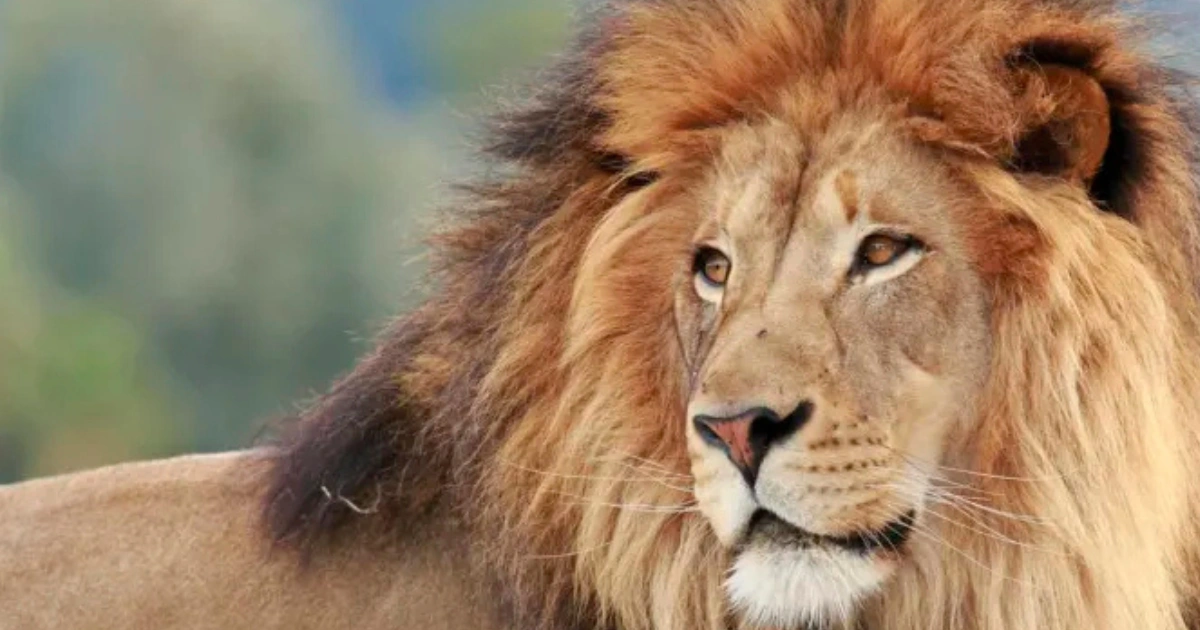
Lions are among the most iconic predators in human history, symbolizing strength, dominance, and survival. While today lions are found only in parts of Africa and a small region of India, this was not always the case. In the past, multiple lion species and subspecies roamed across Africa, Europe, Asia, and even North America. These extinct lions once dominated diverse ecosystems before disappearing due to environmental change and human impact.
This article explores the most well-known extinct lion species, explains where they lived, why they vanished, and what their disappearance teaches us about biodiversity and conservation.
Primary keyword: extinct lions
Lions Beyond Africa: A Broader Historical Range
Modern lions occupy only a fraction of their former range. Fossil evidence shows that ancient lions were once widespread across the Northern Hemisphere. During prehistoric times, lions adapted to deserts, forests, grasslands, and even icy environments.
The extinct lions discussed below were not myths or misidentifications. They are scientifically documented members of the genus Panthera, closely related to modern lions but shaped by different climates and ecological pressures.
Barbary Lion (Panthera leo leo)
The Barbary lion was one of the most famous extinct lions, native to North Africa.
Habitat and Characteristics
- Lived in the Atlas Mountains and surrounding regions
- Known for its large size and thick, dark mane
- Adapted to cooler mountainous climates
Extinction Causes
The Barbary lion declined rapidly due to:
- Habitat destruction
- Overhunting by humans
- Capture for Roman gladiatorial games
By the early 20th century, the Barbary lion was declared extinct in the wild. Some captive lions may carry partial Barbary ancestry, but the original subspecies no longer exists as a pure population.
Related terms: Barbary lion extinction, North African lions
Cape Lion (Panthera leo melanochaita)
The Cape lion lived in southern Africa and is considered an extinct regional population of lions.
Defining Traits
- Extremely dark mane extending to the belly
- Large, muscular body
- Inhabited open plains and grasslands
Why It Disappeared
European colonization played a major role in the Cape lion’s extinction. Excessive hunting, livestock protection efforts, and habitat loss led to its disappearance by the mid-19th century.
Although some scientists debate whether the Cape lion was a distinct subspecies, it remains an important example of how human expansion affected large predators.
Related terms: Cape lion history, extinct African lions
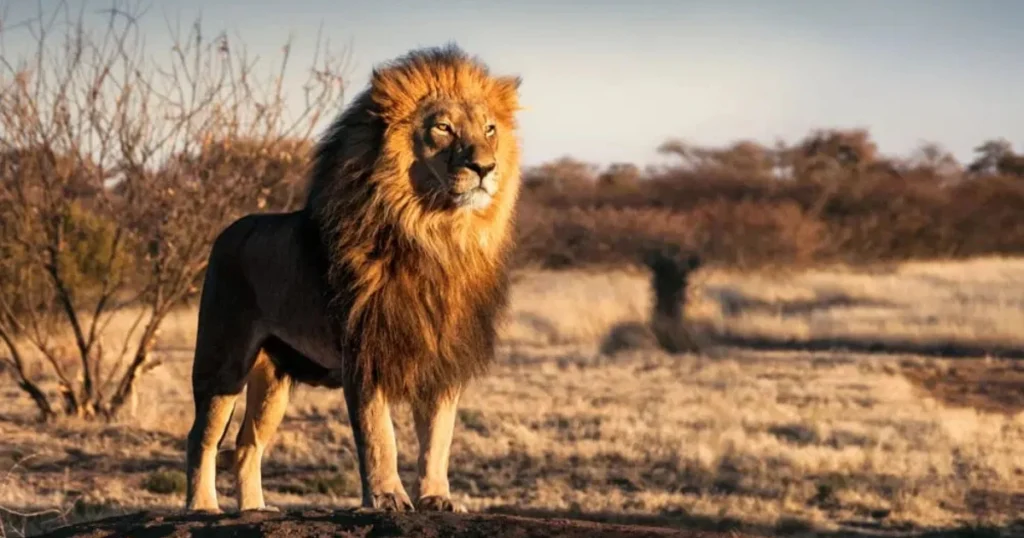
Cave Lion (Panthera spelaea)
The cave lion was one of the most impressive extinct lions, dominating Ice Age Europe and parts of Asia.
Life During the Ice Age
- Larger than modern African lions
- Shorter mane or possibly no mane at all
- Lived in cold steppe and tundra environments
Despite its name, the cave lion did not live inside caves. The name comes from fossil remains found in cave deposits.
Extinction Factors
Cave lions disappeared around 12,000 years ago due to:
- Climate warming after the Ice Age
- Decline of large prey species
- Increased human hunting pressure
Related terms: cave lion Ice Age, prehistoric lions
Mosbach Lion (Panthera fossilis)
The Mosbach lion is one of the earliest known lions in Europe and an ancestor of later cave lions.
Evolutionary Importance
- Lived over 600,000 years ago
- One of the largest lion species ever identified
- Played a key role in lion evolution
Fossils found in Germany and surrounding regions show that Panthera fossilis was adapted to both forested and open landscapes.
Why It Matters
The Mosbach lion helps scientists understand how lions evolved to survive colder climates and how later species developed increased size and strength.
Related terms: prehistoric lion species, lion evolution
American Cave Lion (Panthera atrox)
The American cave lion was among the largest lions ever to exist and lived across North America during the Ice Age.
Range and Size
- Found from Alaska to Mexico
- Significantly larger than modern lions
- Likely hunted large prey such as bison and horses
Extinction Timeline
The American cave lion went extinct approximately 11,000 years ago. Its disappearance is linked to:
- Rapid climate changes
- Extinction of megafauna prey
- Human expansion into the Americas
Despite common misconceptions, these lions were native to North America long before human colonization.
Related terms: American cave lion, extinct North American predators
Why Did Extinct Lions Disappear?
The extinction of ancient lions was not caused by a single factor. Instead, multiple pressures combined over time.
Key Causes of Lion Extinction
- Climate shifts altering habitats
- Loss of prey species
- Human hunting and competition
- Habitat fragmentation
Large predators are especially vulnerable to environmental disruption because they require vast territories and stable food sources.
Common Misconceptions About Extinct Lions
Many debates arise around extinct lions, especially regarding geography.
Lions Outside Africa Were Real
Fossil evidence clearly shows that lions once lived in Europe, Asia, and the Americas. These were not modern African lions transported by humans but native species adapted to local environments.
Extinct Does Not Mean Imaginary
Each extinct lion species discussed is supported by skeletal remains, genetic studies, and archaeological findings.
What Extinct Lions Teach Us About Conservation
The story of extinct lions is a warning for modern conservation efforts.
Lessons for Today
- Apex predators are essential for ecosystem balance
- Habitat protection is critical for survival
- Human activity can rapidly erase even dominant species
Modern lions face many of the same threats that caused ancient lions to disappear.
Frequently Asked Questions
Were there really lions in North America?
Yes. The American cave lion (Panthera atrox) lived in North America for thousands of years before going extinct at the end of the Ice Age.
Are any extinct lions being brought back?
There are no true de-extinction programs for lions. Some captive lions may carry partial genetic traits of extinct subspecies, but full restoration is not currently possible.
Why are lions only found in Africa today?
Climate change, human expansion, and habitat loss eliminated lions from most of their historical range, leaving only African and a small Indian population.
Were extinct lions larger than modern lions?
Several extinct lions, including the cave lion and American cave lion, were larger and more powerful than modern African lions.
Did humans cause lion extinctions?
Humans were a major contributing factor, especially through hunting and habitat destruction, but climate change also played a significant role.
Internal Linking Suggestions
From secretsofthegreengarden.com, consider linking to:
- Articles on extinct animals and biodiversity loss
- Content about ecosystems and predator roles
- Wildlife conservation and environmental balance topics
External Authority Sources
For reliable reference material, consider linking to:
- Smithsonian National Museum of Natural History resources on prehistoric mammals
- National Geographic articles on extinct predators
- University paleontology departments studying Ice Age fauna
Conclusion
Extinct lions once ruled vast territories across multiple continents, proving that lions were among the most adaptable predators in Earth’s history. Their disappearance was not a sign of weakness but a result of rapid environmental and human-driven change.
Understanding extinct lions helps us better protect the species that remain today. Their story reminds us that even the strongest animals are vulnerable when ecosystems are pushed beyond their limits.
**aquasculpt**
aquasculpt is a premium metabolism-support supplement thoughtfully developed to help promote efficient fat utilization and steadier daily energy.
**men balance pro**
MEN Balance Pro is a high-quality dietary supplement developed with research-informed support to help men maintain healthy prostate function.
**mounjaboost**
MounjaBoost is a next-generation, plant-based supplement created to support metabolic activity, encourage natural fat utilization, and elevate daily energywithout extreme dieting or exhausting workout routines.
I have recently started a website, the information you provide on this web site has helped me greatly. Thanks for all of your time & work. “It is a great thing to know our vices.” by Cicero.