
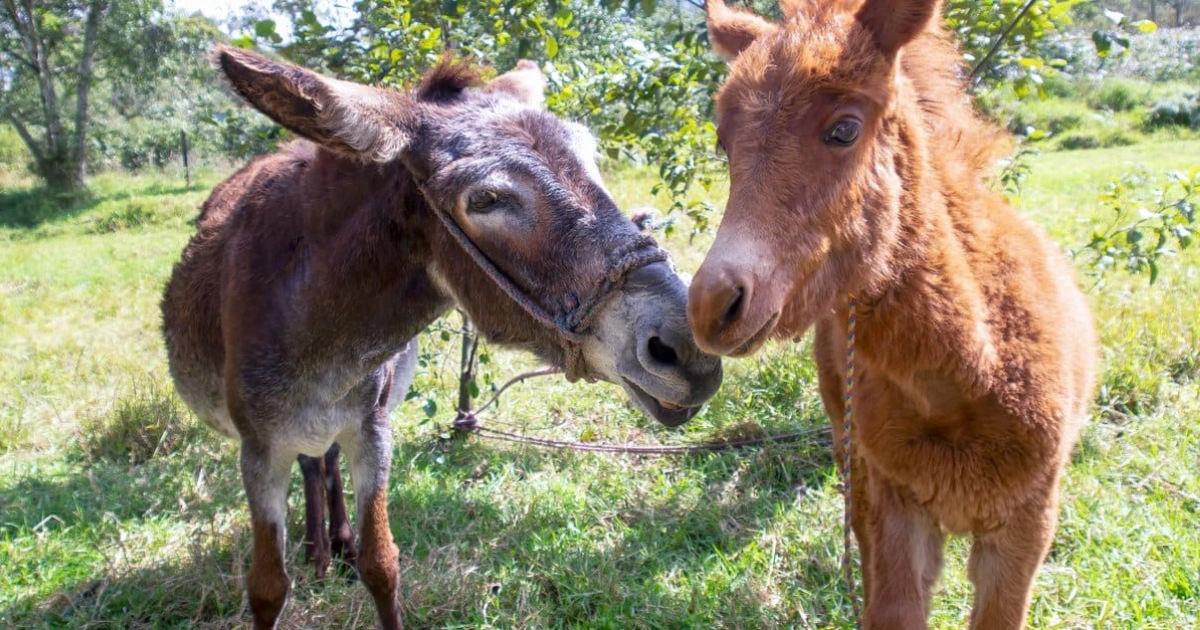
Equids, a group that includes horses, donkeys, and zebras, share a close genetic relationship that allows certain crossbreeds to occur. These hybrids have been used by humans for centuries due to their strength, endurance, and adaptability. However, their biology and reproduction come with unique characteristics that make them especially fascinating.
In this guide, we explore equid hybrid crossbreeds, how they are formed, and what makes animals like mules and hinnies so distinctive.
Primary Keyword: equid hybrid crossbreeds
Related keywords: mule vs hinny, horse donkey hybrid, equid species, animal hybridization, mule characteristics, donkey horse breeding, equine genetics, hybrid animals
What Are Equid Hybrid Crossbreeds?
Equid hybrid crossbreeds are animals produced by mating different members of the equine family, most commonly horses and donkeys. Because these species are genetically similar, they can produce offspring, although those offspring are typically sterile.
The most well-known hybrids are:
- Mule
- Hinny
These animals combine traits from both parents, often resulting in improved physical performance.
The Horse-to-Horse Cross: Standard Breeding
When a male horse (stallion) mates with a female horse (mare), the result is a foal. This is not a hybrid but standard reproduction within the same species.
Key Points
- Offspring are fertile
- Traits depend on breed genetics
- Common in agriculture and sport
This baseline helps us understand how hybrid crosses differ.
Mule: Horse Mare and Donkey Jack
The mule is the most common equid hybrid and has been used for thousands of years in farming, transport, and labor.
Parent Combination
- Female horse (mare)
- Male donkey (jack)
Characteristics of Mules
- Stronger and more resilient than horses
- High endurance and resistance to fatigue
- Sure-footed, making them ideal for rough terrain
- Typically sterile
Mules inherit the size and strength of the horse combined with the toughness and intelligence of the donkey.
Hinny: Donkey Jenny and Horse Stallion
The hinny is less common than the mule but results from the reverse cross.
Parent Combination
- Female donkey (jenny)
- Male horse (stallion)
Characteristics of Hinnies
- Usually smaller than mules
- May resemble donkeys more closely
- Also generally sterile
Hinnies are rarer due to biological and behavioral factors that make breeding less successful.
Why Are Most Equid Hybrids Sterile?
One of the most interesting aspects of equid hybrid crossbreeds is their inability to reproduce.
Genetic Explanation
- Horses have 64 chromosomes
- Donkeys have 62 chromosomes
- Hybrids typically have 63 chromosomes
Because chromosomes cannot pair properly during reproduction, most hybrids are sterile.
Scientific institutions such as the Smithsonian National Museum of Natural History and University of California have documented this genetic mismatch as the primary reason for sterility.
For further reading, consult:
Mule vs Hinny: Key Differences
Although both are hybrids, mules and hinnies are not identical.
Physical Differences
- Mules often have longer ears and a horse-like body
- Hinnies tend to be more donkey-like in appearance
Behavioral Differences
- Mules are known for their intelligence and work ethic
- Hinnies may be more cautious and less commonly used
Availability
- Mules are widely bred and used globally
- Hinnies are relatively rare
Advantages of Equid Hybrids
Farmers and workers have relied on equid hybrids for practical reasons.
Benefits
- Greater endurance than horses
- Better resistance to disease
- Lower maintenance requirements
- Ability to work in harsh environments
These advantages make mules especially valuable in agriculture and mountainous regions.
Ethical and Practical Considerations
While equid hybrid crossbreeds offer many benefits, there are important considerations:
- Sterility means they cannot reproduce naturally
- Breeding requires careful management
- Welfare and proper care are essential
Responsible breeding practices ensure the health and well-being of these animals.
Internal Linking Suggestions
To improve SEO and reader engagement on secretsofthegreengarden.com, consider linking to:
- “Farm Animals That Support Sustainable Gardening”
- “How Animals Contribute to Soil Health Naturally”
- “Beginner’s Guide to Backyard Farming”
FAQ About Equid Hybrid Crossbreeds
What is the difference between a mule and a hinny?
A mule comes from a female horse and male donkey, while a hinny results from a female donkey and male horse.
Are mules stronger than horses?
Mules are often more durable and resistant to fatigue, though not necessarily stronger in pure muscle power.
Can mules reproduce?
In most cases, mules are sterile due to their uneven number of chromosomes.
Why are hinnies rare?
Hinnies are less common because breeding between a female donkey and male horse is more difficult biologically.
Are equid hybrids healthy animals?
Yes, they are generally healthy and robust, often benefiting from hybrid vigor.
Final Thoughts
Equid hybrid crossbreeds highlight the fascinating intersection of genetics, evolution, and human history. Mules and hinnies are not just curiosities—they are practical, hardworking animals that have supported civilizations for centuries.
Understanding how these hybrids are formed and why they behave the way they do provides valuable insight into both animal biology and sustainable farming practices.