
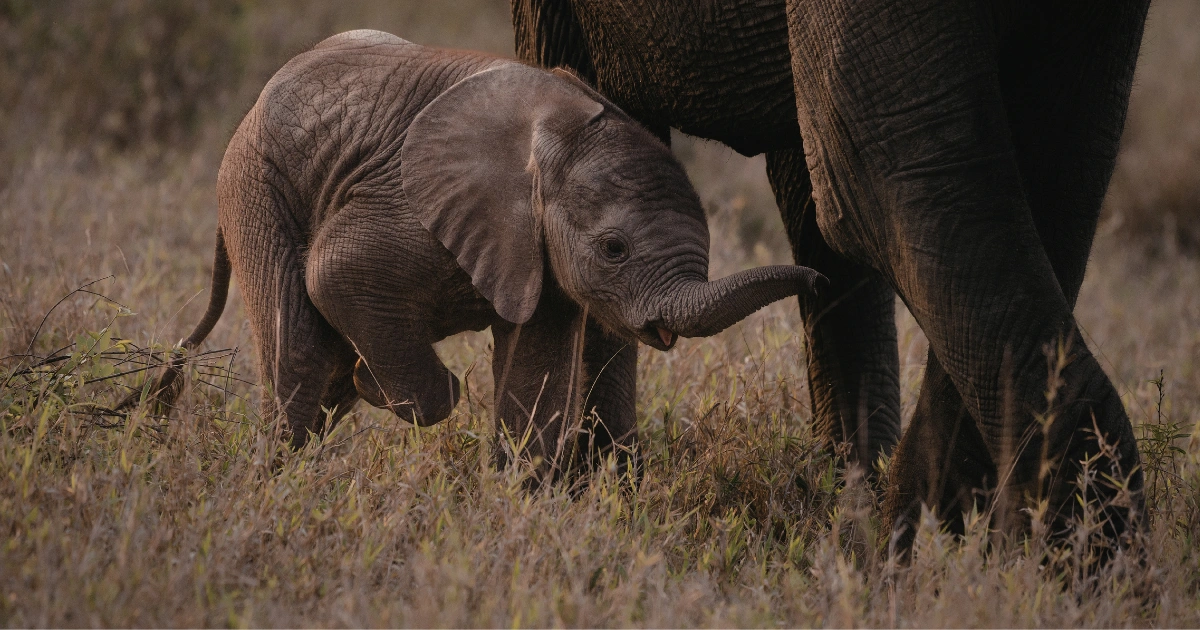
Elephants are known for their intelligence, strong social bonds, and impressive size. One of their most remarkable biological traits is their unusually long pregnancy. Among land animals, elephants have the longest gestation period, which plays a crucial role in the development and survival of their calves.
Understanding how elephant pregnancy works offers insight into the species’ slow reproduction rate and why conservation efforts are so important.
How Long Is an Elephant’s Pregnancy
Elephant gestation lasts about 20 to 22 months, depending on the species. Both African and Asian elephants share this extended pregnancy period, although slight variations may occur.
This means an elephant mother carries her calf for nearly two years before giving birth. The long gestation allows the baby to grow large and well-developed before entering the world.
Why Elephant Gestation Takes So Long
The main reason for the extended pregnancy is brain development. Elephants are among the most intelligent animals on Earth, and their calves are born with highly developed brains.
Key reasons for the long gestation include:
- Advanced brain growth before birth
- Large body size at birth
- Strong muscle and coordination development
- Improved survival chances in the wild
A newborn elephant calf can weigh between 90 and 120 kilograms and is able to stand and walk within hours of birth.
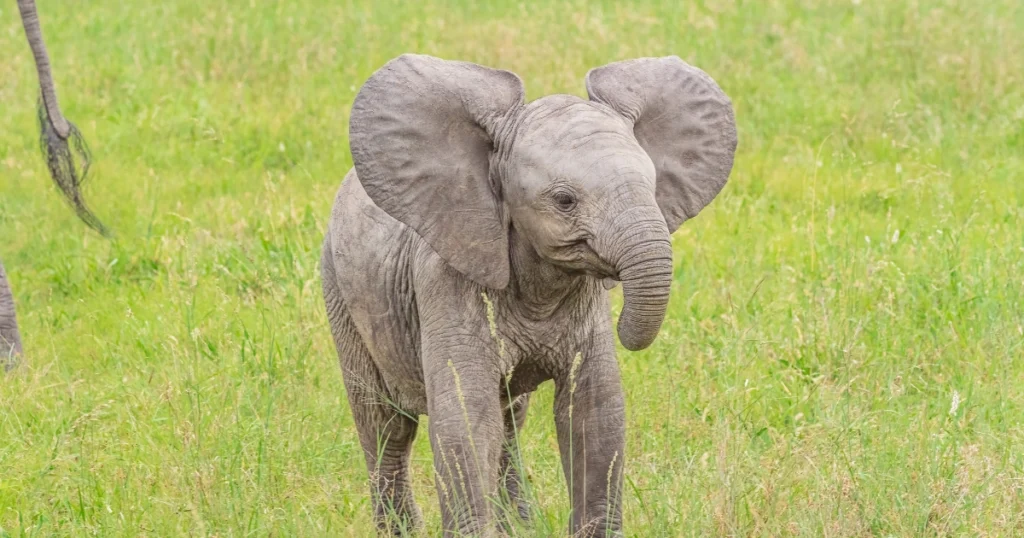
Development of the Elephant Calf
During the long pregnancy, the calf undergoes several stages of development.
Early months
In the first months, the embryo forms basic organs and structures. Growth is relatively slow at this stage.
Mid-gestation
As the pregnancy continues, the fetus develops stronger bones, muscles, and internal systems. The brain also grows significantly during this period.
Final months
In the last stage, the calf gains weight rapidly. Its trunk, legs, and sensory systems become fully functional in preparation for life outside the womb.
Birth and Early Life
Elephants usually give birth to a single calf. Twins are extremely rare.
At birth:
- The calf weighs around 200–260 pounds (90–120 kg).
- It can stand within a few hours.
- It begins nursing almost immediately.
- The herd gathers around the mother to protect and support the newborn.
Elephant herds are matriarchal, meaning older females help care for the calf. This group support increases the calf’s chances of survival.
Reproductive Rate and Conservation
Because elephants have such long pregnancies, their reproduction rate is slow. A female elephant typically gives birth once every four to six years.
This slow cycle makes elephant populations vulnerable to threats such as:
- Habitat loss
- Poaching
- Human–wildlife conflict
Protecting adult females is especially important, as each one represents many years of reproductive investment.
Fascinating Facts About Elephant Pregnancy
- Elephants have the longest pregnancy of any land mammal.
- The fetus develops a highly advanced brain before birth.
- Calves are born large and physically capable.
- Herd members often assist during and after birth.
- A mother may care for her calf for several years.
Why the Long Pregnancy Matters
The extended gestation period is a survival strategy. By investing more time in each calf before birth, elephants increase the chances that the newborn will survive in challenging environments.
This slow, careful approach to reproduction is one reason elephants are such intelligent and socially complex animals—but it also means they need strong protection to maintain healthy populations.