
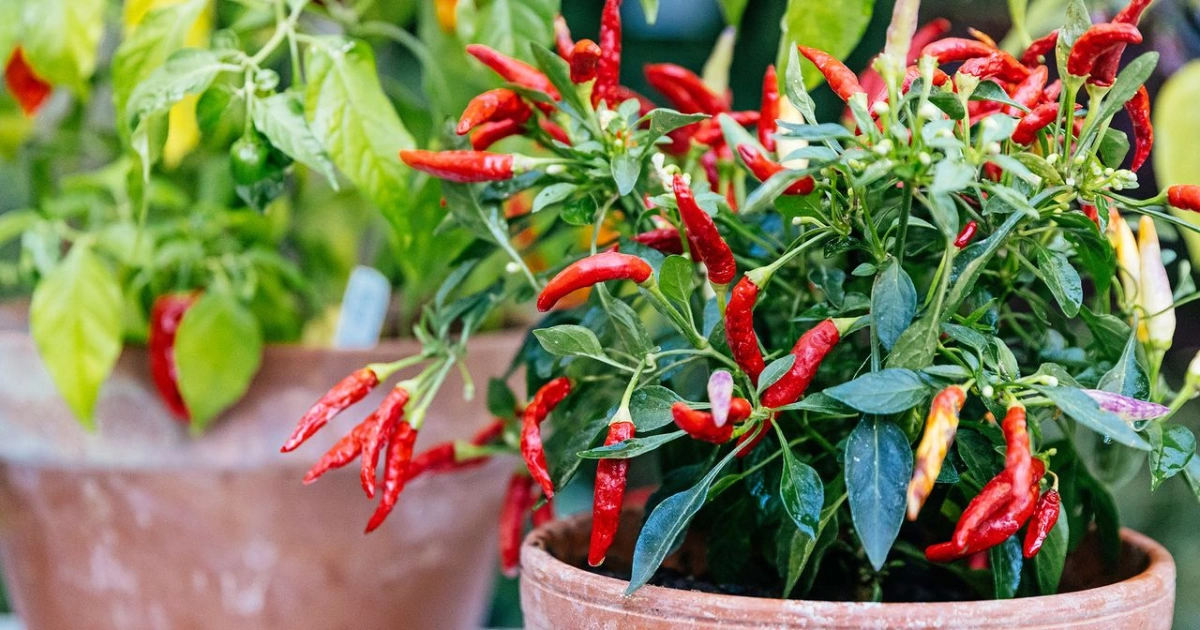
Growing chili plants at home is a rewarding project for gardeners of all experience levels. Whether you enjoy mild peppers or fiery varieties, cultivating your own chili plants allows you to control quality, freshness, and flavor. One lesser-known propagation technique involves using a potato as a temporary growth medium to support chili seed germination. While simple, this method can help beginners understand seed sprouting and early plant care.
This guide explains how to grow chili plants at home using chili seeds and potatoes, while also clarifying best practices, limitations, and tips to ensure healthy plants and productive harvests.
What Is the Chili and Potato Growing Method
The chili and potato method uses small pieces of raw potato as a moisture-retaining medium to help chili seeds germinate. Potatoes contain water and carbohydrates that can support seeds during the earliest stages of growth. Once seedlings establish roots, they are transferred to soil where normal growth continues.
This technique is primarily useful for seed starting rather than long-term cultivation.
Why Grow Chili Plants at Home
Homegrown chili plants offer several advantages:
- Fresh peppers with full flavor
- Control over pesticide and fertilizer use
- Access to rare or favorite varieties
- Continuous harvest throughout the season
- Cost savings compared to store-bought chilis
Chili plants also grow well in containers, making them suitable for balconies, patios, and small gardens.
Materials Needed
Before starting, gather the following items:
- Fresh, ripe chili peppers
- Raw potatoes
- Quality potting soil
- Small pots or containers with drainage
- Watering can or spray bottle
- Warm, sunny growing location
Clean tools and containers help reduce the risk of disease during germination.
Step 1: Selecting the Right Chili Peppers
Choose fully ripe, healthy chili peppers. Seeds from mature peppers have higher germination rates. Avoid peppers that show signs of mold or damage.
You can use seeds from many common varieties, including:
- Bell peppers
- Jalapeños
- Cayenne
- Thai chilies
- Habaneros
Flavor and heat level depend on the variety you choose.
Step 2: Preparing the Chili Seeds
Slice the chili pepper open and gently remove the seeds. Spread them on a paper towel and allow them to dry for one to two days. Drying reduces the risk of rot once planted.
Do not use cooked or processed chili seeds, as heat damages viability.
Step 3: Preparing the Potatoes
Cut raw potatoes into small cubes, each large enough to hold one chili seed. Avoid potatoes with signs of rot or mold.
The potato acts as a temporary moisture source, helping keep the seed hydrated during early sprouting.
Step 4: Inserting the Chili Seeds
Using a clean fingertip or small tool, create a shallow hole in each potato cube. Insert one chili seed per cube and gently press it into place. The seed should sit just beneath the surface, not deeply buried.
Proper seed contact with the potato helps maintain consistent moisture.
Step 5: Planting the Potato Cubes
Fill small pots or containers with loose, well-draining potting soil. Place the potato cubes into the soil with the seed facing upward. Cover lightly with soil, leaving the surface loose.
Avoid compacting the soil, as young roots need air circulation.
Step 6: Watering and Environmental Conditions
Water the soil gently after planting. Keep the soil evenly moist but never saturated. Excess water can cause the potato to rot before the seed germinates.
Ideal growing conditions include:
- Warm temperatures between 22 and 30 degrees Celsius
- Bright, indirect sunlight or filtered direct sun
- Good airflow to reduce fungal growth
Seedlings typically emerge within two to three weeks.
Step 7: Monitoring Germination and Early Growth
Check daily for signs of sprouting. Once seedlings appear, ensure they receive sufficient light to prevent leggy growth.
If mold appears on the soil surface or potato, remove affected material immediately and improve airflow.
Step 8: Transplanting Seedlings
When chili seedlings develop several true leaves and strong roots, they should be transplanted. This usually occurs three to four weeks after germination.
Carefully remove the seedling and surrounding soil, discarding any remaining potato material. Plant the seedling into a larger pot or garden bed with well-draining soil.
Step 9: Ongoing Chili Plant Care
Once established, chili plants require consistent care for optimal production.
Key care practices include:
- Watering when the topsoil feels dry
- Providing at least six hours of direct sunlight daily
- Feeding with a balanced fertilizer every two to three weeks
- Supporting plants as they grow taller
Avoid overfertilizing with nitrogen, which encourages leaves rather than fruit.
Step 10: Harvesting Homegrown Chilis
Chili peppers can be harvested at various stages depending on preference. Some varieties are harvested green, while others develop deeper flavor when fully colored.
Use clean scissors or pruning shears to harvest peppers without damaging the plant. Regular harvesting encourages continued fruit production.

Important Notes About the Chili and Potato Method
While this method can support early germination, it is not scientifically proven to improve long-term chili growth compared to traditional seed-starting methods. Potatoes may rot if conditions are too wet, which can harm seedlings.
For consistent results, many gardeners prefer starting chili seeds directly in seed-starting mix after soaking seeds in water.
Common Mistakes to Avoid
Avoid these frequent errors when growing chili plants:
- Using immature or cooked chili seeds
- Overwatering during germination
- Leaving seedlings in potato cubes too long
- Growing in low light conditions
- Skipping transplanting at the right time
Healthy early care determines future plant productivity.
Frequently Asked Questions
Does growing chili seeds in potatoes increase yield?
There is no scientific evidence that potatoes increase chili yields. The method mainly helps maintain moisture during germination.
Can chili plants be grown entirely in potatoes?
No. Potatoes are only suitable for short-term seed support. Chili plants must be transferred to soil for proper growth.
How long do chili plants take to produce fruit?
Most chili plants begin producing fruit 60 to 90 days after transplanting, depending on variety and growing conditions.
Can this method be used indoors?
Yes, as long as plants receive sufficient light and warmth. Grow lights may be needed in low-light environments.
Are store-bought chili seeds reliable?
Seeds from fresh, ripe peppers usually germinate well, but results vary depending on variety and freshness.
Internal Linking Suggestions
For related content on secretsofthegreengarden.com, consider linking to:
- How to Grow Chili Plants in Containers
- Seed Starting Basics for Home Gardeners
- Best Natural Fertilizers for Vegetable Plants
Trusted External Resources
For science-based growing advice, these high-authority sources are recommended:
- Peppers and Their Cultivation from a university agricultural extension service
- Seed Germination and Plant Development from a government horticulture department
- Capsicum Growing Guidelines from an academic plant science institution
Final Thoughts
Growing chili plants at home is both practical and enjoyable. While the chili and potato method can support early seed germination, success ultimately depends on proper soil, light, water, and long-term care. With patience and consistent attention, home gardeners can enjoy fresh, flavorful chilis throughout the growing season.
Antalya waterfalls tour Pamukkale Bodrum luxury at its best thanks to TravelShop Booking. We stayed in a private villa hotel in Göltürkbükü – own pool, butler service, breathtaking design. Booking was smooth, communication perfect, and they even organised our gulet day trip. Unforgettable experience! https://campsite.bio/travelshopbooking
Приобрести диплом университета по доступной цене можно, обратившись к проверенной специализированной фирме. Для проверки компании перед заказом воспользуйтесь рейтингом и отзывами на форумах. Можно заказать диплом из любого ВУЗа России malucarestaurant.ca/teddyalx40898
кликните сюда водкабет
Мы можем предложить дипломы любой профессии по невысоким тарифам.– paknoukri.com/companies/gosznac-diplom-24
ЦентрБГ оказывает комплексные услуги по банкротству физических лиц «под ключ» по всей России. Если вы ищете правовой центр банкротства граждан в Москве – в компании ЦентрБГ вы получите квалифицированную помощь от бесплатной первичной консультации до полного списания долгов. Специалисты подробно разъясняют порядок подготовки документов, подачи заявления в суд и участия в судебных заседаниях, помогая пройти процедуру максимально спокойно и прозрачно.
Discover the exciting world of gambling on 777 bet online casino, where every spin can be a winner!
Among the numerous platforms available, 777bet has garnered significant attention.
нажмите войти на vbet poker
зайти на сайт https://forum.hpc.name/thread/z062/118796/kak-prochitat-disk-dvd-ram-i-perenesti-ego-soderjimoe-na-obychnyy-dvd.html
другие vbet casino
подробнее https://forum.hpc.name/thread/z712/110866/manjaro-dlya-novichkov-start-raboty-i-poleznye-resursy.html
На сайте На работу! (2024) русский сериал 1-10,11,12 серию 1 сезона скачать торрент национальные полнометражные проекты и многосерийные проекты часто находят не ради онлайн-просмотра, а именно для загрузки, чтобы запускать без подключения без подключения к сети, формируя личную медиатеку, где такие кинопродукты удерживают внимание не только как способ отдыха, но и как завершённый видеоконтент с качественным сценарием и выраженной кинематографической подачей, а качественная локализация делает воспроизведение максимально лёгким. Эпизодический проект доступен для сохранения без сокращений, одним файлом в высоком разрешении WEBRip.
посмотреть на этом сайте vodka премиум онлайн казино
В джунглях ставок, где каждый ресурс пытается привлечь обещаниями быстрых призов, рейтинг честных сайтов казино онлайн
превращается именно той путеводителем, что направляет мимо заросли обмана. Тем ветеранов и новичков, кто устал от фальшивых обещаний, он инструмент, чтоб ощутить настоящую выплату, словно вес выигрышной ставки в пальцах. Без лишней болтовни, только реальные клубы, в которых выигрыш не только показатель, а конкретная фортуна.Составлено по гугловых поисков, будто паутина, что ловит топовые горячие тренды по сети. Здесь нет пространства для стандартных фишек, всякий пункт как карта на покере, там обман выявляется сразу. Хайроллеры понимают: в рунете стиль разговора на иронией, в котором ирония скрывается как рекомендацию, позволяет обойти ловушек.В https://cloud.mail.ru/public/1pe1/MmFjMPKG5 данный рейтинг находится словно раскрытая колода, приготовленный к раздаче. Посмотри, когда желаешь ощутить биение подлинной азарта, минуя мифов плюс неудач. Тем тех знает ощущение приза, это словно иметь фишки на ладонях, минуя смотреть в монитор.
Trải qua hơn một thập kỷ hình thành và phát triển, tải 66b đã xây dựng được cộng đồng người chơi vững mạnh nhờ vào sự nhất quán trong chất lượng dịch vụ và uy tín chi trả. TONY02-03