
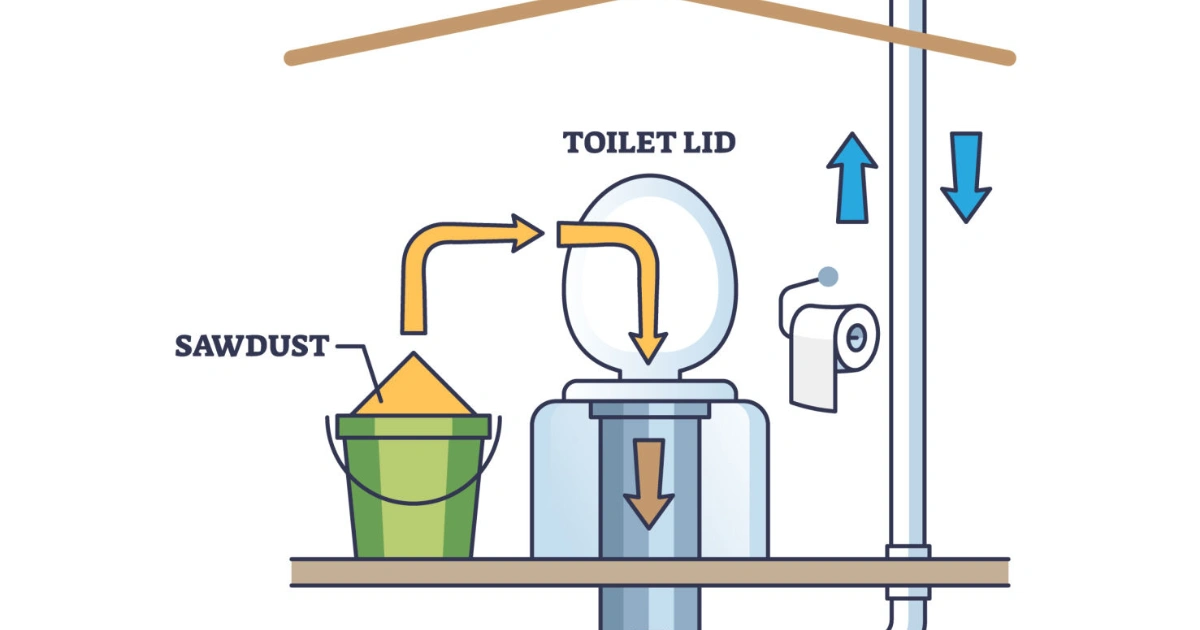
A dry toilet, often called a composting or waterless toilet, is an ecological sanitation system that operates without flushing water. Instead of sending waste into a sewer or septic tank, a dry toilet transforms human waste into compost through controlled decomposition. This approach is increasingly popular in off-grid homes, eco-houses, cabins, tiny homes, and areas facing water scarcity.
This article explains how dry toilets work, their key components, advantages, limitations, and how to use them safely and effectively.
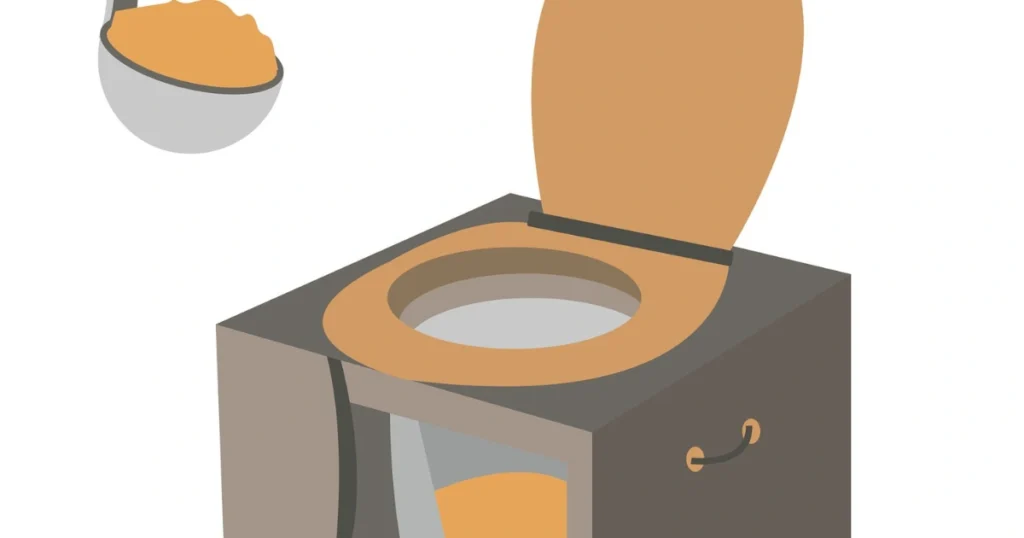
What Is a Dry Toilet?
A dry toilet is a sanitation system that separates waste from water-based plumbing. Rather than relying on flushing, it uses aeration, carbon-rich materials, and time to break down waste into stable organic matter.
The core idea is simple:
no water, no sewage, and minimal environmental impact.
Dry toilets have been used for centuries in various forms and are now refined with modern ventilation and hygiene standards.
How a Dry Toilet Works
Waste Collection and Decomposition
When a dry toilet is used, waste travels through a chute into a sealed composting chamber. Inside this chamber, organic matter begins to decompose through aerobic processes.
To support decomposition, users typically add a carbon material such as:
- Sawdust
- Wood shavings
- Straw
- Dried leaves
This balances moisture and nitrogen, reduces odors, and improves compost quality.
Ventilation System
One of the most important components is effective ventilation. A vertical ventilation pipe, usually exiting through the roof, continuously removes moisture and odors.
Many systems include:
- A passive airflow chimney
- A small electric or solar-powered fan
This airflow keeps the system odor-free and promotes aerobic decomposition rather than anaerobic decay.
Air Inlet and Oxygen Flow
Fresh air enters the compost chamber through a dedicated air inlet, ensuring oxygen reaches the decomposing material. Proper airflow is critical for:
- Preventing foul smells
- Speeding up composting
- Discouraging flies and pests
Access Hatch for Maintenance
Once composting is complete, the material is accessed through a sealed hatch. Mature compost is removed periodically, depending on system size and usage frequency.
Key Components of a Dry Toilet System
Toilet Fixture
The toilet seat looks similar to a conventional toilet but connects to a vertical or angled chute instead of plumbing.
Composting Chamber
This chamber can be located:
- Directly below the toilet
- In a basement
- Outside the building
Larger chambers allow longer composting cycles and less frequent emptying.
Ventilation Pipe
A vertical pipe creates continuous airflow. Height and insulation matter, as warm air rises and improves draft efficiency.
Chute with Adjustable Length
Some systems use a variable-length chute to ensure waste lands evenly across the compost pile, improving decomposition and reducing buildup.
Benefits of Dry Toilets
Water Conservation
Dry toilets use zero water, making them ideal for drought-prone regions or off-grid living. A single household can save thousands of liters of water per year.
Reduced Environmental Impact
By avoiding sewage systems, dry toilets:
- Reduce groundwater contamination
- Prevent nutrient pollution in rivers
- Lower infrastructure demands
Compost Production
When managed correctly, the system produces compost that can be used for:
- Ornamental plants
- Trees
- Soil restoration
Humanure compost should follow local regulations and safety guidelines.
Energy Efficiency
Most dry toilets require little to no electricity. Even ventilated systems consume minimal power compared to wastewater treatment.
Common Myths About Dry Toilets
“They Smell Bad”
A properly ventilated dry toilet does not smell. Odors usually indicate poor airflow or insufficient carbon material.
“They Are Unhygienic”
Modern dry toilets are designed to isolate waste safely. When composting is complete, pathogens are significantly reduced through time and temperature.
“They Are Difficult to Maintain”
Maintenance is straightforward:
- Add carbon material after use
- Check ventilation
- Empty compost chamber periodically
Most users adapt quickly.
Best Practices for Using a Dry Toilet
Balance Carbon and Nitrogen
Always add dry carbon material after each use. This keeps moisture levels balanced and prevents odors.
Keep Liquids Under Control
Some systems separate urine to avoid excess moisture. If not separated, careful carbon use is essential.
Ensure Proper Ventilation
Inspect ventilation pipes regularly to ensure airflow is unobstructed.
Follow Composting Time Guidelines
Compost should mature for several months to over a year, depending on temperature and system design, before being handled or reused.
Where Dry Toilets Work Best
Dry toilets are especially suitable for:
- Off-grid homes
- Tiny houses
- Eco-lodges
- Remote cabins
- Areas without sewer access
- Sustainable building projects
They are also increasingly used in urban eco-housing developments with shared composting systems.
Legal and Safety Considerations
Before installing a dry toilet:
- Check local building and sanitation codes
- Follow approved compost handling practices
- Use compost only where permitted
Many regions now recognize certified composting toilets as legal sanitation systems.
Frequently Asked Questions
How often does a dry toilet need to be emptied?
This depends on chamber size and usage. Small systems may require emptying every few months, while larger systems may only need annual maintenance.
Can dry toilets be used year-round?
Yes. Insulated chambers and proper ventilation allow year-round use, even in cold climates.
Is compost from a dry toilet safe?
When composted correctly and given sufficient time, it is safe for non-food applications. Regulations vary by region.
Do dry toilets attract insects?
Proper airflow, carbon cover material, and sealed access hatches prevent insects.
Are dry toilets expensive?
Costs vary. DIY systems are affordable, while certified commercial units cost more but offer convenience and compliance.
Final Thoughts
Dry toilets represent a practical and environmentally responsible alternative to conventional sanitation. With proper design, ventilation, and maintenance, they are clean, odor-free, and highly efficient. As water conservation and sustainable living become more important, dry toilets offer a proven solution that aligns with ecological and practical needs.
For anyone exploring off-grid living, eco-friendly housing, or resilient infrastructure, understanding dry toilet systems is a valuable step toward sustainable sanitation.
I too think thence, perfectly indited post! .
eidnci
Hi, Neat post. There is a problem with your site in web explorer, might test this?K IE still is the marketplace chief and a big component of other folks will leave out your fantastic writing due to this problem.
It’s really a great and helpful piece of information. I am glad that you shared this useful info with us. Please keep us informed like this. Thank you for sharing.
ทดลองเล่นสล็อต pg ไม่ เด้ง
ทดลองเล่นสล็อต pg ฟรี pg slot แพลตฟอร์มเกมสล็อตยอดนิยม เล่นง่าย ฝากถอนเร็ว
คำค้นหา สล็อต PG มาแรงในช่วงนี้ ในกลุ่มผู้เล่นเกมสล็อตออนไลน์ เพราะเป็น แบรนด์เกมที่โดดเด่น ด้าน กราฟิก ความ ลื่นไหล และ ระบบจ่ายที่ดึงดูด เกมของ PG ออกแบบโดยทีมงานมืออาชีพ ที่รองรับการเล่นทั้งบน โทรศัพท์มือถือ และ พีซี
ข้อดี ของ สล็อต PG
pg slot เป็นเกมสล็อตออนไลน์ที่ออกแบบมาให้ เข้าเกมไว เล่นผ่าน ระบบออนไลน์ และรองรับ ทุกอุปกรณ์ เข้าเล่นผ่านเว็บได้เลย ผู้เล่นสามารถเข้าเล่นผ่าน เว็บเบราว์เซอร์ ได้ทันที ภาพและเสียงถูกพัฒนาในรูปแบบ สามมิติ ให้ความคมชัด พร้อมเอฟเฟกต์ สวยงาม
คุณสมบัติหลักของเกม สล็อต PG ได้แก่
ระบบโบนัสและฟรีสปินหลากหลายรูปแบบ
Multiplier
เดโม่ฟรี
ใช้งานภาษาไทยง่าย
ฝากถอนง่าย ไม่ต้องรอนาน
แพลตฟอร์ม pg slot มักมี การฝาก-ถอน อัตโนมัติ 24 ชั่วโมง ขั้นต่ำเริ่มต้นเพียง หลักหน่วย ขึ้นอยู่กับ เงื่อนไขของเว็บไซต์ การทำรายการใช้เวลา ไม่กี่วินาที ผ่าน สแกน QR หรือระบบ ธนาคารบนมือถือ ทำให้ธุรกรรมเป็นไปอย่าง ไม่สะดุด
แนวเกมที่คนเล่นเยอะ ใน pg slot
เกม PG Slot มีธีมหลากหลาย เช่น
ธีม แฟนตาซี
ธีม Adventure
ธีม ความมั่งคั่ง
ธีม สัตว์และธรรมชาติ
เกมยอดนิยมมักเป็นเกมที่แตกง่าย พร้อมระบบ Special Feature และ ระบบจ่ายคุ้มค่า เหมาะกับทั้ง ผู้เล่นเริ่มต้น และ ผู้เล่นมือโปร
ความปลอดภัย
สล็อต PG พัฒนาในระบบสากล มีการ เข้ารหัสข้อมูล และใช้ระบบสุ่มผล Random Number Generator เพื่อให้ผลลัพธ์ โปร่งใส แพลตฟอร์มที่ให้บริการ PG Slot ควรมี ทีมซัพพอร์ต 24 ชม.
บทสรุปท้ายบท
pg slot เป็นตัวเลือกยอดนิยมสำหรับผู้ที่ต้องการเล่นสล็อตออนไลน์ ด้วยจุดเด่นด้าน ระบบลื่นไหล และการทำธุรกรรมที่ ทันใจ ผู้เล่นสามารถเริ่มต้นได้ ไม่ซับซ้อน ฝากถอนสะดวก และเลือกเกมได้ ครบทุกหมวด เหมาะสำหรับ ผู้เล่นทุกสไตล์ ในโลกของเกมสล็อตออนไลน์
tuan88