
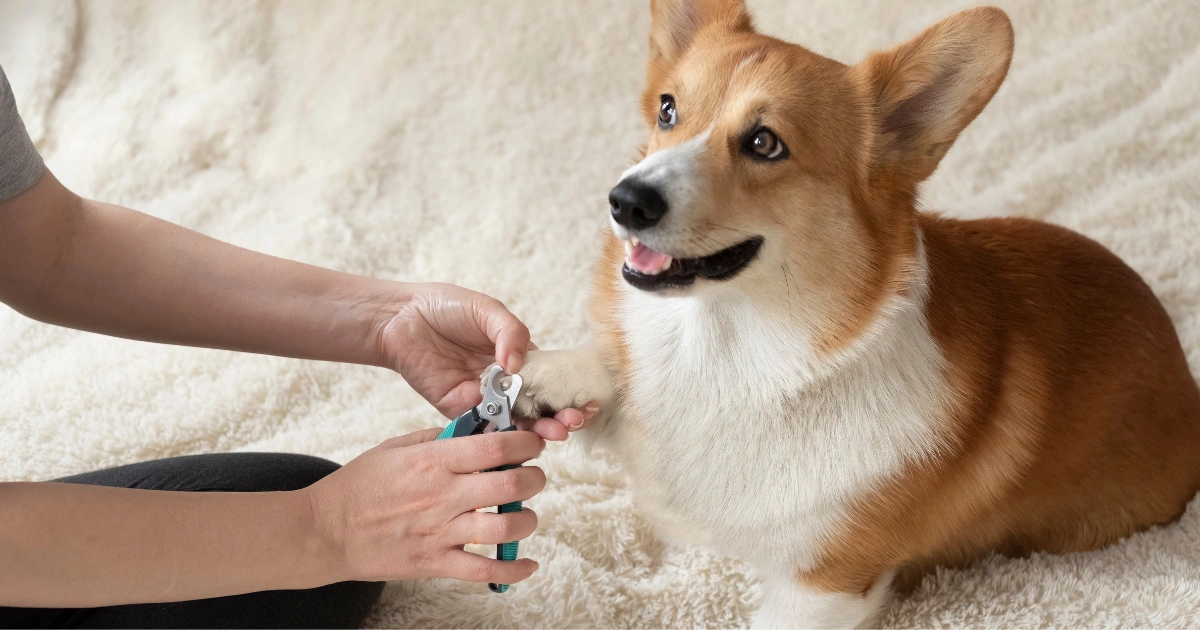
Trimming your dog’s nails is an essential part of pet care. Proper trimming prevents discomfort, injury, and long-term joint issues. Understanding the anatomy of a dog’s nail and the correct cutting angles ensures safe and effective grooming.
In this guide, we explain the structure of a dog’s nail, step-by-step trimming instructions, and tips for maintaining healthy paws.
Primary keyword: dog nail trimming
Related terms used naturally:
how to trim dog nails
dog nail anatomy
safe nail cutting angles
trimming dog claws
dog paw care
prevent overgrown nails
Understanding Dog Nail Anatomy
A dog’s nail is more than just the visible tip. Key components include:
- Nail Bed: The living tissue inside the nail that contains blood vessels and nerves. Avoid cutting into this area.
- Nail Bone: Supports the structure of the nail.
- Insensitve Wall: The outer hard portion of the nail that can be safely trimmed.
- Sole Horn and Crumbly Sole: Parts of the underside that provide traction and protection.
- Pad: Cushions the paw and supports the nail.
Knowledge of these parts helps prevent cutting into sensitive areas, which can cause bleeding and pain.
Proper Nail Cutting Angles
To trim a dog’s nails safely, use the following steps:
Step 1: First Cut Angle
- Trim the tip of the nail at a slight angle away from the quick (nail bed).
- This removes the excess nail while keeping the sensitive area safe.
Step 2: Second Cut Angle
- Follow the curve of the nail to gradually shorten the length.
- Make small cuts instead of one large clip to prevent splitting.
Step 3: Third Cut Angle
- Check the underside of the nail.
- Remove any remaining grown-out nail or crumbly sole gently.
- Ensure the nail is smooth and even, avoiding sharp edges.
Regular trimming at these angles promotes healthy nail growth and prevents overgrowth.

Step-by-Step Nail Trimming Tips
- Choose the right tools: Use sharp, high-quality dog nail clippers or a rotary tool.
- Position your dog safely: Sit on the floor or use a grooming table with non-slip surface.
- Trim gradually: Take off small sections to avoid cutting into the quick.
- Reward your dog: Use treats and praise to create a positive experience.
- Check paws frequently: Look for signs of injury, swelling, or infection.
Consistency helps dogs get accustomed to nail trimming and reduces anxiety.
Common Mistakes to Avoid
- Cutting too close to the quick, causing bleeding
- Using dull clippers that crush the nail
- Ignoring overgrown nails, which can affect posture and joints
- Neglecting all four paws, including dewclaws
- Skipping nail care for older dogs, whose nails may grow faster
Proper technique ensures safety for both the dog and the owner.
FAQ About Dog Nail Trimming
How often should I trim my dog’s nails?
Typically every 3–6 weeks, depending on activity level and nail growth.
Can I use human nail clippers?
No. Dog nails are thicker and require clippers designed for pets.
What if I cut the quick?
Apply styptic powder or cornstarch to stop bleeding, and remain calm to reassure your dog.
Are some dog nails easier to trim than others?
Yes. Light-colored nails allow easier visibility of the quick, while dark nails require more caution.
Can dogs trim their own nails naturally?
Active dogs may naturally wear down nails on hard surfaces, but regular trimming is still recommended.
Internal Linking Suggestions for secretsofthegreengarden.com
To enhance SEO and content clustering, link this article to:
- Understanding Dog Body Language
- Dog Grooming Essentials
- Healthy Pet Care Tips
These links create a cohesive pet care and grooming content cluster.
Final Thoughts
Dog nail trimming is an important part of overall paw health. By understanding the nail’s anatomy, using proper cutting angles, and practicing safe techniques, you can maintain your dog’s comfort and mobility. Regular trimming also prevents injuries and supports long-term joint and paw health.
I was suggested this web site by my cousin. I’m not sure whether this post is written by him as nobody else know
such detailed abut my problem. You are amazing!
Thanks!
my webpage soğuk algınlığı ilaçları
Hi there, I enjoy reading all off your article post.
I wanted to write a little comment to support
you.
Look into my web page :: Lisans Al
I savor, lead to I discovered exactly what I was having a look for.
You’ve ended my 4day lengthy hunt! God Bless you man. Have a great day.
Bye
my blog :: Dalaman Fethiye transfer