
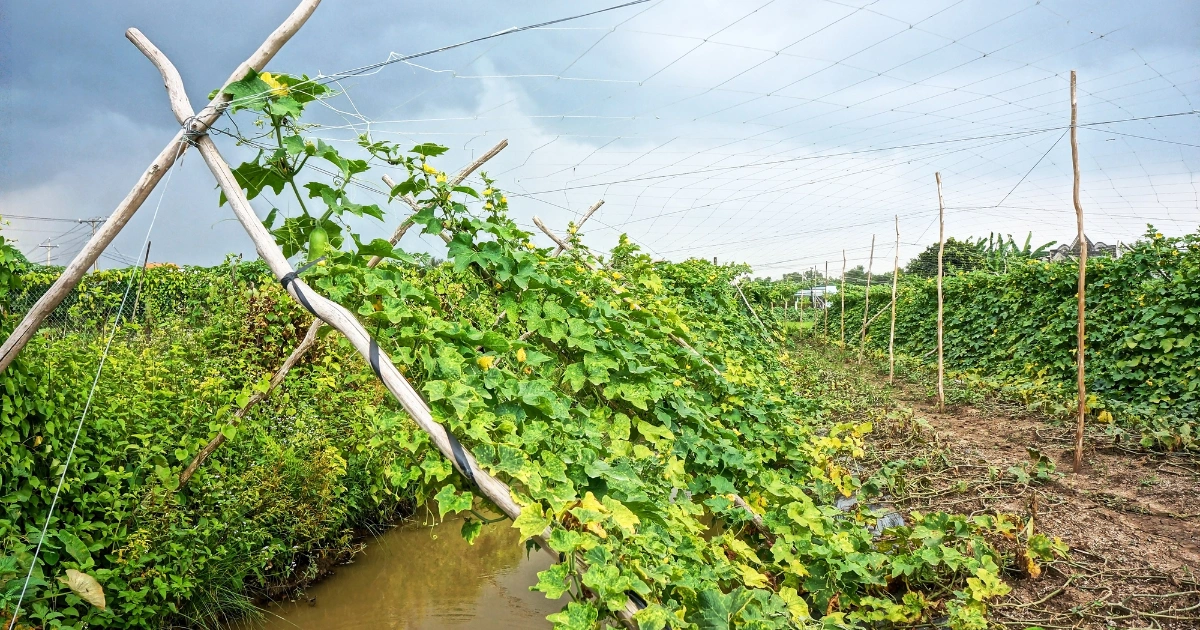
A DIY teepee trellis is one of the easiest and most effective ways to grow climbing plants in a small garden. This simple vertical structure supports beans, peas, cucumbers, and flowering vines while maximizing space and improving air circulation.
If you want a practical, affordable solution for vertical gardening, a teepee trellis is ideal. It requires minimal tools, basic materials, and can be built in under an hour.
In this guide, you’ll learn how to build a DIY teepee trellis step by step, which materials work best, and what plants thrive on this vertical support system.
Why Build a DIY Teepee Trellis?
A DIY teepee trellis offers several benefits for home gardeners:
- Maximizes growing space in small gardens
- Improves sunlight exposure
- Enhances airflow, reducing fungal diseases
- Makes harvesting easier
- Adds visual interest to your garden
Vertical gardening techniques like this are especially useful in raised beds, compact yards, and beginner gardens.
Materials You’ll Need
To build a sturdy DIY teepee trellis, gather the following:
- 6 to 9 bamboo poles, wooden stakes, or long straight branches (6–8 feet tall)
- Garden twine, heavy-duty string, or zip ties
- Hammer or mallet
- Measuring tape
- Garden soil prepared for planting
Bamboo is lightweight and durable, while untreated wood offers a more rustic look.
Step-by-Step: How to Build a DIY Teepee Trellis
Step 1: Choose the Location
Select a sunny area with well-draining soil. Most climbing vegetables require at least 6–8 hours of direct sunlight daily.
Prepare the soil by loosening it and enriching it with compost.
According to the USDA Natural Resources Conservation Service, healthy soil structure improves root development and water retention.
https://www.nrcs.usda.gov
Step 2: Position the Poles
Arrange 6 to 9 poles in a circular shape, spacing them evenly. Leave a slightly wider gap between two poles to create an entry space if desired.
Push each pole 4 to 6 inches deep into the ground for stability.
Step 3: Secure the Top
Gather the tops of the poles together and tie them tightly using strong twine or garden wire. Wrap multiple times and knot securely.
The tighter the lash, the stronger your teepee trellis will be.
Step 4: Add Horizontal Support (Optional)
For extra stability and better climbing structure, wrap twine horizontally around the poles in intervals, creating a lattice effect.
This helps lightweight plants grip more easily.
Step 5: Plant Around the Base
Plant 4 to 6 seeds around the base of each pole. Water thoroughly after planting.
As seedlings grow, gently guide them toward the poles to encourage upward growth.
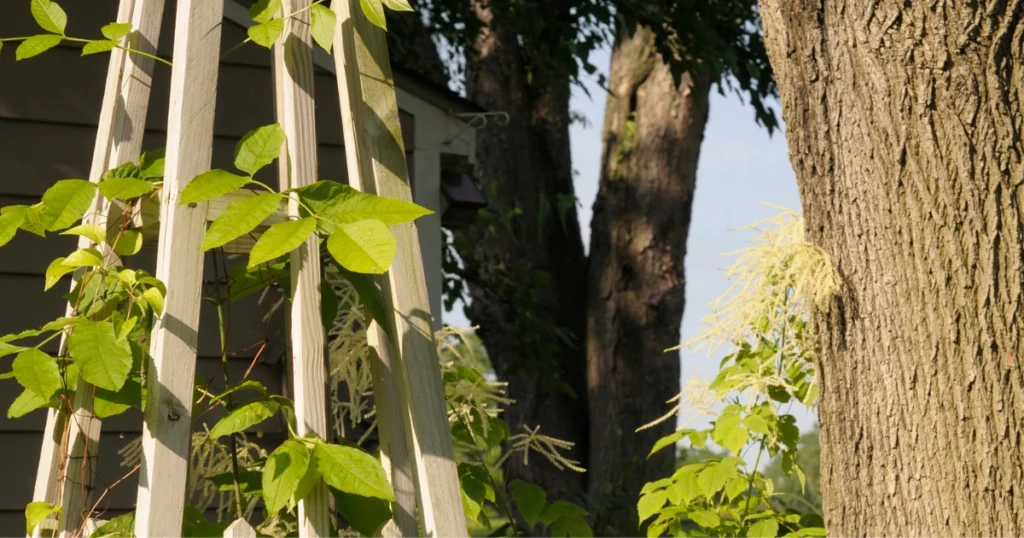
Best Plants for a DIY Teepee Trellis
A teepee trellis works best with vining and climbing plants such as:
- Pole beans
- Sugar snap peas
- Cucumbers
- Morning glories
- Sweet peas
- Mini pumpkins
Climbing vegetables benefit greatly from vertical growth, as supported vines produce cleaner fruit and experience less soil-borne disease.
The University of Minnesota Extension notes that vertical gardening improves airflow and reduces pest pressure in dense plantings.
https://extension.umn.edu
Maintenance Tips
To keep your DIY teepee trellis strong and productive:
- Check ties regularly and tighten if needed
- Guide young vines upward
- Remove damaged leaves to improve airflow
- Water consistently at the base, not on foliage
At the end of the season, remove plant debris and store poles in a dry place to extend their lifespan.
Common Mistakes to Avoid
Even simple projects can fail if key steps are overlooked.
Avoid these common issues:
- Using weak string that breaks under plant weight
- Not sinking poles deep enough into the soil
- Overcrowding seeds around each pole
- Placing the structure in partial shade
Strong anchoring is especially important in windy areas.
Benefits of Vertical Gardening in Small Spaces
A DIY teepee trellis is part of a broader vertical gardening strategy. This method:
- Conserves ground space
- Improves plant health
- Simplifies harvesting
- Creates natural shade in summer
Vertical gardening techniques are recommended for urban and compact gardens because they increase productivity per square foot.
FAQ About DIY Teepee Trellis
How tall should a teepee trellis be?
Most structures are 6 to 8 feet tall. This height supports common climbing vegetables without becoming unstable.
Can I build a teepee trellis in a raised bed?
Yes. Teepee trellises work extremely well in raised beds. Just ensure poles are secured firmly in the soil.
How many poles should I use?
Six poles are the minimum for stability, but 8 or 9 create a stronger, more symmetrical structure.
Is bamboo better than wood?
Bamboo is lightweight and weather-resistant. Untreated wood is sturdier but heavier. Both work well if properly secured.
Can children use it as a garden hideaway?
Yes. If you leave a front opening and grow dense vines, it can become a natural garden tent. Just ensure the structure is securely anchored.
Internal Linking Suggestions for secretsofthegreengarden.com
To strengthen SEO and topical authority, link this article to:
- Vertical Gardening Tips for Small Spaces
- How to Grow Climbing Beans Successfully
- Best Companion Plants for Cucumbers
These related articles help build a strong gardening content cluster.
Final Thoughts
A DIY teepee trellis is one of the most practical vertical gardening solutions for home growers. It’s inexpensive, simple to construct, and highly effective for supporting climbing plants.
With just a few poles and some twine, you can create a strong vertical structure that improves plant health, increases yield, and adds charm to your garden.
I have read so many content regarding the blogger
lovers but this paragraph is genuinely a nice article, keep it up.
When I initially left a comment I appear to
have clicked the -Notify me when new comments are added- checkbox and now every time a
comment is added I get 4 emails with the same comment.
Perhaps there is a means you can remove me from that service?
Thank you!
It’s the best time to make some plans for the future and it is time to be happy.
I’ve read this post and if I could I want to suggest you some interesting things or suggestions.
Maybe you can write next articles referring to this article.
I want to read more things about it!