
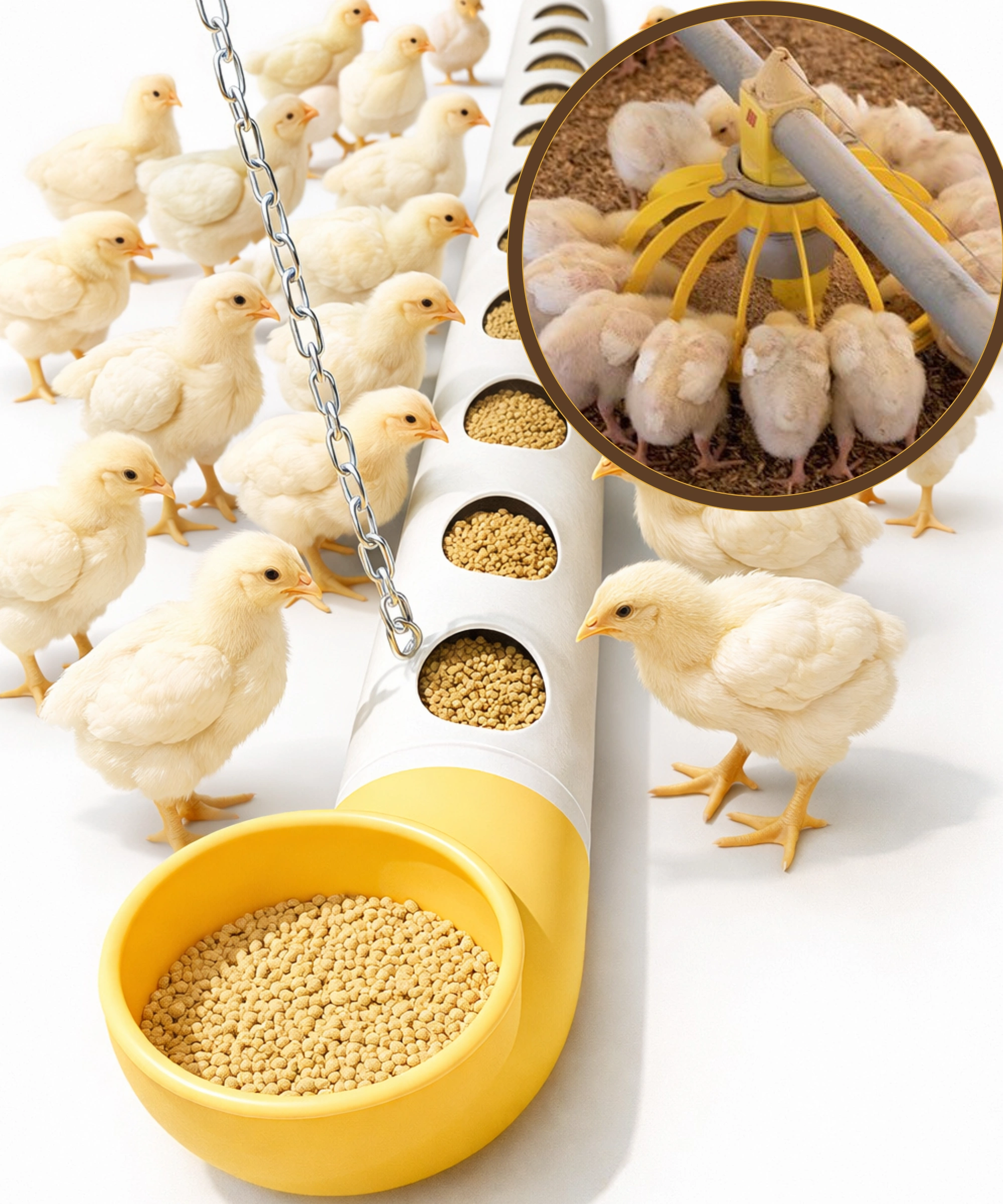
Raising chickens does not require expensive equipment or complex setups. Many effective solutions can be created using everyday items that would otherwise be thrown away. Repurposing household materials into chicken feeders is a practical way to save money, reduce waste, and promote sustainability on small farms and backyard coops.
One particularly effective idea is using old rubber boots as chicken feeders. This simple solution demonstrates how creativity and resourcefulness can improve flock management while supporting environmentally responsible farming practices.
Primary keyword: DIY chicken feeders
Why Use Recycled Items to Feed Chickens
Chicken feeding systems need to be functional, durable, and easy to clean. Many recycled materials meet these requirements surprisingly well. By reusing items already available, poultry keepers can lower costs and reduce dependence on commercial products.
Recycled feeders offer several advantages:
- Reduced equipment expenses
- Less environmental waste
- Increased self-sufficiency
- Custom solutions adapted to flock size and space
For small-scale and backyard chicken keepers, these benefits add up quickly.
Turning Old Rubber Boots into Chicken Feeders
Rubber boots are often discarded once worn out, but their shape and material make them well suited for use as feeders.
When properly prepared, a boot feeder:
- Holds dry feed securely
- Keeps food off the ground
- Reduces contamination from dirt and droppings
- Resists moisture and weather damage
Boot feeders can be attached to walls, fences, or wooden stakes, allowing chickens easy access while minimizing waste.
Benefits of DIY Boot Feeders
Cost Savings
Commercial chicken feeders can be expensive, especially for larger flocks. Repurposing old boots eliminates this cost entirely and allows funds to be used elsewhere on the farm.
Durability and Weather Resistance
Rubber boots are designed to withstand moisture, mud, and repeated use. This makes them well suited for outdoor coop environments where plastic containers may crack or degrade over time.
Reduced Feed Waste
Elevating feed in a boot feeder prevents chickens from scratching it into the ground. Keeping feed contained helps maintain cleanliness and reduces overall feed consumption.
Eco-Friendly Farming Practices
Using recycled materials keeps items out of landfills and reduces demand for new plastic products. This approach aligns well with sustainable and low-impact farming principles.
Safety Guidelines for Using Recycled Feeders
While recycled feeders are practical, safety must always come first.
Important precautions include:
- Clean boots thoroughly with soap and water before use
- Inspect for sharp edges, cracks, or loose materials
- Secure feeders firmly to prevent tipping
- Place feeders in sheltered areas to keep feed dry
- Ensure feed openings are appropriate for the size of the birds
For young chicks, feeders should be shallow and low to the ground to prevent injury or entrapment.
Other Recycled Materials for Chicken Feeders
In addition to rubber boots, many common items can be repurposed into effective feeders.
Popular options include:
- Plastic buckets with drilled openings
- Large plastic bottles hung upside down
- PVC pipes cut to size
- Old tires used as ground feeders
- Metal containers with smooth edges
Each option can be adapted based on flock size, coop layout, and available materials.
Maintaining DIY Chicken Feeders
Regular maintenance is essential to keep recycled feeders safe and hygienic.
Best practices include:
- Cleaning feeders at least once a week
- Removing damp or spoiled feed immediately
- Inspecting for wear or damage
- Rotating between homemade and commercial feeders if needed
Proper maintenance reduces the risk of bacterial growth and keeps chickens healthy.
Combining DIY and Commercial Feeding Systems
Recycled feeders do not need to replace commercial equipment entirely. Many poultry keepers use a combination of both to manage feeding efficiently.
This approach works well when:
- Expanding a flock
- Feeding chickens in multiple areas
- Managing different age groups
- Reducing congestion around feeders
Flexibility is key to maintaining a healthy and productive coop.
Why Small Farm Innovations Matter
Simple innovations like recycled chicken feeders demonstrate how small actions can make a meaningful impact. Reducing waste, saving money, and improving animal care all contribute to a more resilient and sustainable food system.
Creative reuse also encourages problem-solving skills and fosters a deeper connection to daily farm management.
Frequently Asked Questions
Are DIY chicken feeders safe for long-term use?
Yes, as long as they are properly cleaned, inspected, and maintained regularly.
Can recycled feeders attract pests?
Any feeder can attract pests if feed is left exposed. Keeping feeders elevated and removing spilled feed helps reduce this risk.
How many chickens can one boot feeder support?
This depends on boot size and flock behavior, but it works best for small groups or as a supplemental feeder.
Is it safe to use recycled plastic containers?
Yes, if they are food-safe plastics, thoroughly cleaned, and free from sharp edges.
Should feeders be inside or outside the coop?
Ideally, feeders should be placed in a covered area to protect feed from moisture and contamination.
My brother suggested I would possibly like this website. He used to be totally right. This submit actually made my day. You cann’t consider just how a lot time I had spent for this info! Thanks!
Some truly nice and utilitarian info on this web site, too I think the layout has got wonderful features.