

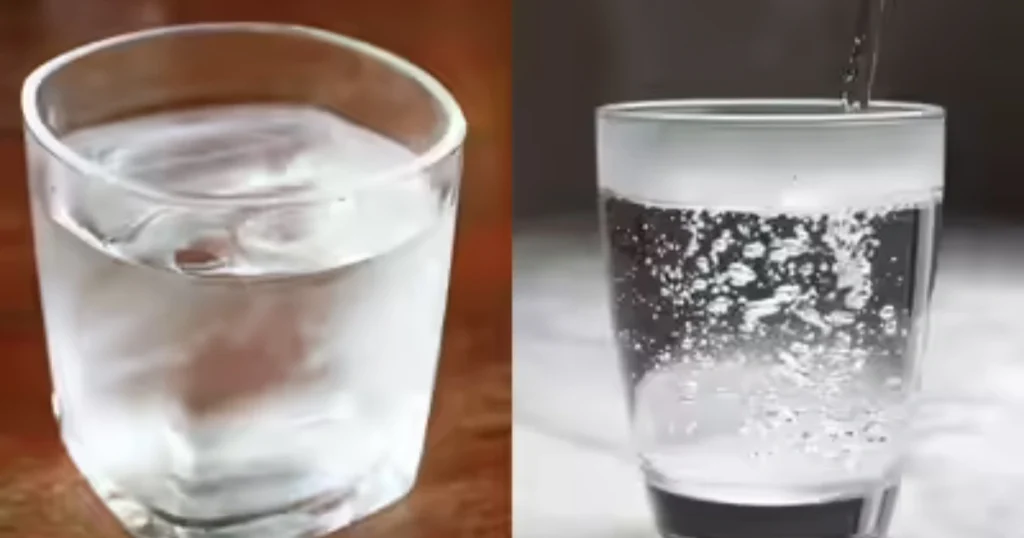
Choosing between cold water and warm water often depends on the moment. Both have benefits, and understanding how they affect your body can help you make the best choice for comfort and hydration.
❄️ Cold water: refreshing and cooling
Cold water feels especially refreshing on hot days or after physical activity. It helps lower body temperature quickly and can feel very energizing when you’re overheated.
🧊 Digestive effects
Very cold water may temporarily slow digestive processes. Some people notice mild discomfort if they drink ice-cold water during or immediately after meals.
☕ Warm water: gentle and soothing
Warm or lukewarm water is often easier on the stomach. Many people find it more comfortable in the morning or before meals, as it feels calming rather than shocking to the system.
🌿 Circulation and relaxation
Warm water can promote relaxation and support circulation, which may help the body feel more balanced and at ease over time.
A common habit to reconsider
Drinking large amounts of ice-cold water with meals can sometimes leave the stomach feeling unsettled. This doesn’t affect everyone, but listening to your body matters.
The takeaway
There’s no single “best” temperature for everyone. Cold water works well for cooling and refreshment, while warm water supports comfort and relaxation. What matters most is staying hydrated in a way that feels good for your body.