
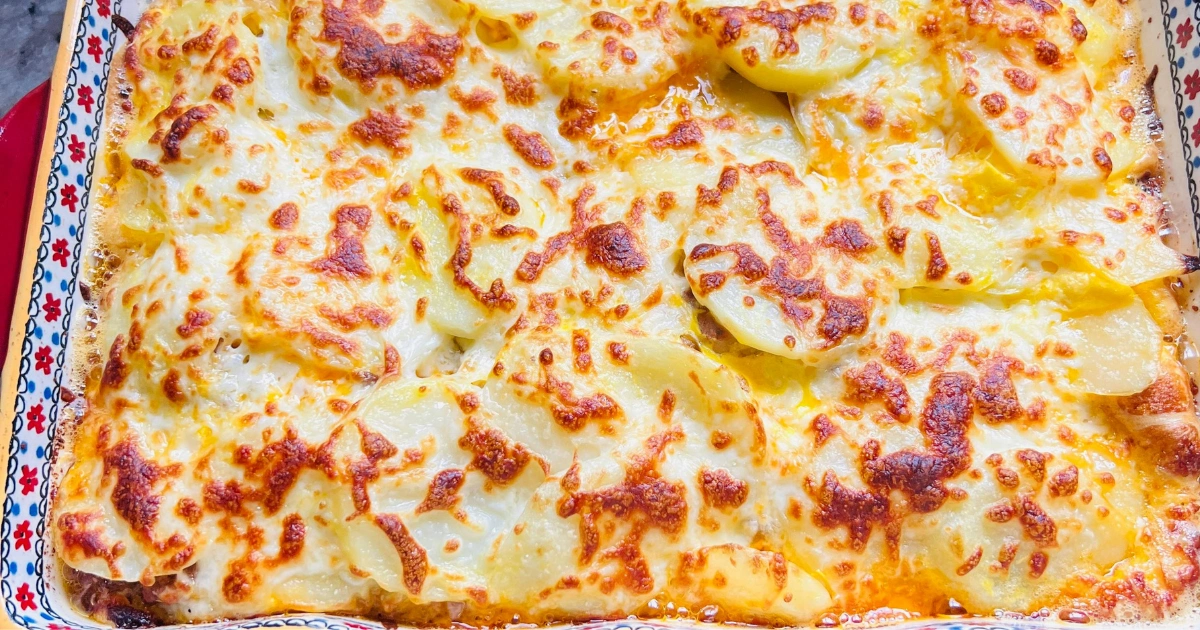
Few dishes deliver comfort quite like classic mac and cheese. With tender pasta, a velvety cheese sauce, and a golden baked crust, this timeless recipe turns simple ingredients into something unforgettable.
In this guide, you’ll learn how to make traditional baked mac and cheese from scratch, why the roux-based sauce matters, and how to get that irresistible cheesy stretch every time.
Primary keyword: classic mac and cheese
Related terms used naturally: homemade mac and cheese, baked macaroni and cheese, cheese sauce roux, creamy mac and cheese, oven-baked pasta, comfort food recipes
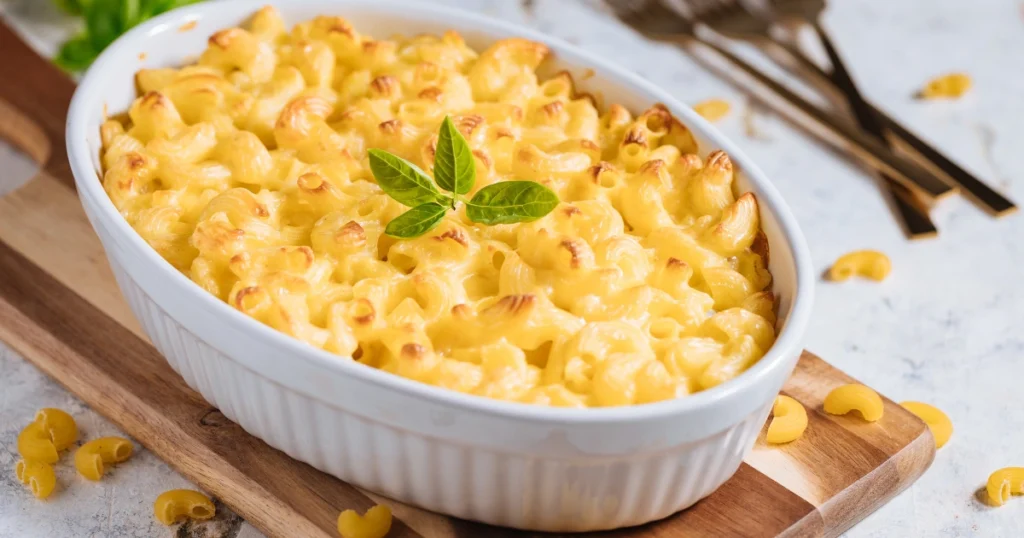
Why Homemade Mac and Cheese Beats Boxed Every Time
Boxed versions may be quick, but they can’t compete with real butter, milk, and freshly grated cheese.
When you make mac and cheese at home, you control:
- The richness of the sauce
- The type and quality of cheese
- The level of creaminess
- The crispness of the baked topping
A classic homemade version uses a butter-flour roux to create a smooth base before adding milk and cheese. This technique produces a sauce that coats every noodle instead of pooling at the bottom of the dish.
The result is balanced, creamy, and deeply flavorful.
The Core Ingredients for Classic Mac and Cheese
This traditional recipe relies on pantry staples:
- Elbow macaroni
- Whole milk
- Butter
- All-purpose flour
- Sharp cheddar cheese
- Parmesan for topping
- Salt and pepper
Each ingredient plays a role:
Macaroni provides structure.
Butter and flour create thickness.
Milk adds silkiness.
Sharp cheddar delivers bold flavor.
Parmesan forms a crisp, savory crust.
Using sharp cheddar is key. Mild cheeses melt well but lack intensity, while sharper varieties give depth without overpowering the dish.
Understanding the Roux: The Foundation of Creamy Cheese Sauce
The secret to classic mac and cheese is the roux.
A roux is made by cooking equal parts butter and flour until bubbly. This step removes the raw flour taste and prepares the mixture to absorb liquid smoothly.
Once milk is gradually whisked in, the roux transforms into a béchamel-style sauce. Adding cheese at this stage creates a rich, stable emulsion that won’t separate during baking.
Skipping the roux often leads to grainy or oily results.
Step-by-Step Overview of the Classic Method
Here’s the basic process used by professional kitchens and home cooks alike:
- Boil pasta in salted water until just al dente
- Melt butter and whisk in flour to form a roux
- Slowly add milk, stirring until thickened
- Fold in shredded cheddar until smooth
- Combine sauce with pasta
- Transfer to baking dish
- Top with Parmesan
- Broil or bake until bubbly and golden
This method creates layers of flavor while keeping the pasta perfectly coated.
Why Baking Makes Mac and Cheese Better
Stovetop mac and cheese is creamy, but baking adds dimension.
Oven heat:
- Melds flavors together
- Creates a lightly crisp top
- Adds visual appeal
- Improves texture contrast
A short broil at the end forms that signature browned cheese crust that makes classic baked macaroni and cheese so satisfying.
Tips for Perfect Texture Every Time
Even simple recipes benefit from technique.
Follow these expert tips:
- Slightly undercook pasta so it doesn’t become mushy while baking
- Always grate cheese fresh to prevent anti-caking agents from affecting melt quality
- Add milk gradually to avoid lumps
- Remove sauce from heat before adding cheese to prevent separation
- Season lightly at each stage instead of all at once
These small steps make a big difference in the final dish.
Cheese Variations That Still Keep It Classic
While sharp cheddar is traditional, you can enhance flavor by blending cheeses:
- Cheddar + Gruyère for nuttiness
- Cheddar + Monterey Jack for extra melt
- Cheddar + mozzarella for stretch
Avoid pre-shredded cheese when possible. Freshly grated melts more smoothly and tastes better.
Make-Ahead and Storage Tips
Classic mac and cheese stores well.
To prepare in advance:
- Assemble fully but don’t bake
- Cover tightly and refrigerate up to 24 hours
- Bake straight from fridge, adding 10–15 minutes
Leftovers keep for 3–4 days refrigerated in an airtight container.
Reheat gently with a splash of milk to restore creaminess.
Nutritional Perspective
Mac and cheese is indulgent, but portion control and ingredient quality matter.
According to Harvard School of Public Health, pairing refined carbs with protein and fat slows digestion and helps manage blood sugar levels. Adding vegetables like broccoli or spinach can also improve nutritional balance.
FAQ: Classic Mac and Cheese
Why does my cheese sauce turn grainy?
This usually happens when cheese is added over high heat. Always remove the pot from heat before stirring in cheese.
Can I use low-fat milk?
Whole milk produces the creamiest texture. Low-fat versions may result in thinner sauce.
What pasta shapes work besides elbows?
Shells, cavatappi, or rotini hold sauce well and are great alternatives.
Can I freeze baked mac and cheese?
Yes. Cool completely, wrap tightly, and freeze up to two months. Thaw overnight before reheating.
How do I keep mac and cheese from drying out?
Cover loosely while reheating and add a small amount of milk before warming.
External Authority Sources
For deeper culinary science and nutrition insights, consider referencing:
- USDA Dairy Nutrition Resources
https://www.usda.gov - Harvard T.H. Chan School of Public Health on carbohydrates and fats
https://www.hsph.harvard.edu - Kansas State University on sauce thickening and roux techniques
https://www.ksre.k-state.edu
These are high-authority, non-commercial sources suitable for educational linking.
Internal Linking Suggestions for secretsofthegreengarden.com
To strengthen topical relevance, connect this article with:
- Homemade Comfort Food Recipes
- Easy Oven-Baked Dinners
- Beginner Cooking Basics
These links help build a cohesive food content cluster.
Final Thoughts
Classic mac and cheese isn’t complicated, but technique matters. By starting with a proper roux, using quality cheese, and finishing in the oven, you create a dish that’s creamy inside and golden on top.
Whether served as a main course or a side, this timeless recipe proves that simple ingredients can deliver extraordinary comfort.
I know this web page provides quality based articles or reviews and additional stuff,
is there any other website which provides these information in quality?
browse products here – The site offers great breakfast options and creative ideas to try.
official buying hub – Lots of items available and checkout was smooth and fast.
rare timepiece store – Distinctive watches and smart pricing make it a favorite spot.
secure order link – The whole transaction was easy and I liked receiving timely dispatch updates.
FontFoundry Marketplace – Clean and intuitive layout with great font examples makes exploring enjoyable.
click to browse – Everything is easy to navigate and the product descriptions were very helpful.
FontFoundry Hub – Stunning designs and smooth browsing make finding fonts enjoyable today.
trusted office store – I appreciated the structured pages and clear product info while picking items.
shopping destination – High-quality workout products with well-presented shipping guidance.
official shop link – Price comparison and item tracking was quick and effortless.
Nearby Needs curated picks – Clean pages and practical structure make browsing effortless.
Nearby Needs quick shop – Very accessible and designed for a smooth local shopping experience.
browse Nearby Needs items – Local-friendly design with easy access to essentials.
Nearby Needs featured items – The site layout is clear, practical, and ideal for everyday needs.
Nearby Needs local shop – The concept feels convenient and the pages load cleanly.
Nearby Needs Store – Convenient layout with easy-to-use pages makes shopping stress-free.
m3fn8j