
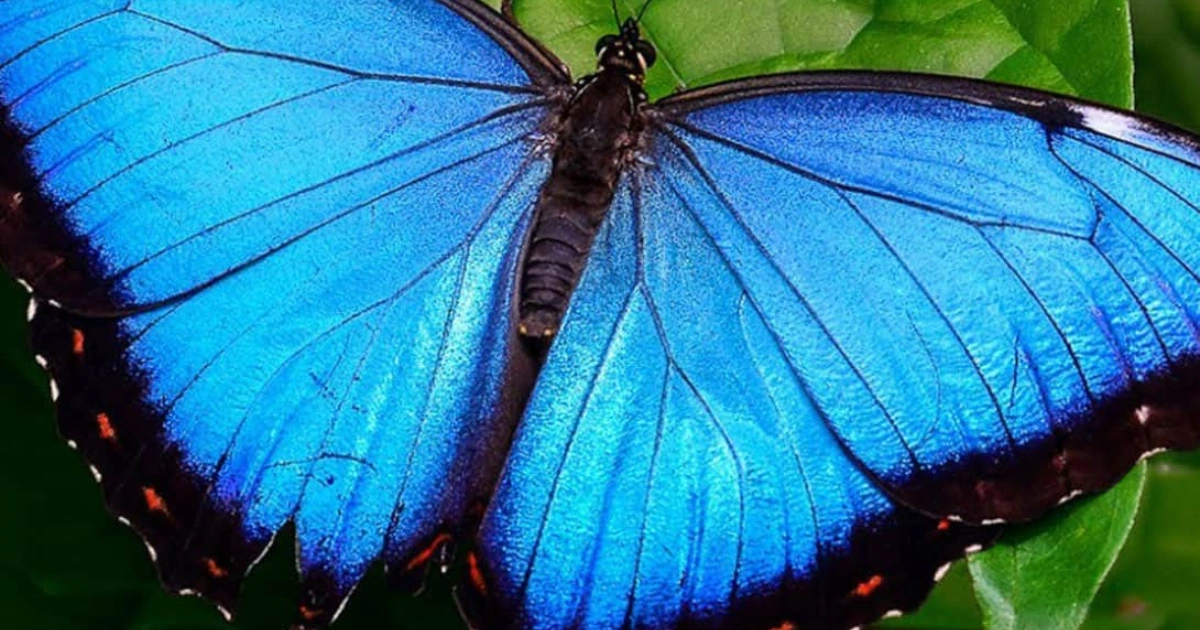
Butterflies have fascinated humans for centuries. Their transformation from caterpillar to winged adult has made them powerful symbols across cultures, religions, and belief systems. In many traditions, butterfly colors are associated with symbolic messages related to emotions, personal growth, protection, and life changes.
This article explores the commonly shared symbolic meanings of butterfly colors, explains where these interpretations come from, and clarifies how to view them with balance and awareness. Rather than presenting fixed truths, this guide focuses on cultural symbolism, personal reflection, and mindful interpretation.
Why Butterflies Hold Symbolic Meaning
Butterflies are often linked to transformation because of their life cycle. This visible process of change has inspired associations with:
- Personal growth and renewal
- Transitions between life stages
- Emotional and spiritual awareness
- Fragility combined with resilience
In folklore and modern spiritual narratives, butterflies are sometimes viewed as symbolic messengers rather than literal signs.
Understanding Symbolism Versus Belief
It is important to note that butterfly meanings are symbolic and cultural, not scientific facts. Interpretations vary depending on tradition, region, and personal belief systems. Many people find comfort or inspiration in symbolism, while others simply enjoy butterflies as vital pollinators and indicators of environmental health.
Common Symbolic Meanings of Butterfly Colors
White Butterfly Meaning
White butterflies are often associated with peace, purity, and protection in symbolic traditions. In some cultures, they represent calm moments, reassurance, or a sense of guidance during uncertain periods.
People may interpret seeing a white butterfly as a reminder to slow down, trust the process, or feel supported emotionally.
Yellow Butterfly Meaning
Yellow butterflies are commonly linked to optimism, prosperity, and positive energy. Their bright color naturally evokes warmth, sunlight, and vitality.
Symbolically, yellow butterflies are often associated with:
- New opportunities
- Personal growth
- Creative energy
- A hopeful outlook on life
Blue Butterfly Meaning
Blue butterflies are rarer in nature, which contributes to their symbolic association with intuition, insight, and reflection. In spiritual narratives, they are sometimes connected to calm communication and emotional clarity.
Symbolically, blue butterflies may represent:
- Inner guidance
- Emotional balance
- Trust in personal intuition
Orange Butterfly Meaning
Orange butterflies are often associated with enthusiasm, joy, and forward movement. Their color blends the warmth of red with the optimism of yellow, making them symbols of motivation and creative expression.
People may associate orange butterflies with:
- Personal achievements
- Renewed confidence
- Social energy and enthusiasm
Red Butterfly Meaning
Red butterflies are commonly linked to strength, vitality, and protection in symbolic interpretations. The color red is often associated with passion, courage, and survival.
Symbolically, a red butterfly may represent:
- Emotional intensity
- Protective energy
- Encouragement during challenging times
Green Butterfly Meaning
Green butterflies are often associated with balance, renewal, and harmony. Because green is strongly connected to nature, growth, and healing, it is commonly viewed as a symbol of restoration.
Symbolic associations may include:
- Emotional balance
- Renewal and patience
- Hope and stability
What About Other Butterfly Colors
Brown or Black Butterflies
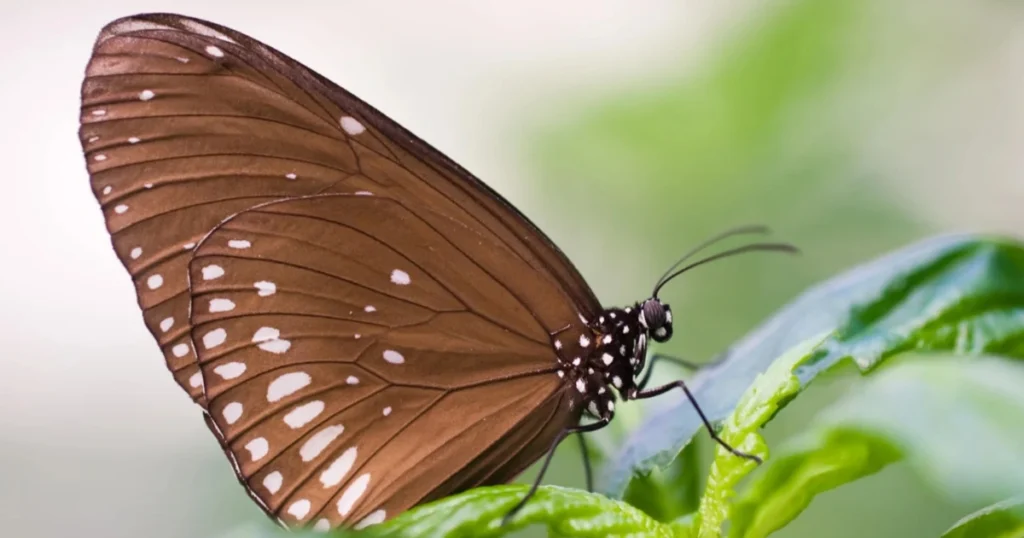
Some people ask about darker-colored butterflies, such as brown or black. These butterflies are common in nature and play essential ecological roles. Symbolically, darker colors are sometimes linked to introspection, mystery, or transition rather than negative meanings.
Cultural interpretations vary widely, and there is no universal symbolism attached to darker butterflies.
Psychological Reasons People Find Meaning in Butterflies
Humans naturally seek meaning in patterns and experiences. Seeing a butterfly during an emotional moment can feel significant because:
- Butterflies are visually striking
- Encounters are often brief and memorable
- They appear unexpectedly
This does not make the experience invalid. Symbolism often serves as a tool for reflection rather than prediction.
Nature-Based Interpretation Versus Spiritual Claims
It is important to maintain clarity between symbolic reflection and factual claims. Butterfly symbolism should not be used to:
- Predict future events
- Replace medical or professional advice
- Create fear or dependency on signs
Healthy interpretation focuses on personal meaning, mindfulness, and emotional awareness.
The Ecological Importance of Butterflies
Beyond symbolism, butterflies play a crucial role in ecosystems. They act as pollinators and serve as indicators of environmental health. Declining butterfly populations worldwide highlight the importance of habitat protection and biodiversity.
Supporting butterfly populations includes:
- Planting native flowers
- Avoiding pesticides
- Preserving green spaces
How to Reflect on Symbolic Encounters Mindfully
If you notice butterflies frequently or feel drawn to their symbolism, consider these reflective approaches:
- Observe your emotions at the moment
- Reflect on current life transitions
- Use the experience as a pause for awareness
- Avoid attaching absolute meanings
Symbolism works best as inspiration, not instruction.
Frequently Asked Questions
Do butterfly colors really carry messages
Butterfly color meanings are symbolic interpretations rooted in culture and personal belief. They are not scientific facts or universal truths.
Is seeing a butterfly a spiritual sign
Some people interpret butterfly encounters symbolically, while others view them as natural experiences. Both perspectives are valid.
What does it mean if a butterfly enters your home
Cultural interpretations vary widely. Scientifically, butterflies may enter homes due to light, temperature, or open windows.
Are rare-colored butterflies more meaningful
Rarity can make encounters feel special, but rarity does not imply a greater symbolic message.
Can butterfly symbolism replace professional guidance
No. Symbolic interpretations should never replace medical, psychological, or professional advice.
Internal Linking Suggestions
To strengthen topical relevance on secretsofthegreengarden.com, consider linking this article with:
- “The Spiritual Meaning of Garden Animals”
- “How Nature Symbols Influence Emotional Well-Being”
- “Creating a Butterfly-Friendly Garden at Home”
These topics complement symbolic interpretation while maintaining a nature-based focus.
External Authoritative Sources
For additional context and factual information, consider referencing:
- National Geographic on butterfly behavior and ecology
https://www.nationalgeographic.com - Smithsonian National Museum of Natural History on butterfly species and habitats
https://naturalhistory.si.edu - World Wildlife Fund on pollinators and conservation
https://www.worldwildlife.org
Final Thoughts
Butterfly color symbolism is best understood as a cultural and reflective framework rather than a set of literal messages. Whether you see butterflies as symbols of transformation or simply appreciate their beauty, they offer a moment to pause, observe, and reconnect with nature.
By combining symbolic curiosity with ecological awareness, we can appreciate butterflies in a grounded, meaningful, and respectful way that honors both imagination and reality.
Thanks for any other wonderful post. Where else could anybody get that kind of information in such an ideal approach of writing?
I have a presentation next week, and I’m at the search for such information.
“???????????????????????????! https://kandao-jp.com/
?KanDao?????????????????????????????????????????360°????????????????????AI???????????????????????????KanDao?????????????”
blog link https://seenfil.com
moved here
Explore Beijing and Xi’an in 6 days
I don’t even know how I ended up here, but I thought this post was great.
I don’t know who you are but definitely you are
going to a famous blogger if you aren’t already 😉 Cheers!
Телефон электрика Севастополь Электрик Севастополь
фриланс в интернете Онлайн работа — будущее уже здесь.
Главная магазин black sprut
Каждый из этих симптомов по отдельности уже опасен, а в сочетании они создают высокий риск для жизни. Самостоятельные эксперименты с таблетками, резкий отказ от алкоголя «через силу» или попытка «переспать» запой без медицинского контроля могут обернуться реанимацией. Гораздо безопаснее вовремя вызвать специалиста и провести детоксикацию под наблюдением, особенно когда речь идёт о жителях крупного города, где доступна профессиональная наркологическая помощь.
Узнать больше – http://vyvod-iz-zapoya-moskva011.ru
можно проверить ЗДЕСЬ Оптимизация ндс
?????????????????????????!https://xgaghb-jp.com/??????????????????????????????????????MP3??????????????????????????????????????????????????????????XGAGHB????????????????????????
Hanging jackets or backpacks becomes smoother with a reliable hook. https://thepruite.com/ hooks never wobble under weight. I appreciate how simple it makes everyday organization. Each corner feels a little sharper and calmer because of them.