
Introduction
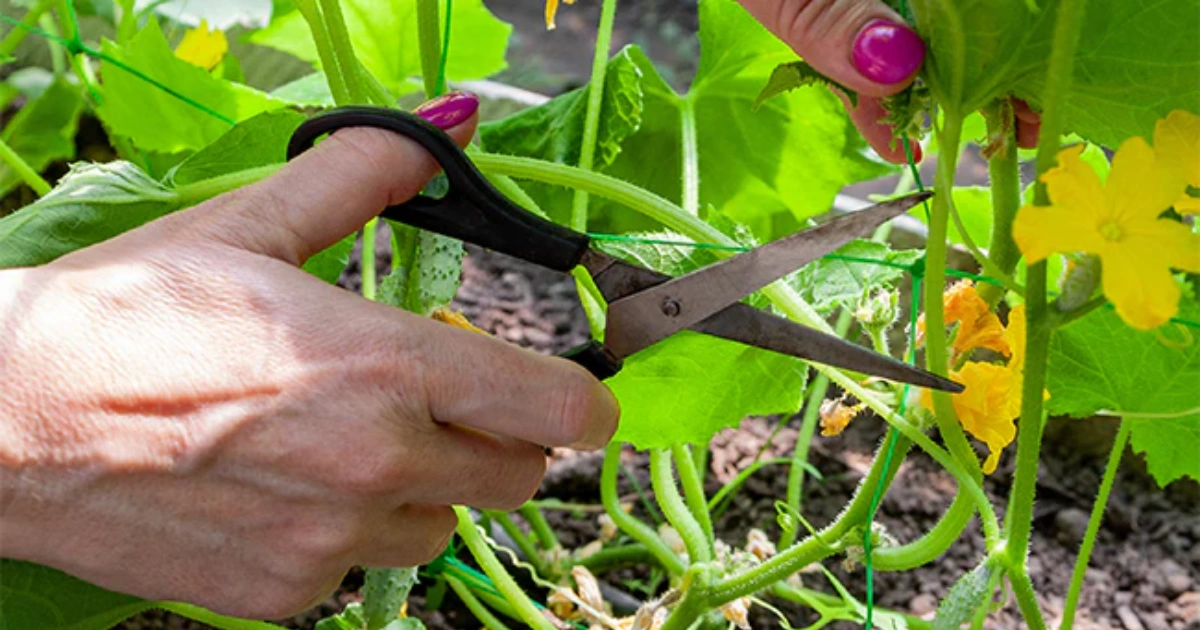
Pruning may seem like an odd practice—cutting back a plant to encourage more growth—but it’s a gardener’s secret to a flourishing vegetable patch! This effective technique, often used for larger plants like fruit trees, can also be incredibly beneficial for vegetables. By pruning your crops, you redirect their energy into producing more fruit, while simultaneously improving plant health. Whether you’re a seasoned gardener or a novice, mastering pruning is essential to maximizing your harvest and promoting healthier, more productive plants.
Understanding the Basics of Pruning
Pruning is simply the act of selectively removing parts of a plant, like dead stems, leaves, or flowers, to promote healthier growth and higher yields. The primary goals of pruning are:
- Improved Air Circulation: Removing excessive foliage enhances airflow, reducing the risk of fungal diseases and promoting better plant health.
- Increased Light Penetration: Trimming dense areas ensures that sunlight reaches all parts of the plant, improving photosynthesis.
- Focused Energy: Pruning redirects the plant’s energy towards fruit and flower production, rather than wasted growth in non-productive areas.
- Disease Management: By cutting off diseased or damaged parts, you prevent infections from spreading to healthy sections of the plant.
Vegetables That Benefit from Pruning
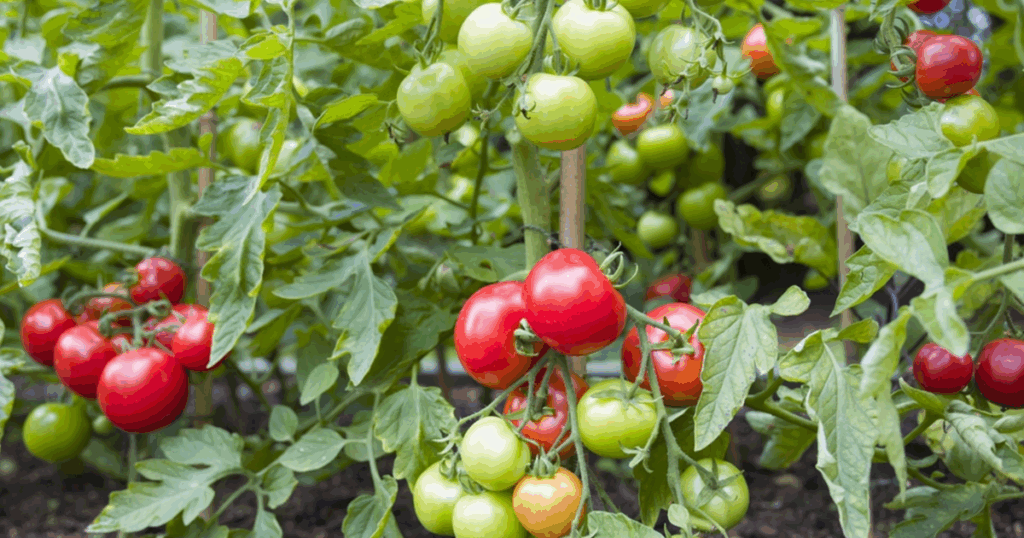
1. Tomatoes (Indeterminate Varieties)
- When to Prune: Start when the plant is about 10–12 inches tall.
- How to Prune: Remove suckers (the shoots between the main stem and branches) to encourage upward growth and better airflow. Be careful not to over-prune, as this can damage the plant and expose it to sunscald.
- Benefits: Pruning promotes larger, healthier fruit and reduces the risk of disease.
2. Peppers
- When to Prune: Once the plant reaches 8–10 inches tall.
- How to Prune: Trim the top to encourage bushier growth, and remove any lower leaves that are touching the soil.
- Benefits: Enhances fruit production and reduces the risk of soil-borne diseases.
3. Basil
- When to Prune: After the plant has developed 4–6 true leaves.
- How to Prune: Pinch off the top leaves just above a leaf pair to encourage branching.
- Benefits: Regular pruning prevents basil from flowering too early, allowing for a fuller, bushier plant with longer-lasting leaves.
4. Zucchini
- When to Prune: Throughout the growing season.
- How to Prune: Remove large, lower leaves to improve air circulation and reduce the risk of powdery mildew.
- Benefits: Pruning helps increase fruit production and improves plant health by allowing sunlight to reach the plant’s lower areas.
5. Cucumbers (Vining Types)
- When to Prune: Start early in the growing season.
- How to Prune: Trim side shoots and remove any yellowing leaves that don’t contribute to fruit production.
- Benefits: Pruning helps improve air circulation, reduce overcrowding, and increase fruit production.
6. Beans (Pole Beans)
- When to Prune: During the growing season.
- How to Prune: Lightly trim the vines to manage growth and promote more vigorous flower production.
- Benefits: Helps improve yield and plant health by preventing overcrowding.
7. Squash (Summer & Winter Types)
- When to Prune: Throughout the growing season.
- How to Prune: Remove excessive foliage to improve air circulation and reduce the risk of mildew.
- Benefits: Pruning improves plant health and increases fruit production.
8. Herbs Like Mint & Oregano
- When to Prune: Regularly throughout the growing season.
- How to Prune: Pinch off tips to encourage bushier growth and prevent flowering.
- Benefits: Helps promote more flavorful herbs and extends the harvest season.
9. Eggplant
- When to Prune: Throughout the growing season.
- How to Prune: Remove side shoots and lower leaves to improve airflow and focus the plant’s energy on producing larger fruit.
- Benefits: Improves plant health and fruit quality by ensuring energy is directed towards fewer but larger fruits.
Pruning Techniques and Best Practices
- Use Clean Tools: Always clean and disinfect your pruning tools before use to avoid spreading diseases.
- Prune Early in the Day: It’s best to prune early in the morning, after the dew has dried, but before the heat of the day sets in. This allows plants to recover without the stress of midday sun.
- Remove Diseased Parts: Cut away any parts showing signs of disease to prevent the spread to the rest of the plant.
- Avoid Over-Pruning: Never remove more than one-third of a plant’s foliage at a time. Too much pruning can cause excessive stress, weakening the plant.
- Monitor Plant Response: After pruning, observe how your plants react and adjust future pruning as needed to ensure healthy growth.
Common Mistakes to Avoid
- Pruning at the Wrong Time: Make sure to prune at the right time of year for each plant. For example, avoid pruning spring-blooming plants in the fall, as this can interfere with the plant’s growth cycle.
- Using Dull or Dirty Tools: Dull blades can cause ragged cuts, and dirty tools can spread disease. Always ensure your tools are sharp and sanitized before pruning.
- Over-Pruning: Over-pruning can stress the plant, leaving it vulnerable to pests and diseases.
- Ignoring Plant Type: Different plants require different pruning techniques. Always research your specific plant type before pruning to avoid mistakes.
Benefits of Proper Pruning
- Increased Yield: Pruning redirects the plant’s energy towards producing fruit, leading to a more abundant harvest.
- Improved Plant Health: Regularly removing diseased or damaged parts helps the plant stay healthy and strong.
- Better Quality Produce: Pruned plants tend to produce larger, more flavorful fruits and vegetables.
- Enhanced Aesthetics: Well-pruned plants are more visually appealing and easier to manage, improving the overall look of your garden.
Seasonal Tips for Pruning
- Spring: Prune dead or damaged parts to encourage healthy growth. This is also a good time to shape plants for the growing season.
- Summer: Lightly prune to maintain shape, encourage new growth, and remove spent flowers.
- Fall: After the growing season, prune to prepare your plants for dormancy. Remove any remaining diseased parts.
- Winter: In areas with mild winters, light pruning can be done to maintain shape and remove any dead material.
Tools and Materials Checklist
- ✂️ Pruning Shears: For cutting stems and leaves.
- 🧤 Garden Gloves: To protect your hands during pruning.
- 🧴 Sanitizing Solution: To disinfect tools before and after use.
- 🧵 Garden Twine or Stakes: For supporting pruned plants.
- 🪣 Bucket or Bag: For collecting pruning debris.
- 🌿 Mulch or Compost: To help your plants recover after pruning.
FAQs
Q1: Can I prune my vegetable plants too much?
- A1: Yes, over-pruning can stress the plant, leaving it vulnerable. Always leave at least two-thirds of the plant’s foliage intact.
Q2: When is the best time to prune?
- A2: The best time to prune is early morning, before the heat of the day, so plants can recover from the pruning without additional stress.
Q3: Do all vegetables need pruning?
- A3: Not all, but many benefit from selective pruning. Crops like tomatoes, peppers, cucumbers, and beans can all benefit from pruning to improve airflow and fruit production.
Q4: How can I tell if my plant needs pruning?
- A4: Look for signs of disease, overcrowding, or parts of the plant that are not producing fruit. If any parts are damaged or diseased, it’s time to prune.
Q5: Can I prune herbs like basil and mint?
- A5: Yes! Regular pruning of herbs like basil and mint encourages bushier growth and prevents them from becoming leggy.
Conclusion
Pruning is an essential skill that every gardener should master to boost plant health and increase yield. By understanding the specific needs of each crop and applying the right pruning techniques, you can create a thriving vegetable garden that produces fresh, abundant harvests. Remember, pruning isn’t just about cutting; it’s about making thoughtful decisions that improve the plant’s overall health and productivity. Happy gardening!
amoxil canada – comba moxi cheap amoxicillin for sale
order diflucan 100mg pill – https://gpdifluca.com/# buy diflucan no prescription
cenforce 50mg uk – https://cenforcers.com/# buy cheap cenforce
tadalafil citrate research chemical – ciltad genesis cialis free trial phone number
cialis purchase – https://strongtadafl.com/ can you drink wine or liquor if you took in tadalafil
sildenafil 100mg tablets – click cheap viagra next day
This is the tolerant of post I turn up helpful. amoxil para que es
Thanks for sharing. It’s acme quality. https://buyfastonl.com/azithromycin.html
The sagacity in this piece is exceptional. https://ursxdol.com/propecia-tablets-online/
More posts like this would make the blogosphere more useful. https://prohnrg.com/product/orlistat-pills-di/
Greetings! Very useful recommendation within this article! It’s the scarcely changes which will make the largest changes. Thanks a a quantity in the direction of sharing! aranitidine.com
Good blog you have here.. It’s obdurate to assign strong calibre belles-lettres like yours these days. I honestly comprehend individuals like you! Rent mindfulness!! https://ondactone.com/product/domperidone/
Thanks for putting this up. It’s understandably done.
cheap nexium
The thoroughness in this section is noteworthy. http://furiouslyeclectic.com/forum/member.php?action=profile&uid=24634
brand forxiga – https://janozin.com/ buy forxiga online cheap
order orlistat generic – xenical for sale buy orlistat online cheap
I’ll certainly carry back to review more. https://myvisualdatabase.com/forum/profile.php?id=118749
You can shelter yourself and your dearest by way of being heedful when buying prescription online. Some pharmaceutics websites operate legally and put forward convenience, solitariness, rate savings and safeguards over the extent of purchasing medicines. buy in TerbinaPharmacy https://terbinafines.com/product/reglan.html reglan
Proof blog you have here.. It’s severely to espy elevated worth belles-lettres like yours these days. I honestly respect individuals like you! Take guardianship!! TerbinaPharmacy
More articles like this would frame the blogosphere richer.
https://t.me/s/officials_pokerdom/4050
https://t.me/s/dragon_money_mani
Wir zeigen euch nicht nur, welche Casinos wirklich empfehlenswert sind, sondern erklären auch unsere Test-
und Vergleichskriterien, damit ihr fair und sorgenfrei spielen könnt.
Von klassischen Tischspielen über aufregende Slot Casino Spiele bis hin zu
innovativen Live-Casino-Erfahrungen, gibt es etwas für jeden Geschmack
und jedes Interesse. Spieler können die Spannung eines realen Casinos
erleben, während sie bequem von zu Hause aus spielen. Diese beinhalten Willkommensboni, Freispiele
und spezielle Aktionen, die das Spielerlebnis verbessern und die Gewinnchancen erhöhen. Die Verifizierung mittels PayPal-Daten ist ein gängiges Verfahren in deutschen Online Casinos.
Die StarGames-App ist ein perfektes Beispiel für ein mobiles Online Casino, das Spielern die Freiheit gibt, unterwegs zu spielen.
Besonders beliebt sind die neuesten Spielautomaten, die regelmäßig aktualisiert werden und exklusive Themen bieten. Mit diesen Vorteilen ist Dundeeslots eine ausgezeichnete
Wahl für alle Casino-Enthusiasten. Die Website ist zudem für die mobile Nutzung
optimiert, sodass Spieler auch unterwegs ihre Lieblingsspiele genießen können. Ein weiterer
Pluspunkt von Dundeeslots ist die hohe Sicherheit und der Datenschutz, die den Spielern ein sicheres Spielerlebnis garantieren. Dundeeslots belegt den dritten Platz
und begeistert Spieler mit einem umfangreichen Angebot an über 300 Spielautomaten.
References:
https://online-spielhallen.de/snatch-casino-bonus-codes-ihr-umfassender-leitfaden/
The maximum withdrawal per transaction is A$7.500. In both cases,
this is faster compared to most casinos. According to the main page, the usual transaction time is 10 minutes.
SkyCrown withdrawal methods are a little different. If you
still have any questions, feel free to contact online helpers to find the answer or problem solution. Moreover, the casino is not available in all countries.
Then, the more you deposit the more you get as a bonus.
The minimum total deposit in order to qualify for a bonus next
Monday is $75, but this can be spread over multiple deposits.
Cash Boost Weekly ChallengeEvery Monday you will get a bonus, and
how much you get depends on how much you deposited the previous week.
If you win more than this, any superseding amount will be deducted from your account before a withdrawal
can be made.
References:
https://blackcoin.co/national-casino/
OpenAI has not revealed technical details and statistics about GPT-4, such as the precise
size of the model. Later reports showed the bug was much more severe than initially believed, with OpenAI reporting
that it had leaked users’ “first and last name, email address, payment address, the last four digits (only) of a credit card number, and credit card expiration date”.
Shortly after the bug was fixed, users could not see their
conversation history. In March 2023, a bug allowed some users to see the titles of other
users’ conversations. Despite this, users may jailbreak
ChatGPT with prompt engineering techniques to bypass these restrictions.
ChatGPT is programmed to reject prompts that may violate its content policy.
OpenAI collects data from ChatGPT users to further train and fine-tune its services.
OpenAI’s outsourcing partner was Sama, a training-data company based in San Francisco, California.
These labels were used to train a model to
detect such content in the future.
References:
https://blackcoin.co/live-casinos-in-australia/
online casino australia paypal
References:
body-positivity.org
online casino usa paypal
References:
https://trabajaensanjuan.com/employer/paypal-roulette:-play-online-roulette-with-paypal-for-real-money
real money casino app
best online gaming sites
online casino minimum deposit
mgm sports betting app mgm sportsbook login betmgm DE
Ignite passions with fiery tournaments and leagues. In what is crowncoins, league play fosters rivalry. Compete fiercely and claim glory!
Discover why players love Sweet Bonanza: endless tumbles, scatters, and huge win potential. Free spins sweet bonanza bonus with bombs = massive multipliers. Dive in!
Feel the thunder of the plains in every spin of this legendary game. buffalo gold revolution unleashes golden buffalo bonuses, endless free spins, and massive payouts for non-stop excitement. Start your stampede to fortune today!
chumba casino free sweeps — free Sweeps Coins, premium slots, real cash prizes. Join thousands of happy players and claim your welcome bonus now. Play today!
The casino that turned $0.20 into $2,000,000+ live on stake bonus stream — multiple times. Anything can happen here.
DraftKings new games Casino: Crown your wins today. Play $5 for 500 spins on Cash Eruption + up to $1,000 in first-day credits back. Real thrills, real rewards!
Nejlepsi generika na trhu – overte si to na opravdovalekarna.cz
Glucophage rychle dodani
Connect the millions enchanting strapping on fanduel casino new jersey – the #1 natural pelf casino app in America.
Pick up your $1000 PLAY IT AGAIN gratuity and deny b decrease every relate, hand and rolling into real coin of the realm rewards.
Firm payouts, gigantic jackpots, and continuous action – download FanDuel Casino any longer and start playing like a pro today!