
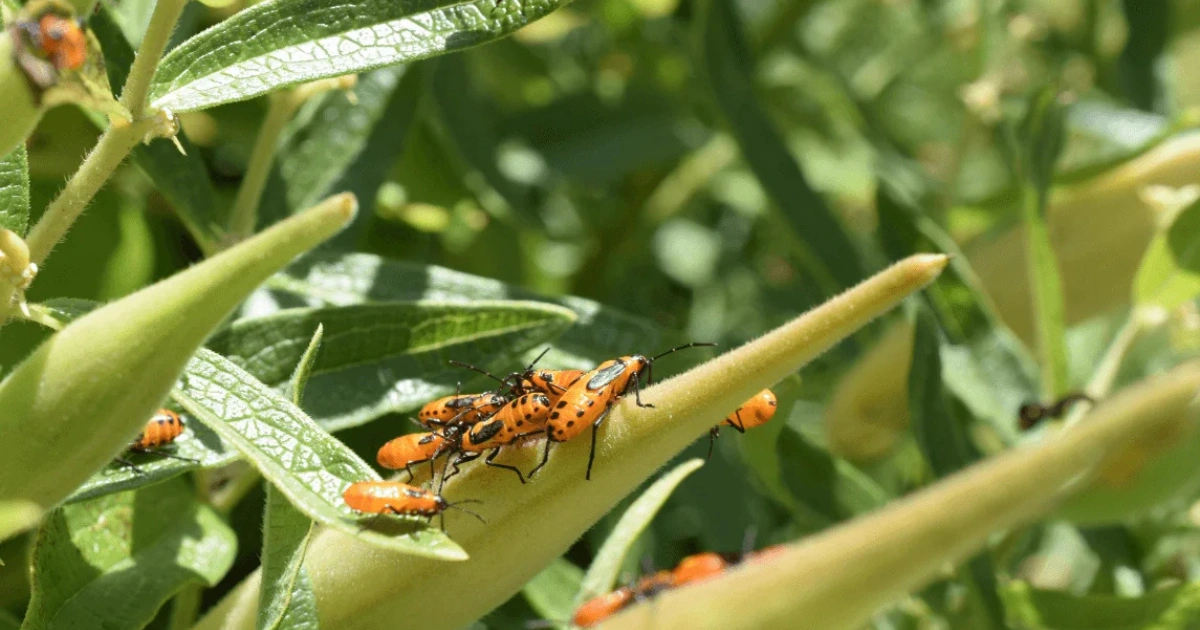
Creating a thriving garden is not only about soil, water, and sunlight. One of the most powerful tools for a healthy ecosystem is often overlooked: beneficial insects. These tiny allies play a crucial role in controlling pests, improving pollination, and maintaining ecological balance without the need for chemical interventions.
In this guide, you will discover how beneficial insects for your garden can transform your growing space into a resilient, productive, and environmentally friendly environment.
What Are Beneficial Insects?
Beneficial insects are species that provide valuable services to gardeners and farmers. They typically fall into two main categories:
- Predators: Insects that feed on harmful pests
- Pollinators: Insects that help plants reproduce by transferring pollen
By encouraging these insects, you can reduce pest populations naturally while improving crop yields and plant health.
Why Beneficial Insects Matter in Gardening
Using beneficial insects for your garden is a cornerstone of sustainable gardening. These insects reduce reliance on pesticides and support biodiversity.
Key benefits include:
- Natural pest control without chemicals
- Increased pollination and fruit production
- Improved soil and ecosystem health
- Reduced gardening costs over time
Unlike chemical treatments, beneficial insects create long-term balance rather than temporary solutions.
Top Beneficial Insects Every Garden Needs
Ladybugs: Natural Aphid Control Experts
Ladybugs, especially the seven-spotted variety, are among the most effective pest controllers.
They feed on:
- Aphids
- Scale insects
- Mites
A single ladybug can consume dozens of aphids daily, making them invaluable for protecting vegetables and ornamentals.
Honey Bees: Essential Pollinators
Honey bees are responsible for pollinating a large percentage of crops worldwide.
Their role includes:
- Increasing fruit and vegetable yields
- Improving plant reproduction
- Supporting biodiversity
Without pollinators like bees, many plants would struggle to produce harvestable crops.
Green Lacewings: Silent Pest Hunters
Green lacewing larvae are often called “aphid lions” due to their appetite for pests.
They target:
- Aphids
- Whiteflies
- Mealybugs
Their larvae stage is particularly effective for biological pest control.
Parasitic Wasps: Invisible Allies
Parasitic wasps may sound intimidating, but they are harmless to humans and highly beneficial.
They work by:
- Laying eggs inside pest insects
- Eliminating caterpillars and harmful larvae
These wasps are widely used in organic farming due to their precision in targeting pests.
Hoverflies: Dual-Purpose Helpers
Hoverflies provide both pest control and pollination benefits.
Their larvae consume:
- Aphids
- Thrips
Adult hoverflies act as pollinators, making them a double asset in any garden.
Ground Beetles: Nighttime Predators
Ground beetles live in the soil and are active at night.
They feed on:
- Slugs
- Caterpillars
- Soil-dwelling pests
They are especially useful in vegetable gardens where pests attack from below.
Praying Mantises: Generalist Predators
Praying mantises are powerful hunters that feed on a wide range of insects.
They consume:
- Beetles
- Grasshoppers
- Caterpillars
Although they are not selective and may eat beneficial insects too, they still help reduce pest populations.
How to Attract Beneficial Insects to Your Garden
Encouraging beneficial insects for your garden requires creating a welcoming environment.
Plant Diversity Matters
Grow a variety of flowering plants to provide nectar and pollen.
Best options include:
- Dill
- Fennel
- Marigolds
- Lavender
- Yarrow
Diverse plantings attract a wider range of helpful insects.
Avoid Chemical Pesticides
Even mild pesticides can harm beneficial insects.
Instead:
- Use organic methods
- Encourage natural predators
- Practice companion planting
Provide Shelter and Habitat
Beneficial insects need safe places to live and reproduce.
You can:
- Leave some leaf litter
- Add insect hotels
- Maintain small patches of wild plants
Ensure Water Availability
A shallow water source helps insects stay hydrated.
Use:
- Small dishes with stones
- Damp soil areas
This simple step can significantly increase insect activity.
Common Mistakes to Avoid
When trying to support beneficial insects, gardeners often make avoidable mistakes.
- Over-cleaning the garden, removing natural habitats
- Using broad-spectrum pesticides
- Planting monocultures instead of diverse crops
- Ignoring seasonal flowering cycles
A balanced garden is slightly imperfect but far more resilient.
Seasonal Tips for Supporting Beneficial Insects
Spring
- Plant early-blooming flowers
- Avoid pesticide use during emergence periods
Summer
- Maintain continuous blooms
- Provide water sources
Fall
- Leave plant debris for overwintering insects
- Plant late-season flowers
Winter
- Avoid disturbing soil unnecessarily
- Keep habitats intact
These seasonal practices ensure year-round support for beneficial insects.
Internal Linking Suggestions
To enhance user engagement and SEO, consider linking to related articles on secretsofthegreengarden.com such as:
- Natural Pest Control Methods for Vegetable Gardens
- Companion Planting Guide for Beginners
- How to Create a Pollinator-Friendly Garden
These topics complement the use of beneficial insects and provide deeper insights.
External Resources for Further Reading
For reliable and research-based information, refer to:
- University of California Integrated Pest Management Program
https://ipm.ucanr.edu - USDA Pollinator Protection Resources
https://www.usda.gov - Xerces Society for Invertebrate Conservation
https://www.xerces.org
These organizations provide scientifically backed guidance on sustainable gardening practices.
FAQ: Beneficial Insects in the Garden
What are the most important beneficial insects for beginners?
Ladybugs, hoverflies, and lacewings are excellent starting points because they are easy to attract and highly effective against common pests.
Do beneficial insects completely eliminate pests?
No, they help control pest populations rather than eliminate them entirely. A small number of pests is normal and necessary to sustain predator insects.
How long does it take to see results?
Results can appear within a few weeks, but building a stable ecosystem may take a full growing season.
Can I buy beneficial insects?
Yes, some species like ladybugs and parasitic wasps are commercially available. However, creating a natural habitat is often more sustainable.
Are all insects in the garden beneficial?
No, but many insects play neutral or positive roles. Learning to identify species helps avoid removing helpful ones.
Conclusion
Using beneficial insects for your garden is one of the most effective and sustainable ways to improve plant health and productivity. By fostering a diverse, chemical-free environment, you allow nature to regulate itself.
With the right plants, habitats, and practices, your garden can become a balanced ecosystem where pests are controlled naturally and pollination thrives. This approach not only protects your plants but also supports biodiversity and long-term environmental health.