
The strength of an animal’s bite is a fascinating measure of its evolutionary adaptations, hunting capabilities, and survival strategies. Bite force, measured in pounds per square inch (PSI), varies widely across species, from humans to apex predators like sharks and crocodiles. Understanding these forces can reveal insights into feeding behavior, anatomy, and even conservation challenges.
In this guide, we explore the animals with the strongest bite forces, the science behind their powerful jaws, and why these adaptations matter in nature.
Primary keyword: animals with the strongest bite forces
Related terms included naturally:
strongest animal jaws
bite force of predators
animal jaw strength
top predator bites
animal feeding adaptations
wildlife bite PSI
How Bite Force Is Measured
Bite force is typically measured in PSI, reflecting the pressure a jaw exerts on a surface. Scientists use:
- Direct measurement with bite force transducers
- Calculations from jaw muscle cross-section
- Comparative anatomy with known specimens
Bite force indicates how effectively an animal can capture and process prey. It also influences diet and ecological role.
Bite Forces Across Species
Humans – 160 PSI
Humans have comparatively weak bite forces. While our jaws are adapted for omnivorous diets, they lack the sheer pressure of carnivorous predators. Average adult humans exert approximately 160 PSI when biting.
African Lion – 650 PSI
Lions are apex predators in African savannas. Their 650 PSI bite force enables them to crush bones and subdue large prey like zebras and wildebeest.
Brown Bear – 975 PSI
Brown bears have formidable jaws capable of crushing bone and tearing through tough vegetation or animal tissue. Their bite force supports omnivorous feeding habits.
Hyena – 1,000 PSI
Hyenas are known for bone-crushing abilities. Their powerful jaws allow them to consume marrow and compete with lions for carcasses.
Bengal Tiger – 1,050 PSI
Bengal tigers rely on their strong bite to hunt large ungulates. Their jaws deliver precise killing bites to the neck or throat of prey.
Gorilla – 1,300 PSI
Gorillas have strong jaws primarily for plant-based diets. Despite vegetarian habits, their bite force is among the strongest of land mammals, enabling them to process tough fibrous vegetation.
Hippopotamus – 1,800 PSI
Hippopotamuses have extremely powerful jaws used for territorial defense. Their bite force allows them to crush wood and fend off rivals.
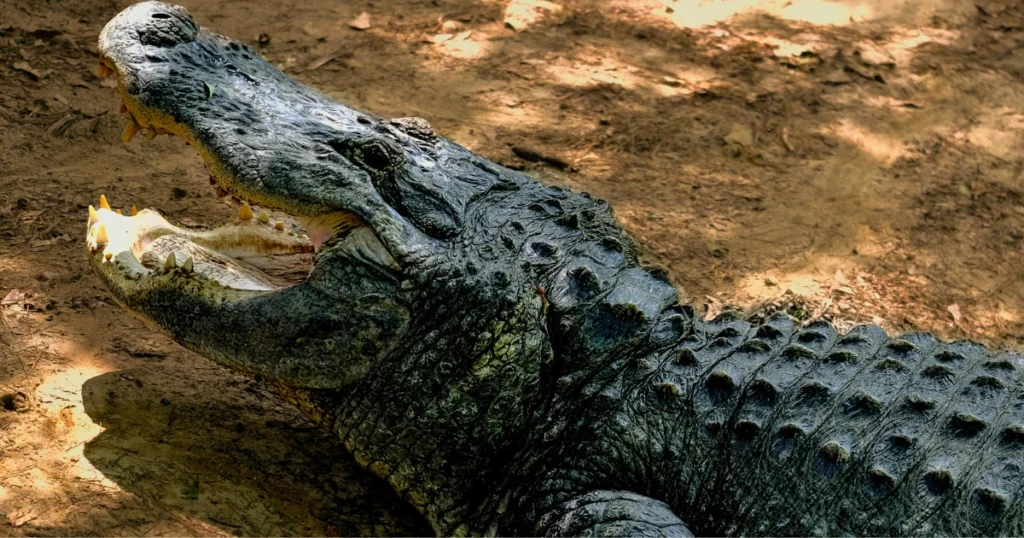
American Alligator – 3,700 PSI
Alligators have one of the most powerful bites in the animal kingdom. Their jaws can crush turtle shells and large prey with incredible efficiency.
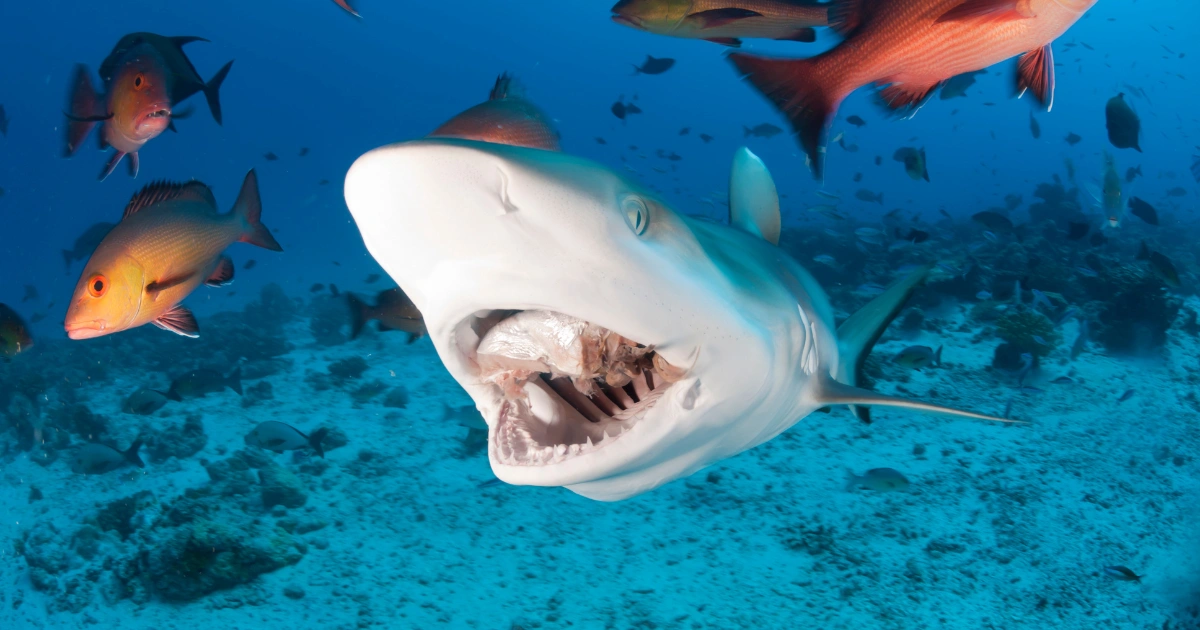
Great White Shark – 4,000 PSI
The great white shark tops the list with a bite force strong enough to rip through thick flesh and bone. This adaptation makes it one of the most effective marine predators.
Factors Affecting Bite Force
Bite force depends on several anatomical and behavioral factors:
- Jaw muscle size and leverage
- Skull and jaw bone structure
- Tooth shape and alignment
- Feeding behavior and prey type
Animals with higher bite forces often have diets that include large prey, hard shells, or fibrous plant material.
Why Bite Force Matters
Bite strength affects survival and ecological interactions:
- Predation efficiency: Strong bites allow animals to kill and process prey quickly
- Competition: Bite force can determine dominance in social hierarchies
- Defense: Powerful jaws provide protection against predators and rivals
- Feeding adaptation: Jaw strength reflects diet specialization
Scientific studies have used bite force to infer evolutionary pressures and ecological roles of extinct species as well.
Human Perspective on Bite Force
While humans are not adapted for extreme bite forces, understanding animal jaws can help:
- Predict animal behavior in the wild
- Inform safety precautions for outdoor activities
- Support wildlife conservation efforts
For example, researchers studying crocodile bite force have developed safety guidelines for riverine communities.
FAQ About Animal Bite Forces
Which land animal has the strongest bite?
The hippopotamus has one of the strongest land animal bites, estimated at 1,800 PSI.
Are sharks’ bites stronger than crocodiles’?
Yes. The great white shark’s bite (4,000 PSI) surpasses the American alligator’s 3,700 PSI.
Do bite forces vary within a species?
Yes. Factors include age, sex, and health. Mature males typically have stronger bites.
How is bite force tested in dangerous animals?
Researchers use calibrated sensors, indirect measurements, or computer modeling to avoid direct risk.
Why do herbivores like gorillas have strong bites?
Herbivores often require high bite force to process tough, fibrous plant materials, not just meat.
Internal Linking Suggestions for secretsofthegreengarden.com
To support SEO and related content, link this article to:
- Fastest Animals in the Wild
- Understanding Predator-Prey Relationships
- Wildlife Safety Tips for Gardeners
These links create a strong wildlife content cluster.
Final Thoughts
Bite force is a fascinating measure of an animal’s evolutionary success. From humans at 160 PSI to great white sharks at 4,000 PSI, jaw strength reflects diet, defense strategies, and survival adaptations.
Understanding the bite forces of predators and herbivores alike offers insight into their ecological roles and helps humans interact more safely with wildlife.
Vấn đề bảo mật luôn được thương hiệu quan tâm và đặt lên hàng đầu. Hội viên khi tham gia sẽ không cần phải lo lắng về vấn đề thông tin cá nhân quan trọng bị rò rỉ hoặc xâm nhập trái phép từ bên ngoài. 888slot Đăng Nhập không chỉ thiết lập một loạt chính sách quan trọng mà còn cung cấp tính năng mã hóa bảo vệ đa lớp cùng hệ thống tường lửa thép đặc biệt. TONY03-31