
Death is a universal part of life, and humans aren’t the only species to feel the weight of loss. While animals may not experience grief in the same way humans do, many species have been observed displaying mourning behaviors when a companion or family member passes away. From elephants to dolphins, mourning in the animal kingdom offers a glimpse into the emotional depth and complexity of non-human creatures. This article explores some of the most poignant examples of animals that mourn and the ways they show their sorrow.
1. Elephants: Emotional Giants of the Wild
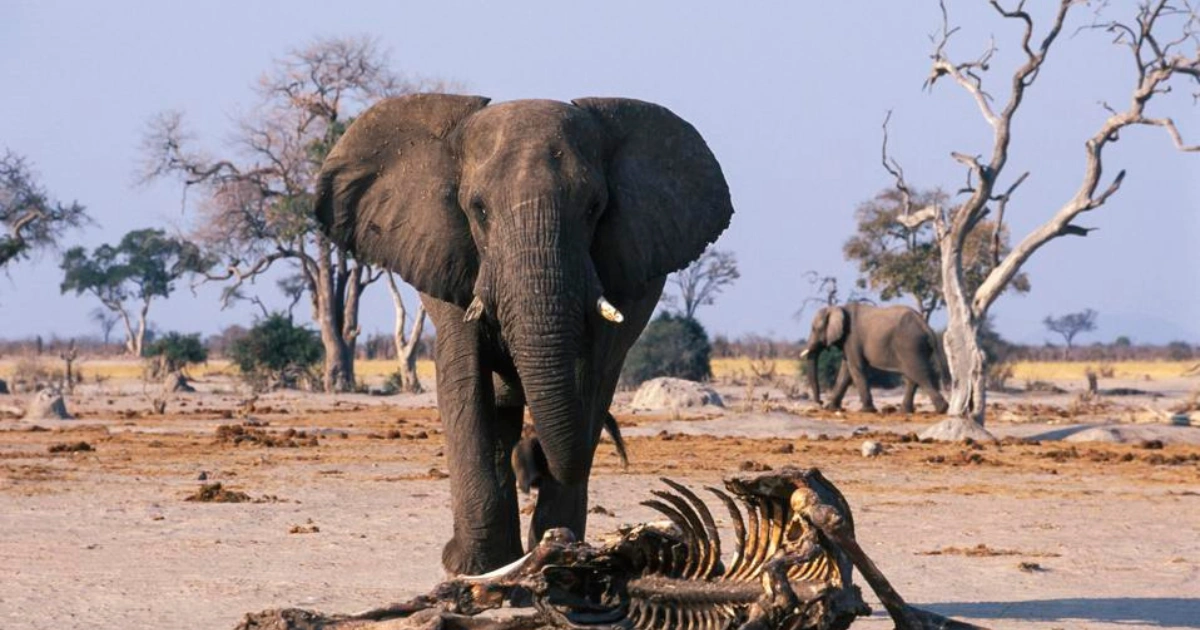
Elephants are known for their intelligence, complex social structures, and deep emotional bonds. When an elephant dies, especially a family member, the remaining members of the herd often exhibit profound signs of grief. Elephants have been observed touching the body of the deceased with their trunks, standing in silence, or even remaining near the body for days. This behavior suggests not just recognition of death, but also mourning. The emotional bonds within elephant herds are so strong that they will often return to places where family members have passed, revisiting their loved one’s resting place as a form of tribute.
2. Primates: Grieving Like Us
Primates, our closest animal relatives, show remarkable signs of mourning when a family member dies. Some species, like gorillas and chimpanzees, have been observed carrying the bodies of their deceased infants for weeks. This is believed to be a sign of both attachment and grief, as the mothers seem reluctant to let go of their babies even after death. This behavior reflects an emotional connection that mirrors the deep bond between humans and their children.

3. Geese: The Devoted Widows
When a goose loses its mate, it is unlikely to find another partner. Geese are monogamous animals, and they often form lifelong bonds with their mates. Upon the death of one partner, the surviving goose exhibits signs of mourning, including increased vocalizations and behaviors indicating depression. This devotion to a single mate is so strong that the widowed goose rarely seeks another mate, remaining solitary for the rest of its life.
4. Dolphins: Guardians of the Deceased
Dolphins are highly intelligent and social creatures, known for their complex behaviors and deep social bonds. When a dolphin dies, members of the pod often display mourning behaviors by guarding the body for several days. Dolphins have been seen keeping their deceased companions afloat, preventing the body from sinking, and even swimming alongside it in what seems to be a display of respect. This behavior highlights the emotional depth and complex social structures of dolphin pods.
5. Crows: The Grieving Gatherers
Crows, part of the corvid family, are renowned for their intelligence and social structure. When a crow dies, other crows from the group gather around the body, sometimes even creating a funeral-like atmosphere. This gathering is believed to serve a few purposes, including alerting other crows to potential danger or simply paying respects to the deceased. These mourning rituals in crows are a powerful reminder of the intricate and emotional lives of birds, which are often underappreciated for their intelligence.
6. Dogs: The Loyal Grievers
Dogs are known for their loyalty and deep emotional bonds with their owners. When a dog’s owner passes away, the surviving dog often shows signs of mourning. This can include searching for the deceased, staying by their grave, or acting depressed. In some cases, dogs have been observed returning to the graves of their owners and staying near them for extended periods. This demonstrates the emotional depth dogs experience, as they grieve not only the loss of their human companions but also the disruption of their familiar social structure.
Frequently Asked Questions
1. Do animals grieve in the same way humans do?
While animals may not experience grief in the exact same way humans do, many species show clear signs of mourning when a companion or family member passes away. These behaviors include staying near the deceased, showing signs of depression, or exhibiting behaviors that indicate attachment and loss.
2. Are mourning behaviors common in all animal species?
Mourning behaviors are not universal across all animal species, but they are observed in many social and intelligent animals such as elephants, primates, dolphins, and birds like crows. These animals have strong family bonds and show emotional responses to the death of companions.
3. Can animals understand death?
While it’s difficult to know if animals fully understand the concept of death as humans do, many animals clearly recognize when a companion is no longer present and display behaviors suggesting that they are aware of the loss.