
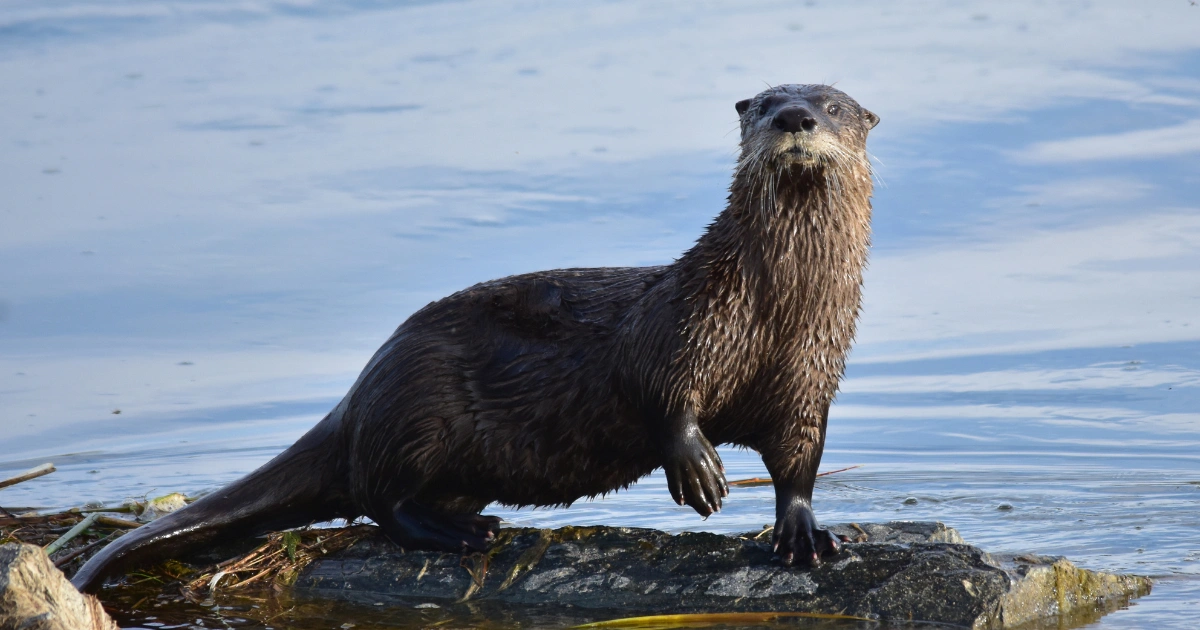
Otters are among the most captivating aquatic mammals, known for their playful behavior, intelligence, and adaptability. Found across multiple continents, these animals thrive in environments ranging from freshwater rivers to coastal oceans. This guide explores otters of the world, highlighting major species, their habitats, and what makes each one unique.
Understanding global otter species is essential for wildlife enthusiasts, conservationists, and anyone interested in biodiversity.
What Are Otters?
Otters belong to the Mustelidae family, which also includes weasels, badgers, and ferrets. They are semi-aquatic or fully aquatic mammals, perfectly adapted for life in water.
Key characteristics include:
- Streamlined bodies for efficient swimming
- Dense fur for insulation
- Webbed feet for propulsion
- High intelligence and tool use in some species
There are 13 recognized species of otters worldwide, each adapted to specific environments.
Major Otters of the World
Below is an overview of some of the most well-known otter species, organized by region and habitat.
Eurasian Otter (Lutra lutra)
The Eurasian otter is one of the most widespread otter species.
- Found across Europe, Asia, and parts of North Africa
- Lives in rivers, lakes, and coastal areas
- Known for its adaptability to different climates
This species has made a strong recovery in several regions due to conservation efforts.
North American River Otter (Lontra canadensis)
A common species across North America.
- Inhabits rivers, wetlands, and lakes
- Highly playful and social
- Excellent swimmers with strong hunting skills
They are often seen sliding on mud or snow, a behavior linked to both play and movement.
Giant River Otter (Pteronura brasiliensis)
The largest otter species in the world.
- Native to the Amazon basin
- Can reach up to 6 feet in length
- Lives in family groups with strong social bonds
This species is considered endangered due to habitat loss and human activity.
Sea Otter (Enhydra lutris)
One of the most famous marine mammals.
- Found along the North Pacific coast
- Uses tools, such as rocks, to open shellfish
- Has the densest fur of any animal
Sea otters play a critical role in maintaining kelp forest ecosystems.
Marine Otter (Lontra felina)
A lesser-known coastal species.
- Lives along the rocky shores of South America
- Feeds primarily in ocean environments
- Rare and difficult to observe in the wild
Neotropical Otter (Lontra longicaudis)
A versatile species in Central and South America.
- Found in rivers, swamps, and wetlands
- Adapts well to different freshwater habitats
- Generally solitary in behavior
Southern River Otter (Lontra provocax)
Native to southern South America.
- Lives in rivers and wetlands
- Prefers cool, forested regions
- Faces threats from habitat destruction
African Clawless Otter (Aonyx capensis)
A unique freshwater species.
- Found in sub-Saharan Africa
- Lacks strong claws compared to other otters
- Uses sensitive paws to locate prey
Congo Clawless Otter (Aonyx congicus)
Closely related to the African clawless otter.
- Native to central Africa
- Prefers forest rivers and swampy environments
- One of the least studied otter species
Asian Small-Clawed Otter (Aonyx cinereus)
The smallest otter species.
- Found in South and Southeast Asia
- Highly social and often seen in groups
- Uses dexterous paws for feeding
Hairy-Nosed Otter (Lutra sumatrana)
One of the rarest otters in the world.
- Lives in Southeast Asia
- Recognizable by its furry nose
- Critically endangered due to habitat loss
Spotted-Necked Otter (Hydrictis maculicollis)
Known for its distinctive markings.
- Found in African lakes and rivers
- Has spotted patterns on its throat and neck
- Relies heavily on fish as its primary diet
Habitats of Otters Around the World
Otters occupy a wide range of ecosystems, making them one of the most adaptable aquatic mammals.
Common habitats include:
- Freshwater rivers and lakes
- Coastal marine environments
- Wetlands and marshes
- Mangroves and estuaries
Their presence often indicates a healthy ecosystem, as they depend on clean water and abundant prey.
Why Otters Are Important to Ecosystems
Otters play a vital role in maintaining ecological balance.
Keystone Species
Some otters, especially sea otters, are considered keystone species. They regulate populations of prey such as sea urchins, preventing ecosystem collapse.
Biodiversity Support
By controlling prey populations, otters help maintain species diversity in aquatic habitats.
Environmental Indicators
Healthy otter populations often signal clean water and stable ecosystems.
Threats Facing Otters Worldwide
Despite their adaptability, many otter species face serious challenges.
- Habitat destruction due to urban expansion
- Water pollution affecting food sources
- Illegal hunting and fur trade
- Climate change impacting ecosystems
Conservation programs are essential to protect these species and their habitats.
Tips for Supporting Otter Conservation
Individuals can contribute to protecting otters in several ways:
- Reduce water pollution by limiting chemical use
- Support conservation organizations
- Protect natural habitats and wetlands
- Raise awareness about endangered species
Small actions can help preserve these animals for future generations.
FAQ About Otters of the World
How many species of otters exist worldwide?
There are 13 recognized species of otters distributed across different continents and habitats.
What is the largest otter species?
The giant river otter is the largest, reaching lengths of up to 6 feet.
Are otters dangerous to humans?
Otters are generally not dangerous but can defend themselves if threatened.
Which otter uses tools?
Sea otters are known for using rocks to break open shellfish.
Where can otters be found?
Otters live across North and South America, Europe, Asia, and Africa in both freshwater and marine environments.
Internal Linking Suggestions
For related content on secretsofthegreengarden.com, consider linking to:
- “How to Create a Wildlife-Friendly Garden”
- “Best Natural Habitats to Attract Animals”
- “Simple Ways to Support Local Biodiversity”
These topics align with wildlife conservation and ecosystem health.
External Resources for Further Reading
For accurate and authoritative information, explore:
- International Union for Conservation of Nature (IUCN): https://www.iucn.org
- World Wildlife Fund – Otter conservation: https://www.worldwildlife.org
- National Geographic – Otter species overview: https://www.nationalgeographic.com
Conclusion
Otters of the world represent a diverse and fascinating group of mammals adapted to life in water. From the playful North American river otter to the tool-using sea otter, each species contributes uniquely to its ecosystem. Understanding their habitats, behaviors, and challenges is essential for supporting conservation efforts and preserving biodiversity.
By learning about these remarkable animals, we not only expand our knowledge but also take a step toward protecting the natural world they depend on.