
Cats communicate in many subtle ways, and one of the most expressive parts of their body is the tail. By paying attention to the position and movement of a cat’s tail, owners can better understand their pet’s emotions, intentions, and level of comfort. Learning to interpret these signals helps strengthen the relationship between cats and their human companions while also preventing misunderstandings.
This guide explains common cat tail positions and what they reveal about a cat’s mood and behavior.
Primary Keyword
cat tail meanings
Why Cat Tail Language Matters
Unlike humans, cats rely heavily on body language to communicate. Their tails act almost like an emotional barometer, reflecting how they feel in a given moment. Observing tail movements alongside other signals—such as ear position, eye shape, and vocalizations—provides valuable insight into a cat’s mental state.
Understanding cat tail meanings can help you:
- recognize when your cat feels comfortable or relaxed
- identify stress or anxiety early
- avoid situations that may lead to defensive behavior
- strengthen trust and communication with your pet
According to the American Veterinary Medical Association, interpreting animal body language is an important part of responsible pet care.
https://www.avma.org
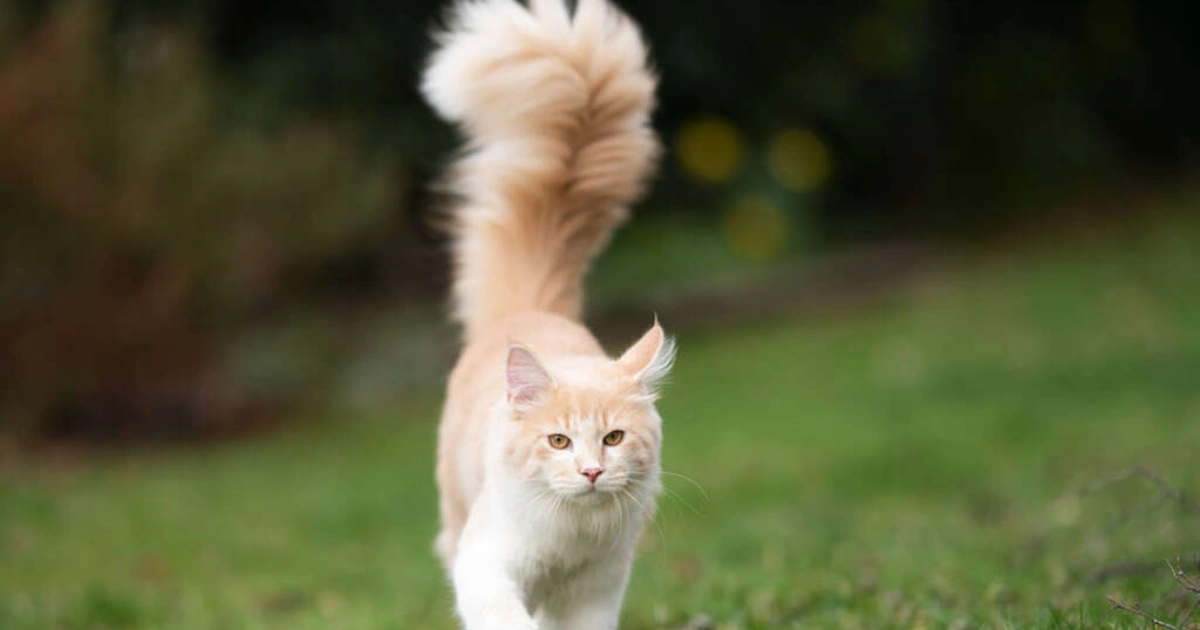
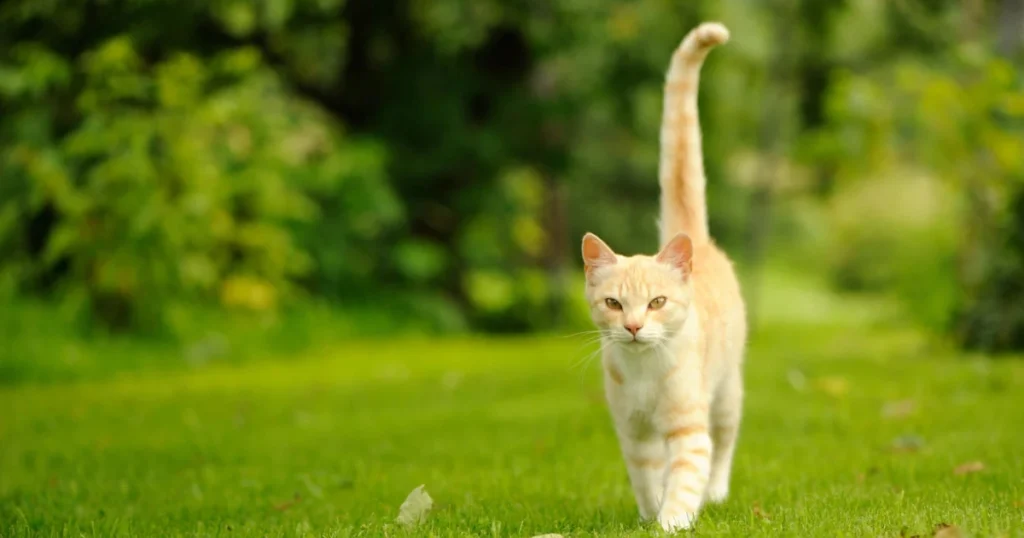
Tail Straight Up: A Happy and Confident Cat
When a cat approaches you with its tail held straight up, it is usually a positive sign. This posture signals friendliness, confidence, and a willingness to interact.
What this tail position means
A tail held upright often indicates that the cat is:
- feeling secure
- greeting someone it trusts
- interested in social interaction
Kittens frequently greet their mothers with an upright tail, and adult cats use the same signal with people they feel comfortable around.
Tail Wagging: A Sign of Irritation
While dogs wag their tails when excited, tail wagging in cats often has a different meaning. Rapid or forceful tail movements typically indicate irritation or frustration.
When cats wag their tails
A wagging tail may appear when a cat is:
- annoyed by excessive petting
- feeling overstimulated
- becoming impatient
If you notice tail wagging during interaction, it is often a good idea to give the cat some space.
Tail Tucked: Fear or Anxiety
A tail tucked tightly against the body usually signals fear or insecurity. This posture is a defensive response when a cat feels threatened.
Situations that may cause a tucked tail
Cats may tuck their tails when they are:
- in unfamiliar environments
- meeting unfamiliar animals
- startled by sudden noises
A cat displaying this posture benefits from calm surroundings and reassurance.
Curled Tail: Friendly and Curious
Sometimes a cat’s tail forms a gentle curve resembling a question mark. This posture usually indicates curiosity and friendliness.
What a curved tail suggests
A softly curled tail often appears when a cat is:
- approaching someone with interest
- feeling playful
- exploring its surroundings
This tail shape frequently appears when cats greet their owners or prepare to interact with toys.
Puffed-Up Tail: Feeling Threatened
A puffed or bristled tail occurs when the hair along the tail stands on end. This reaction is known as piloerection and is part of a defensive response.
Why cats puff their tails
A puffed tail usually means the cat feels:
- threatened
- frightened
- ready to defend itself
The body may also appear larger as the cat attempts to intimidate a perceived threat.
If a cat displays this behavior, it is best to avoid approaching until the animal calms down.
The American Association of Feline Practitioners provides additional guidance on feline behavior and stress signals.
https://catvets.com
Slow Tail Twitch: Focus and Concentration
A slow, deliberate twitch at the tip of the tail often indicates that a cat is concentrating. This behavior frequently appears when a cat is watching prey or preparing to pounce.
When this movement occurs
Cats may display slow tail twitching when they are:
- stalking insects or toys
- observing birds through a window
- focusing on an object of interest
This subtle movement reflects intense attention rather than irritation.
Observing the Whole Body Language
Although tail positions provide useful clues, they should always be interpreted alongside other signals. A cat’s ears, whiskers, posture, and vocalizations all contribute to its overall communication.
For example:
- relaxed ears and a raised tail indicate comfort
- flattened ears and a puffed tail suggest fear
- a wagging tail combined with tense posture may indicate irritation
Learning to read these signals together provides the most accurate understanding of feline emotions.
Internal Linking Suggestions
To strengthen related content on secretsofthegreengarden.com, consider linking to these topics:
- How to Understand Your Cat’s Body Language
- Simple Ways to Create a Pet-Friendly Garden
- Plants That Are Safe for Cats and Pets
These subjects connect well with pet care and home environments.
FAQ
Why do cats raise their tails when greeting people?
A raised tail usually signals friendliness and confidence. It is one of the most common ways cats greet people they trust.
Does tail wagging always mean a cat is angry?
Not always. Tail wagging can indicate irritation or overstimulation, but context matters. Observing other body signals helps clarify the cat’s mood.
Why do cats puff their tails?
Cats puff their tails when they feel threatened or startled. This reaction helps them appear larger and more intimidating.
What does a curved cat tail mean?
A tail curved like a question mark typically indicates curiosity, playfulness, and a friendly mood.
How can I tell if my cat is stressed?
Signs of stress may include a tucked tail, flattened ears, hiding behavior, or sudden changes in activity or appetite.
Conclusion
Understanding cat tail meanings allows pet owners to better interpret their cat’s emotions and intentions. From a friendly upright tail to a defensive puffed tail, each position reveals important information about how a cat feels in a particular moment.
By observing these signals carefully and respecting a cat’s boundaries, owners can build stronger relationships with their pets and create a calmer, more trusting home environment.