
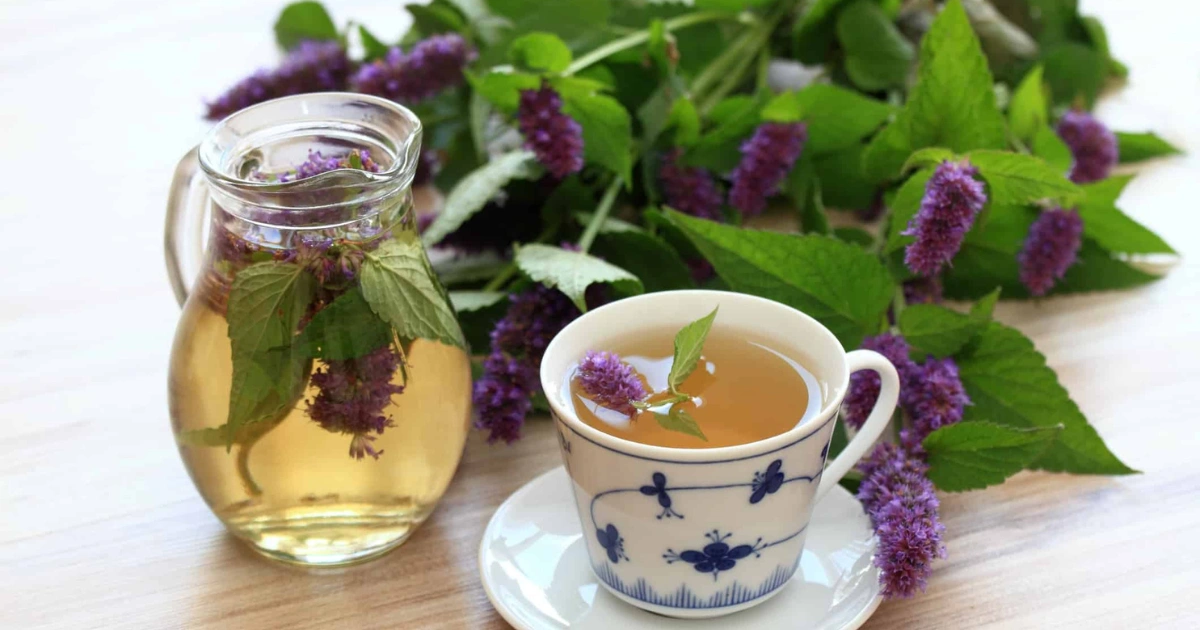
Used tea bags—typically discarded without a second thought—can be transformed into a valuable resource for your garden. With their numerous benefits for soil health, they’re more than just a sustainable way to recycle. When properly utilized, tea bags offer organic matter, moisture retention, and slight acidity to help your plants flourish.
How Tea Bags Benefit the Garden
The benefits of used tea bags lie in the organic matter they add to your soil. Over time, the tea leaves improve soil structure, fostering better aeration and drainage while encouraging beneficial microbes. Additionally, tea leaves are slightly acidic, which can help support plants that thrive in mildly acidic conditions. Though they won’t drastically alter the soil pH, their regular addition promotes soil balance.
Tea bags also hold moisture as they decompose, acting as a natural moisture-retaining agent. While not an irrigation system, they contribute to maintaining consistent moisture levels. As the tea leaves break down, they provide small doses of nitrogen, potassium, and phosphorus, gently enriching the soil and benefiting plant health.
12 Plants That Love Tea Bags
While tea isn’t a miracle fertilizer, certain plants appreciate the organic boost from used tea bags. Adding tea leaves to your compost or directly to your garden soil can help these plants thrive. Here’s a list of twelve plants that benefit from this simple, organic practice.
1. Roses
Roses prefer slightly acidic soil, which can be enriched by the addition of tea leaves. Used tea bags help enhance the soil structure around the rose’s root zone, ensuring the soil is well-drained and fertile, making it ideal for healthy rose growth.
2. Azaleas
Azaleas thrive in acidic, organic-rich soil. Tea leaves can support this environment, gradually improving soil quality. While they won’t drastically change the pH, the addition of tea bags helps maintain the ideal conditions for azaleas over time.
3. Blueberries
Blueberries require strongly acidic and well-draining soil. Tea bags, added to compost, contribute to the organic matter that blueberries need. This helps maintain the long-term soil health they rely on, even though tea alone won’t create the perfect blueberry conditions.
4. Strawberries
Strawberries also enjoy slightly acidic soil. Tea bags, when added to compost, contribute organic matter that helps maintain nutrient-rich soil, supporting strawberries’ vigorous growth and fruit production throughout the season.
5. Tomatoes
Tomatoes grow best in nutrient-dense soil with good structure. Tea leaves can enrich the soil, supporting the growth of strong stems and healthy foliage. While not the main contributor, tea adds beneficial organic matter that supports tomatoes’ soil health.
6. Peppers
Like tomatoes, peppers thrive in well-draining soil rich in organic matter. Adding tea leaves to compost helps create soil that supports steady growth and better fruit production, resulting in healthy pepper plants.
7. Spinach
Spinach benefits from fertile, organic-rich soil. Adding tea leaves to compost helps boost the soil’s fertility, supporting the growth of large, vibrant spinach leaves. This results in a more productive harvest for your leafy greens.
8. Kale
Kale thrives in nutrient-dense soil. By adding tea bags to your compost, you contribute organic matter that enhances the resilience of your kale plants, helping them withstand changes in weather and remain productive.
9. Peace Lilies
Peace lilies need evenly moist, well-structured soil to thrive. Tea bags, when added to the compost, help improve the soil structure, allowing for better moisture retention and root health, which leads to fuller, healthier plants.
10. Ferns
Ferns prefer soil that retains moisture without becoming soggy. Tea bags, added to compost, help create a potting mix that maintains this balance, ensuring steady growth and lush foliage.
11. Parsley
Parsley requires consistent moisture and balanced soil nutrition. Tea leaves, when added to compost, help build richer soil that provides the steady nutrition parsley needs to grow vibrantly throughout the season.
12. Basil
Basil thrives in well-draining, nutrient-rich soil. Tea bags contribute organic matter that helps maintain healthy soil, especially when growing basil in containers. This promotes vigorous, healthy growth and abundant harvests.
How to Use Tea Bags in the Garden
To make the most of your used tea bags, simply tear them open and mix the tea leaves into the top inch or two of soil. If you’re composting, add the bags directly to your compost pile where they will break down with other organic materials.
For best results, avoid leaving the tea bags on the soil’s surface, as they may attract pests or mold. Instead, bury the tea leaves a few inches beneath the surface, allowing them to decompose naturally. Consistency is key, so incorporate tea bags regularly into your gardening routine to maintain healthy, thriving plants.
Pro Tips for Tea Bag Use
- Avoid plastic mesh: Stick to paper or certified compostable tea bags. Plastic mesh can introduce microplastics into your garden, which you want to avoid.
- Remove metal staples: While trace metals are beneficial in small amounts, office staples are not. Be sure to remove any staples from the tea bags before use.
- Steep for extra benefits: You can reuse your tea bags by steeping them in water and using the diluted liquid to water your plants. This creates a mild, organic fertilizer that can give your plants a gentle boost.
Final Thoughts
Using tea bags in your garden is a simple yet effective way to improve soil health. While they won’t solve every gardening challenge, they provide a steady source of organic matter and trace nutrients that benefit acid-loving plants. By incorporating tea leaves into your garden routine, you’re turning kitchen waste into garden gold.