
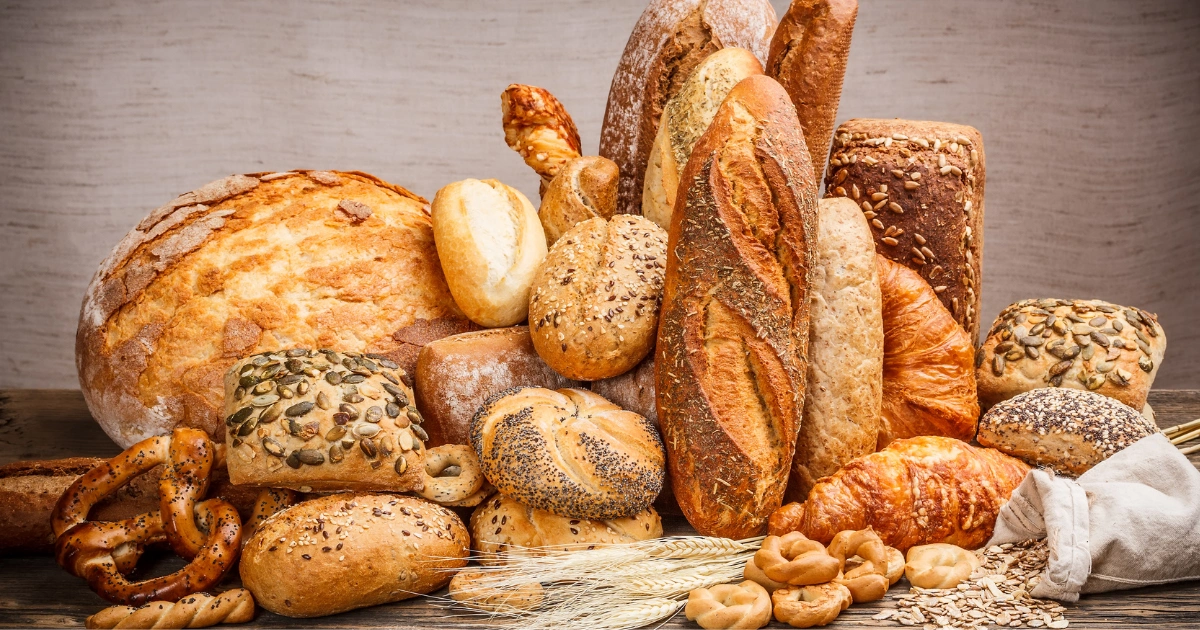
Bread has been a staple in human diets for thousands of years, and understanding the types of leavened doughs can elevate your baking skills. From soft, fluffy loaves to crisp baguettes and rich cinnamon rolls, each bread variety has unique ingredients, textures, and techniques. This guide breaks down the most popular types of bread and leavened doughs, helping both beginners and experienced bakers achieve perfect results every time.
Challah Braided Bread
Challah is a traditional Jewish bread known for its golden, shiny crust and soft interior. The braided shape makes it visually appealing and perfect for festive occasions.
Ingredients:
- 4 cups flour
- 1 cup water
- 2 eggs
- 1/4 cup sugar
- 4 tbsp butter or oil
- 2 tsp yeast
- 1 1/2 tsp salt
Challah dough is enriched with eggs and fat, giving it a tender crumb. Braiding the dough not only creates a beautiful loaf but also ensures even baking.
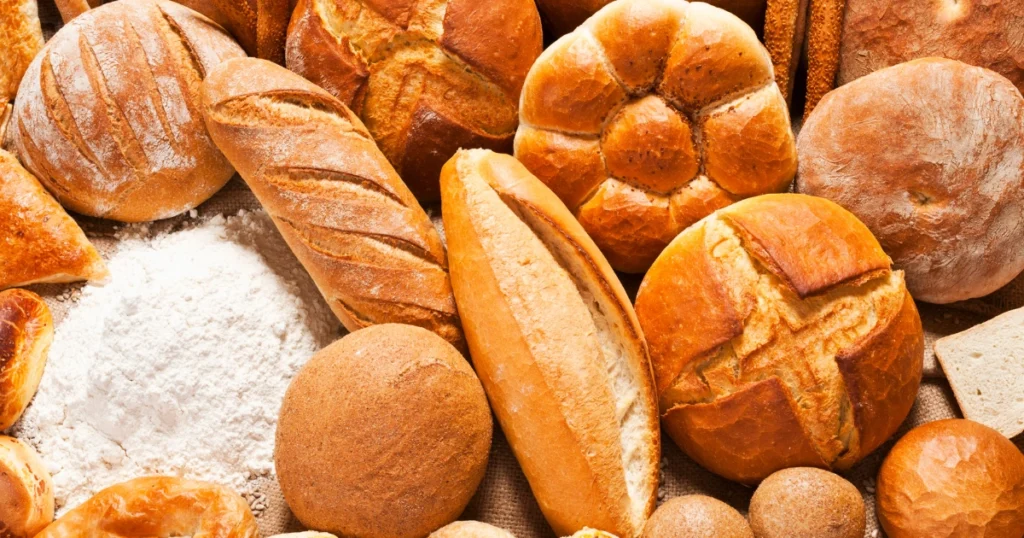
Baguette
The iconic French baguette is characterized by its long, slender shape and crispy crust.
Ingredients:
- 4 cups flour
- 1 1/3 cups water
- 2 1/2 tsp salt
- 1 1/2 tsp yeast
Baguettes rely on a simple mixture of flour, water, yeast, and salt. Long fermentation and careful shaping produce the airy texture and crusty exterior that define this classic bread.
Soft Brioche Bread
Brioche is a rich, buttery bread ideal for breakfast or dessert applications.
Ingredients:
- 4 cups flour
- 1 cup milk
- 2 eggs
- 1/4 cup sugar
- 4 tbsp butter
- 2 tsp yeast
- 1 1/4 tsp salt
Soft brioche dough is enriched with milk, butter, and eggs, resulting in a tender, slightly sweet loaf. Perfect for French toast or decadent sandwiches.
Soft Focaccia
Focaccia is a versatile Italian bread, often topped with olive oil, herbs, or other flavors.
Ingredients:
- 4 cups flour
- 1 1/2 cups water
- 1/3 cup olive oil
- 2 tsp yeast
- 2 tsp salt
Focaccia dough is soft and pliable, often pressed into a flat pan before baking. Toppings such as rosemary, garlic, or sea salt enhance its flavor and presentation.
Shabbat Bread
Shabbat bread is a slightly sweet, egg-enriched loaf often served during Jewish Sabbath meals.
Ingredients:
- 4 cups flour
- 1 cup water
- 2 eggs
- 1/4 cup sugar
- 1/4 cup oil
- 2 tsp yeast
- 1 1/2 tsp salt
This bread combines enriched dough techniques with a soft, fluffy texture. It is traditionally braided or shaped for ceremonial purposes.
Cinnamon Roll Dough
Cinnamon roll dough is a sweet, tender base for one of the most beloved pastries.
Ingredients:
- 4 cups flour
- 1 cup milk
- 1/4 cup sugar
- 1/4 cup butter
- 2 tsp yeast
- 2 tsp salt
- 1 tsp cinnamon
This dough is rolled with butter, sugar, and cinnamon, creating swirls of flavor that bake into soft, aromatic rolls. The dough can also be enriched with eggs for extra tenderness.
Tips for Perfect Bread Baking
- Proper Proofing: Allow dough to rise fully to develop flavor and texture.
- Even Mixing: Ensure ingredients are thoroughly combined to avoid dense loaves.
- Oven Temperature: Preheat the oven and bake at the recommended temperature for a crisp crust and soft interior.
- Moisture Control: Use the correct liquid ratios for each type of dough to maintain proper hydration.
- Experiment with Toppings: Seeds, herbs, or glazes can add flavor and visual appeal.
FAQ
What is the difference between enriched and lean doughs?
Enriched doughs, like brioche and challah, contain eggs, butter, or milk, making them tender and rich. Lean doughs, such as baguettes, contain minimal fat and sugar, producing a chewier texture.
Can I substitute milk with water in enriched doughs?
Yes, but milk adds richness and tenderness. Substituting water may result in a slightly drier texture.
How long should I let dough rise?
Most breads require 1–2 hours for the first rise, or until doubled in size. A second rise may be necessary depending on the recipe.
Is it necessary to braid breads like challah and Shabbat bread?
Braiding is traditional and adds visual appeal, but the dough can also be shaped into simple loaves if preferred.
Can I freeze these doughs?
Yes, unbaked dough can be frozen for up to 1 month. Thaw in the refrigerator before shaping and baking.