
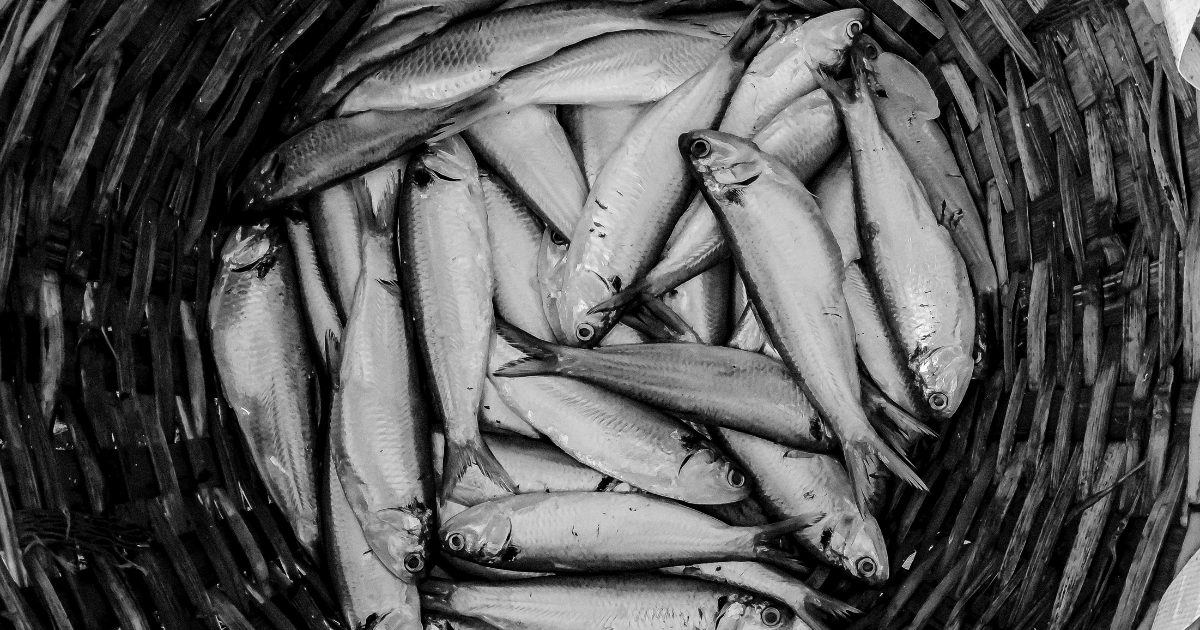
Traditional fish traps are among the oldest tools humans have used to harvest food from rivers, lakes, and coastal waters. Long before modern nets and rods existed, communities across the world developed clever trapping systems made from natural materials like reeds, branches, stone, and vine.
Today, these time-tested designs remain relevant for sustainable fishing, survival skills, and eco-friendly food gathering.
In this guide, you’ll learn how traditional fish traps work, the most common types, how to build simple versions yourself, and why these ancient methods still matter in modern homesteading and off-grid living.
Primary keyword: traditional fish traps
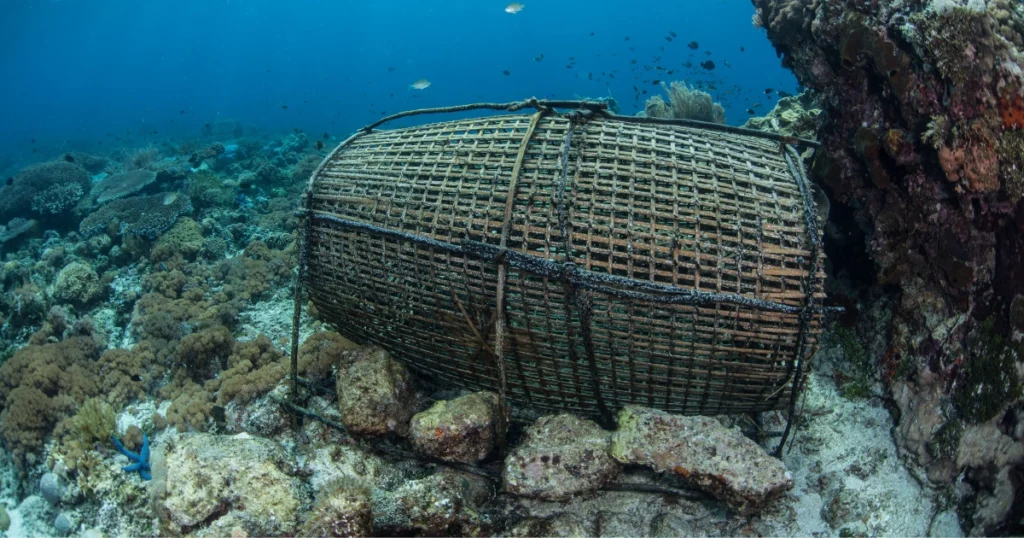
What Are Traditional Fish Traps?
Traditional fish traps are passive fishing devices designed to guide fish into enclosed spaces where escape is difficult or impossible. Unlike active fishing methods, traps rely on natural fish behavior, currents, and migration paths.
They typically feature:
- A wide entrance that narrows inward
- Funnel-shaped openings
- Natural materials that blend into the environment
- Strategic placement in shallow or flowing water
Once fish swim inside, the structure prevents them from turning around.
These traps were historically used by Indigenous cultures, river communities, and coastal societies worldwide.
Why Traditional Fish Traps Are Still Relevant
Despite modern fishing gear, traditional fish traps continue to offer unique advantages:
- No fuel or electricity required
- Minimal environmental impact
- Can operate unattended
- Extremely durable when built correctly
- Ideal for survival and self-reliance
For gardeners, homesteaders, and off-grid enthusiasts, they represent a low-tech way to supplement food systems.
According to the Smithsonian National Museum of Asian Art, ancient fishing technologies demonstrate remarkable engineering efficiency using only local resources:
https://asia.si.edu
Common Types of Traditional Fish Traps
Over centuries, different regions developed specialized designs adapted to their environments.
Woven Basket Traps
Made from reeds, bamboo, or flexible branches, these cone-shaped traps are lightweight and easy to move.
Best used in:
- Streams
- Shallow rivers
- Wetlands
Fish enter through a narrow funnel and become disoriented inside.
Bundle Traps
Bundle traps are created by tightly binding sticks or branches into cylindrical shapes. Small openings allow fish to enter while blocking escape.
These are often anchored to riverbanks or weighted with stones.
Wireframe Traps (Modern Adaptation)
Though not ancient in material, wireframe traps replicate traditional shapes and designs. They are durable and commonly used today in freshwater fishing.
They function exactly like woven traps but last longer in harsh conditions.
Submerged River Traps
These are placed directly on riverbeds or tidal zones, using current flow to guide fish inside.
Often paired with guiding fences made from sticks or rocks, they are highly effective during seasonal migrations.
How Traditional Fish Traps Work
The success of traditional fish traps depends on three key principles:
- Directional flow – Water currents guide fish inward
- Visual camouflage – Natural materials reduce suspicion
- Funnel geometry – Narrow entrances prevent exit
Fish instinctively swim forward when encountering obstacles, which leads them deeper into the trap.
This passive system allows continuous harvesting with minimal effort.
How to Build a Simple Fish Trap at Home
You can construct a basic traditional-style fish trap using common materials.
Materials Needed
- Flexible branches or bamboo
- Twine or natural cordage
- Knife or pruning shears
- Small stones for weighting
Basic Steps
- Create a circular base frame.
- Attach vertical ribs around the frame.
- Weave horizontal strips between ribs.
- Form a funnel entrance at one end.
- Secure everything tightly.
- Add stones inside for stability.
Place your trap where fish naturally travel, such as narrow channels or shallow bends.
Always follow local fishing regulations.
Best Locations for Setting Fish Traps
Choosing the right location matters more than trap design.
Look for:
- Narrow waterways
- Areas behind rocks or logs
- Shallow river edges
- Tidal flats
- Natural funnels created by terrain
Fish prefer calm pockets and predictable routes.
Legal and Ethical Considerations
Before using traditional fish traps, check local laws. Some regions restrict trap fishing to protect ecosystems.
The U.S. Fish & Wildlife Service provides guidance on sustainable fishing practices:
https://www.fws.gov
Ethical harvesting includes:
- Releasing non-target species
- Avoiding overharvesting
- Respecting breeding seasons
- Using biodegradable materials
Environmental Benefits of Traditional Fish Traps
Unlike modern industrial fishing, traditional fish traps:
- Produce no bycatch waste
- Require no plastics
- Preserve aquatic habitats
- Encourage selective harvesting
They align closely with regenerative and low-impact food systems.
Frequently Asked Questions
Are traditional fish traps legal?
It depends on location. Always check local fishing regulations before deploying traps.
What fish species can be caught?
Common catches include catfish, tilapia, carp, trout, and small river fish.
Do fish traps harm ecosystems?
When used responsibly, traditional traps have minimal environmental impact.
How long can traps stay in water?
Most are checked daily to prevent stress on captured fish.
Can I use traditional fish traps for survival?
Yes. These traps are widely taught in survival training because they work continuously without supervision.
Internal Linking Suggestions (secretsofthegreengarden.com)
To strengthen topical authority, connect this article with:
- Natural Composting Methods for Rich Soil
- Raised Bed Gardening for Maximum Yield
- Vertical Gardening Techniques for Small Spaces
These articles support a broader self-sufficiency and sustainable living theme.
Traditional fish traps prove that simple engineering and ecological understanding can outperform complex technology. These ancient designs offer practical solutions for sustainable food harvesting while honoring generations of knowledge.
Whether you’re interested in homesteading, survival skills, or low-impact living, learning about traditional fish traps connects you to one of humanity’s most enduring food systems.
By combining responsible use with modern awareness, these timeless tools can continue serving future generations.