
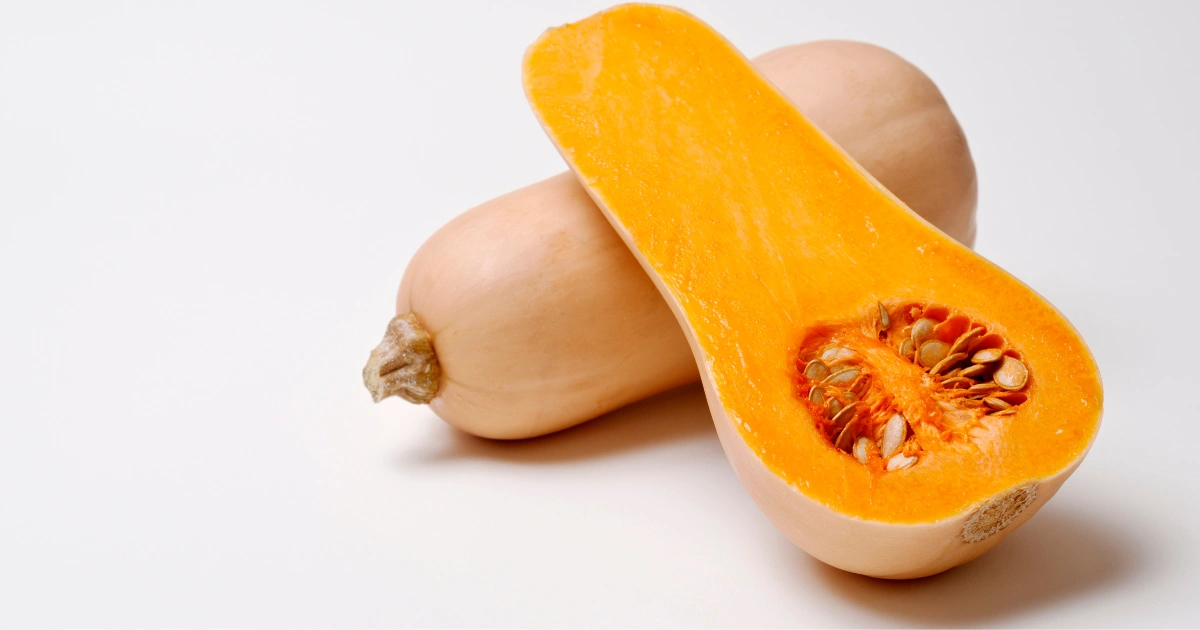
Growing butternut squash from seed is one of the most rewarding experiences for home gardeners. With proper care, a single plant can produce multiple nutrient-rich fruits that store well for months. Whether you’re working with raised beds, containers, or a greenhouse system, this guide explains exactly how to grow healthy, productive squash plants from seed to harvest.
Primary keyword: grow butternut squash from seed
Butternut squash is a warm-season vegetable known for its sweet, nutty flavor and long storage life. It is also highly productive when grown correctly.
Benefits of growing your own include:
- Lower grocery costs
- Chemical-free produce
- High nutritional value
- Excellent storage potential
- Strong vertical growth for small spaces
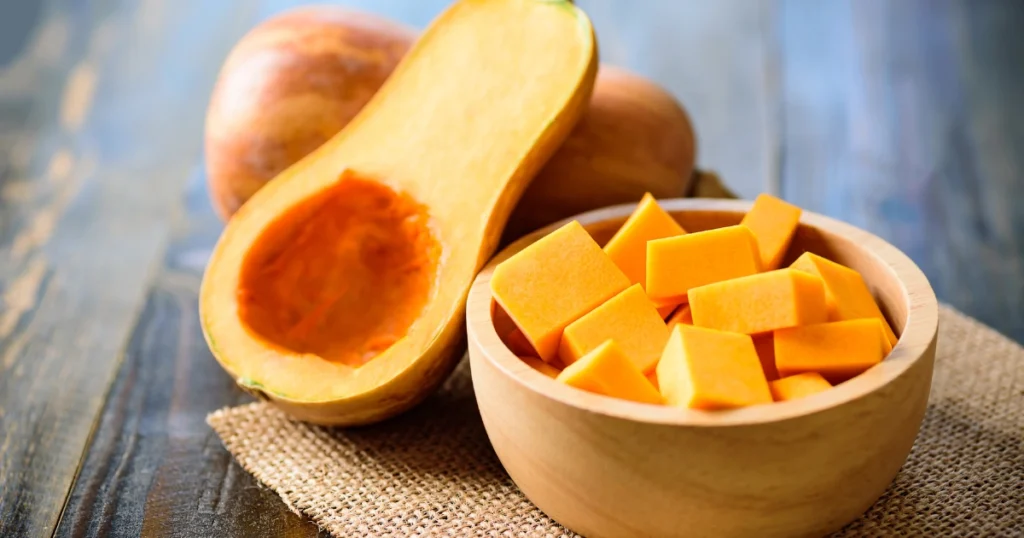
According to the USDA FoodData Central, winter squash varieties are rich in fiber, vitamin A, and potassium:
https://fdc.nal.usda.gov
Learning how to grow butternut squash from seed ensures better control over plant health and yield.
Choosing Quality Seeds
Start with fresh, disease-free seeds from a reputable supplier or save seeds from mature, fully ripened squash.
Look for:
- Plump, undamaged seeds
- High germination rate
- Suitable variety for your climate
Butternut squash thrives in warm temperatures and requires a long growing season.
How to Germinate Butternut Squash Seeds
Step 1: Pre-Soak (Optional)
Soak seeds in lukewarm water for 6 to 12 hours to encourage faster germination.
Step 2: Start in Seed Trays or Direct Sow
You can either:
- Start indoors 3 to 4 weeks before last frost
- Direct sow outdoors after soil warms to at least 70°F (21°C)
Plant seeds about 1 inch deep in well-draining soil.
Step 3: Provide Warmth
Squash seeds germinate best in warm soil. Maintain consistent moisture but avoid waterlogging.
Seedlings typically appear within 5 to 10 days.
Soil Requirements for Healthy Growth
Butternut squash prefers:
- Rich, fertile soil
- Good drainage
- Slightly acidic to neutral pH (6.0–6.8)
- High organic matter content
Incorporate compost before planting. According to Cornell University Cooperative Extension, squash plants benefit from nutrient-rich soil to support vigorous vine growth:
https://cals.cornell.edu
Spacing and Plant Support
When growing butternut squash from seed, spacing is crucial.
Recommended spacing:
- 3 to 4 feet between plants
- 5 to 6 feet between rows
For small gardens, vertical growing methods work well. Use:
- Trellises
- Bamboo frames
- Raised platforms
- Sturdy fencing
Supporting vines improves airflow and reduces soil contact, lowering the risk of fungal diseases.
If fruits grow large, use slings made of cloth to support them on trellises.
Watering and Feeding
Butternut squash needs consistent moisture during flowering and fruit development.
Water deeply:
- 1 to 2 inches per week
- Early in the morning
- At the base of the plant
Avoid wetting leaves to prevent powdery mildew.
Apply balanced organic fertilizer once vines begin to run. Compost tea or aged manure works well.
Pollination Tips for Better Yields
Squash plants produce separate male and female flowers.
If pollination is low:
- Encourage bees and pollinators
- Avoid pesticide use
- Hand-pollinate using a small brush
The USDA Natural Resources Conservation Service provides guidance on supporting pollinators in gardens:
https://www.nrcs.usda.gov
Healthy pollination directly impacts fruit production.
Common Growing Problems
Powdery Mildew
Improve air circulation and avoid overhead watering.
Blossom Drop
Often caused by heat stress or poor pollination.
Small Fruits
May result from insufficient nutrients or inconsistent watering.
Monitoring plants regularly helps prevent major issues.
When and How to Harvest
Butternut squash is ready to harvest when:
- Skin becomes hard and matte
- Color turns tan or beige
- Stem dries and browns
Use pruning shears to cut fruit, leaving 2 inches of stem attached.
Allow harvested squash to cure in a warm, dry place for 10 to 14 days. Curing improves storage life.
Storage Tips
Store cured squash in a cool, dry place between 50–60°F (10–15°C).
Properly stored butternut squash can last 3 to 6 months.
Avoid stacking in damp conditions.
Frequently Asked Questions
How long does it take to grow butternut squash from seed?
Most varieties mature in 90 to 110 days.
Can I grow butternut squash in containers?
Yes, but choose large containers (at least 15 gallons) and provide vertical support.
How many squash does one plant produce?
A healthy plant typically yields 4 to 6 fruits, sometimes more.
Do squash plants need full sun?
Yes. At least 6 to 8 hours of direct sunlight daily is ideal.
Can I save seeds for next year?
Yes, if the variety is open-pollinated and fully mature before harvesting.
Internal Linking Suggestions (secretsofthegreengarden.com)
To enhance topical authority, link this article with:
- Raised Bed Gardening for Maximum Yield
- Natural Composting Methods for Rich Soil
- Vertical Gardening Techniques for Small Spaces
These topics naturally connect to squash cultivation and sustainable gardening.
Final Thoughts
Learning how to grow butternut squash from seed is a valuable skill for any gardener seeking reliable, nutrient-dense harvests. With warm soil, proper spacing, vertical support, and consistent care, squash vines can produce impressive yields even in limited spaces.
By combining healthy soil practices with pollinator-friendly gardening, you create a productive system that supports both plant growth and ecosystem balance.