
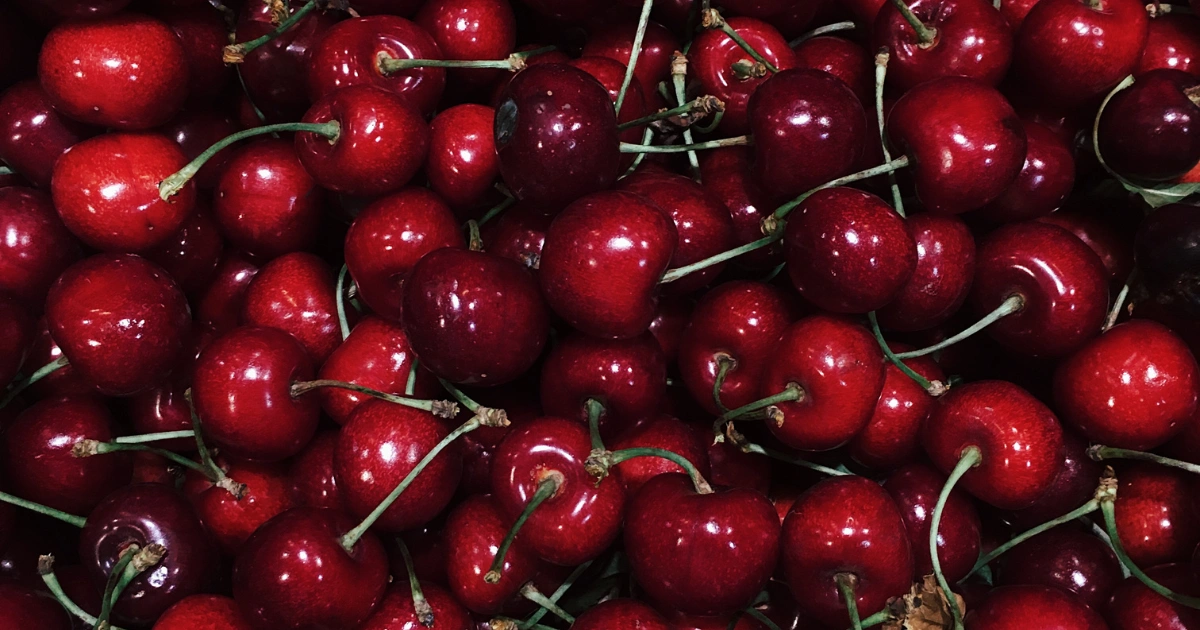
Growing cherry trees from seeds is a rewarding way to start your own orchard or backyard fruit garden. With patience and proper care, cherry seeds can develop into healthy trees that produce sweet, vibrant cherries for years to come.
In this guide, we’ll explore how to prepare cherry seeds, germinate them successfully, and care for young cherry seedlings.
Primary keyword: grow cherry trees from seeds
Related terms used naturally:
cherry seed germination
propagating cherry trees
cherry tree seedlings
how to grow cherries at home
fruit tree propagation
DIY cherry orchard
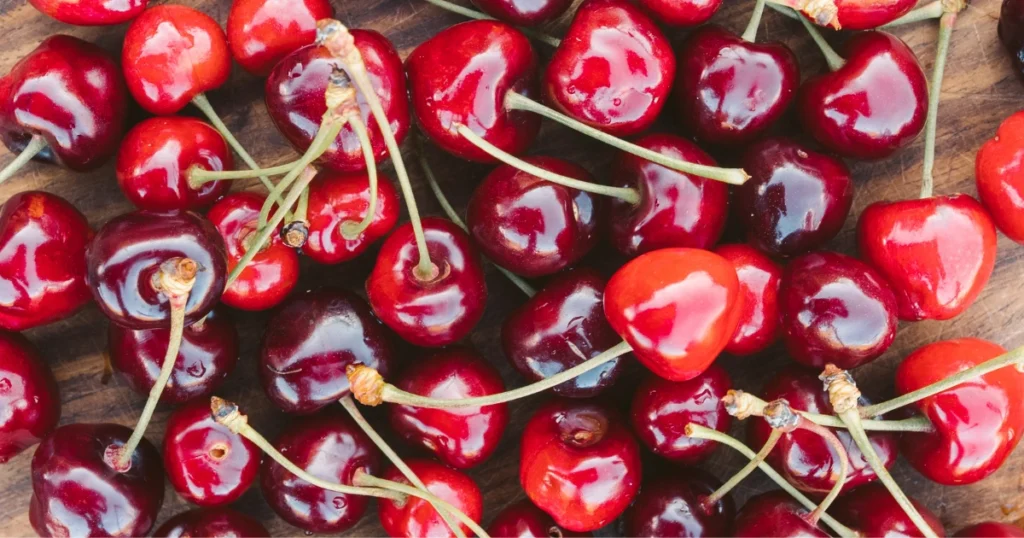
Why Grow Cherries from Seeds?
Starting cherries from seeds allows you to:
- Experience the full growth cycle
- Develop resilient, healthy trees
- Save money compared to buying young saplings
- Experiment with different cherry varieties
However, it’s important to note that cherries grown from seeds may not produce fruit identical to the parent tree, as they can vary genetically.
Step 1: Extract and Prepare Seeds
- Choose ripe, healthy cherries.
- Remove the seeds (pits) from the fruit.
- Clean off any remaining flesh to prevent mold.
- Optionally, soak seeds in water for 24 hours to soften the outer shell.
Cleaning and soaking help accelerate germination.
Step 2: Stratification (Cold Treatment)
Cherry seeds require a period of cold to break dormancy.
- Place seeds in a damp paper towel or sand inside a sealed plastic bag.
- Refrigerate for 6–12 weeks.
- Check periodically to ensure the medium stays slightly moist.
This mimics winter conditions and encourages successful sprouting.
Step 3: Plant the Seeds
Once stratification is complete:
- Fill small pots with well-draining potting mix.
- Plant seeds about 1–2 inches deep with the pointed end facing up.
- Water lightly to settle the soil.
- Place pots in a warm, bright location with indirect sunlight.
Seedlings usually appear in 2–4 weeks, depending on variety and conditions.
Step 4: Care for Young Seedlings
- Keep soil consistently moist but not waterlogged
- Ensure 6–8 hours of indirect sunlight daily
- Thin seedlings if multiple sprouts grow in a single pot
- Transplant to larger containers as roots develop
Seedlings should be nurtured for at least 6–12 months before outdoor planting.
Step 5: Transplanting Outdoors
When seedlings are strong and outdoor conditions are suitable:
- Select a sunny, well-draining site.
- Space cherry trees 12–20 feet apart depending on variety.
- Dig a hole slightly larger than the root ball.
- Plant the seedling and water thoroughly.
- Mulch around the base to retain moisture and prevent weeds.
Proper planting ensures the young tree establishes quickly and grows vigorously.
Common Mistakes to Avoid
- Skipping stratification
- Overwatering, causing root rot
- Using poor-quality soil
- Exposing seedlings to frost too early
- Neglecting pruning and support for young trees
Consistent care is essential for strong, healthy cherry trees.
FAQ About Growing Cherry Trees from Seeds
How long does it take for cherry seeds to sprout?
Typically 2–4 weeks after stratification, though some seeds may take longer.
Can I grow cherries indoors?
Yes. Young seedlings can grow in pots indoors before transplanting outside.
Will cherries from seeds be identical to the parent?
Not always. Seed-grown trees can vary genetically, potentially producing different fruit.
Do cherry seeds need sunlight to germinate?
Seeds need warmth and indirect light. Direct sunlight is not necessary during germination.
How long until a cherry tree bears fruit?
Seed-grown cherry trees may take 3–7 years to produce fruit, depending on variety.
Internal Linking Suggestions for secretsofthegreengarden.com
To strengthen SEO and content clustering, link this article to:
- How to Grow Pineapples Indoors
- DIY Vertical Garden Ideas
- Beginner-Friendly Fruit Trees for Home Gardens
These links build a comprehensive fruit gardening and propagation content cluster.
Final Thoughts
Growing cherry trees from seeds is a patient but rewarding process. With careful preparation, stratification, and attentive care, you can cultivate your own cherry seedlings into productive, fruit-bearing trees. Not only is it a cost-effective method, but it also allows gardeners to enjoy the satisfaction of nurturing plants from seed to harvest.
Giao diện app slot365 sử dụng tông màu đỏ đen sang trọng – tạo cảm giác đẳng cấp và kích thích tinh thần chơi, nhưng vẫn đảm bảo dễ nhìn và không gây mỏi mắt khi dùng lâu. TONY04-14H
Nhờ giao diện hiện đại, bảo mật cao, cùng chiến lược toàn cầu hóa thông minh, app 888slot không chỉ nổi bật mà còn trở thành biểu tượng mới của sự đẳng cấp và an toàn trong ngành cá cược trực tuyến. TONY05-03
Hi there gamers!
Check out https://995bdt1.com/
This is a new gaming platform called 995BDT.
Free games available every day.
No download required.
Go check it and start playing.
Enjoy!
Hey bhai! Check out qq777n.com – the best casino in Bangladesh with big bonuses. Get welcome bonus. Visit the site and win real money. Good luck!
Salam bhai! Check out qq777bdt.net – best casino in Bangladesh. Get welcome taka. Just click the link and claim your bonus. Have fun!
Backbiome is an advanced daily wellness supplement formulated to help support spinal comfort, reduce feelings of built-up tension, and promote freer, smoother movement throughout backbiome everyday life.
Boostaro is a modern men’s wellness boostaro formula created to support daily vitality, stamina, and confidence through a practical, natural routine.
References:
Lollybet Startguthaben cse.google.com.om
References:
Lollybet App http://www.google.com.tj
References:
%random_anchor_text% https://nasheed.ru/marticonnolly4
References:
Candy96 bonuses https://cleveran.com/profile/lorraineworthy
References:
Play It Casino Test code.a100-cn.com
References:
Bwin Casino Auszahlung https://53.cholteth.com/index/d1?diff=0&utm_clickid=g00w000go8sgcg0k&aurl=https://linksminify.com/fabiancohen790
References:
Candy96 pokies https://bwjobs4graduates.online/
References:
Candy96 member login https://jobs-max.com
References:
Candy96 maximum payout jobcopae.com