
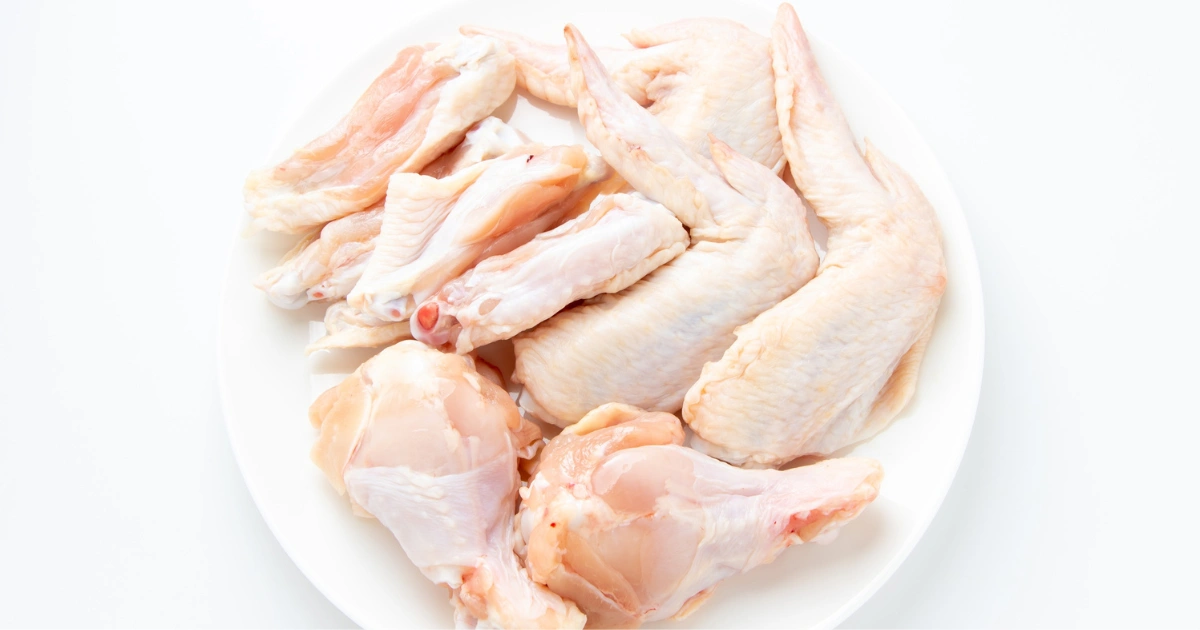
Understanding chicken parts is essential whether you cook regularly, raise poultry, or want to make smarter grocery choices. Each cut of chicken has a unique texture, flavor profile, and best cooking method.
In this guide, you’ll learn the main chicken parts, where they come from on the bird, and how to use them properly in the kitchen.
Primary keyword: chicken parts
Related terms used naturally:
chicken cuts explained
whole chicken breakdown
dark meat vs white meat
chicken breast
chicken thighs
chicken wings
poultry anatomy
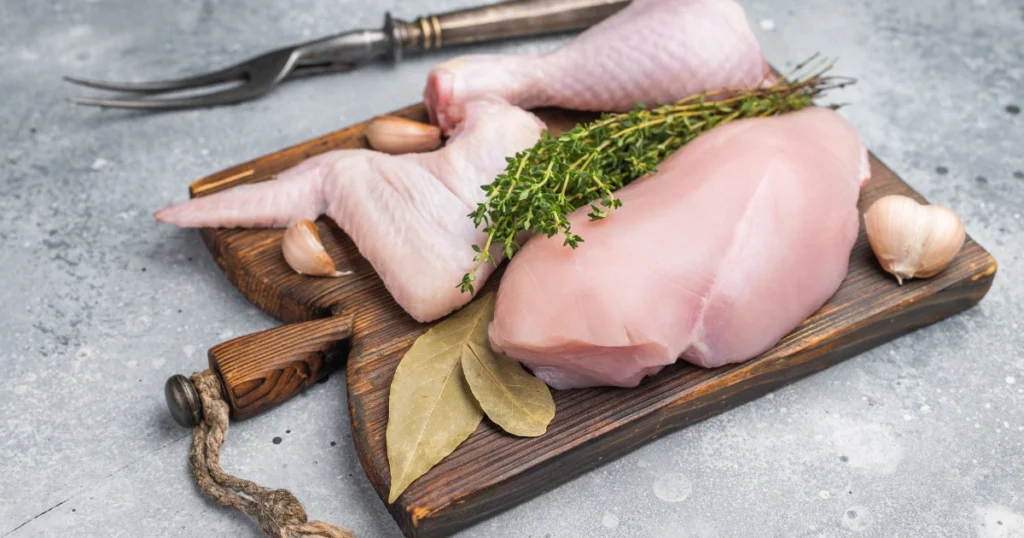
Overview of Chicken Parts
A whole chicken can be separated into several primary sections:
- Breast
- Thigh
- Drumstick
- Wing
- Whole leg
- Neck
- Giblets (liver and gizzard)
- Feet
Each part differs in fat content, tenderness, and cooking time.
According to the USDA Food Safety and Inspection Service, understanding poultry cuts helps ensure safe cooking temperatures and proper handling.
https://www.fsis.usda.gov
Whole Chicken
The whole chicken includes all parts intact. It is often the most cost-effective option.
Best uses:
- Roasting
- Slow cooking
- Broth or stock
Buying whole and cutting it yourself can reduce cost per pound and provide versatility.
Chicken Breast
The breast is located at the front of the bird and is considered white meat.
Characteristics:
- Lean
- Mild flavor
- Quick cooking
Best cooking methods:
- Grilling
- Baking
- Pan-searing
Because it is low in fat, overcooking can make it dry.
Fillet (Tenderloin)
The fillet, also called the tenderloin, is a small strip of meat beneath the breast.
It is:
- Very tender
- Ideal for quick frying
- Commonly used for chicken strips
This cut cooks faster than the main breast portion.
Thigh
Chicken thighs are part of the upper leg and are classified as dark meat.
Characteristics:
- Higher fat content
- Rich flavor
- Moist texture
Best cooking methods:
- Roasting
- Braising
- Grilling
Dark meat is more forgiving during cooking because it retains moisture better.
Drumstick
The drumstick is the lower portion of the leg.
It is:
- Affordable
- Flavorful
- Popular for baking and frying
Drumsticks are often used in family meals and barbecue recipes.
Whole Leg
The whole leg combines the thigh and drumstick.
Best uses:
- Roasting
- Smoking
- Oven baking
This cut provides both tenderness and deep flavor.
Chicken Wing
Wings are divided into three sections:
- Drumette
- Wingette (flat)
- Tip
Wings are commonly deep-fried or baked and coated in sauces.
They contain more skin and connective tissue, making them flavorful when cooked properly.
Neck
The chicken neck is often used for:
- Broths
- Stocks
- Soups
It adds collagen and depth of flavor.
Giblets: Liver and Gizzard
Giblets are internal organs often included with whole chickens.
Liver
- Soft texture
- Rich, mineral flavor
- Used in pâtés and gravies
Gizzard
- Muscular digestive organ
- Firm texture
- Often slow-cooked or fried
According to Harvard T.H. Chan School of Public Health, organ meats are nutrient-dense and high in iron and vitamin B12.
https://www.hsph.harvard.edu/nutritionsource
Chicken Feet
Chicken feet are widely used in:
- Bone broth
- Traditional soups
- Asian cuisine
They are high in collagen and contribute to gelatin-rich stock.
White Meat vs Dark Meat
Understanding the difference between white and dark meat helps guide cooking choices.
White meat:
- Lower fat
- Milder taste
- Cooks faster
Dark meat:
- Higher fat
- Stronger flavor
- More forgiving when cooked
Each has its place depending on recipe and preference.
Safe Cooking Temperatures
The USDA recommends cooking chicken to an internal temperature of 165°F (74°C) to ensure safety.
Use a food thermometer inserted into the thickest part of the meat without touching bone.
Proper handling reduces risk of foodborne illness.
FAQ About Chicken Parts
What is the most tender chicken part?
The tenderloin (fillet) is typically the most tender cut.
Which chicken part has the most flavor?
Thighs and drumsticks generally have more flavor due to higher fat content.
Is it cheaper to buy a whole chicken?
Yes. Whole chickens usually cost less per pound compared to pre-cut portions.
What are giblets used for?
They are used in gravies, stuffing, broths, and pâtés.
Are chicken feet safe to eat?
Yes, when properly cleaned and cooked. They are commonly used in soups and broths.
Final Thoughts
Knowing your chicken parts helps you cook smarter, save money, and choose the right cut for every recipe. From lean breast meat to flavorful thighs and nutrient-rich giblets, every part of the bird has a purpose.
Whether you are roasting a whole chicken or preparing individual cuts, understanding poultry anatomy improves both flavor and efficiency in the kitchen.
Backbiome is an advanced daily wellness supplement formulated to help support spinal comfort, reduce feelings of built-up tension, and promote freer, smoother movement throughout backbiome everyday life.
Boostaro is a modern men’s wellness boostaro formula created to support daily vitality, stamina, and confidence through a practical, natural routine.