
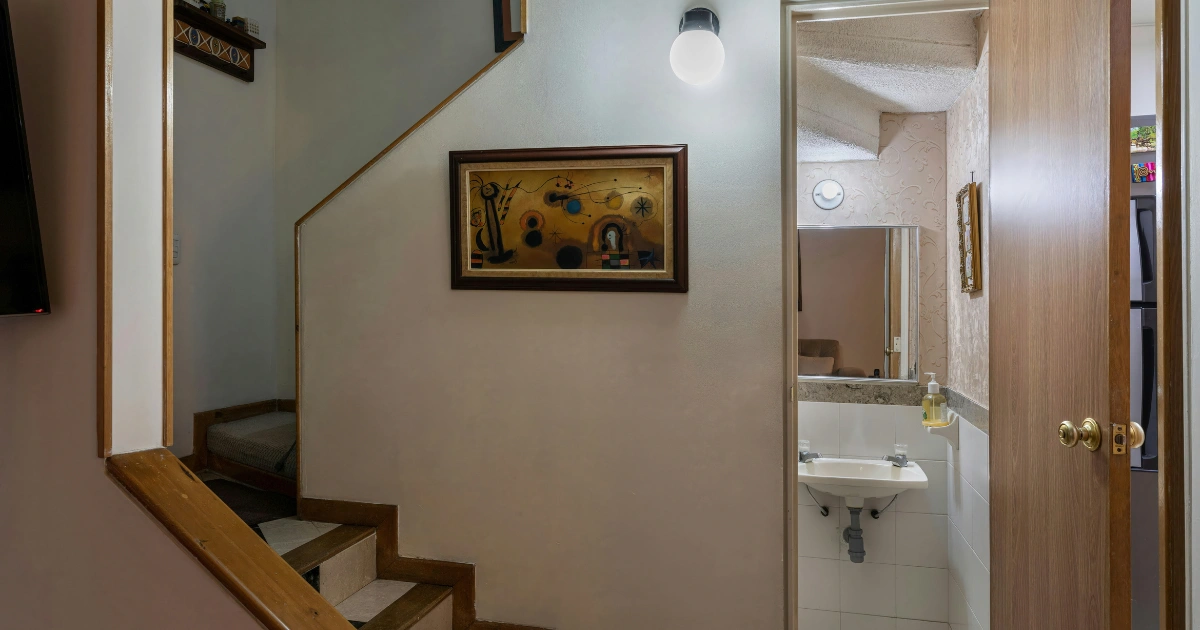
Designing a bathroom under stairs is a practical way to reclaim unused square footage, especially in compact homes. However, success depends on respecting minimum height requirements, proper fixture placement, and local building codes.
This guide explains the essential clearance measurements for an under-stairs bathroom, how to plan layout efficiently, and common mistakes to avoid. Whether you’re adding a powder room or a compact half bath, these guidelines help ensure comfort, safety, and code compliance.
Primary keyword: bathroom under stairs minimum height
Related terms used naturally:
under stairs bathroom design
minimum headroom bathroom
small bathroom layout
under stairs toilet clearance
compact bathroom planning
powder room under stairs
Why Height Matters in an Under-Stairs Bathroom
Staircases slope downward, which creates uneven ceiling heights. Without proper planning, this can lead to uncomfortable head clearance or non-compliant installations.
Minimum heights ensure:
- Safe movement inside the bathroom
- Comfortable standing and sitting positions
- Proper placement of fixtures
- Compliance with residential building codes
Ignoring clearance rules can result in failed inspections or costly remodels.
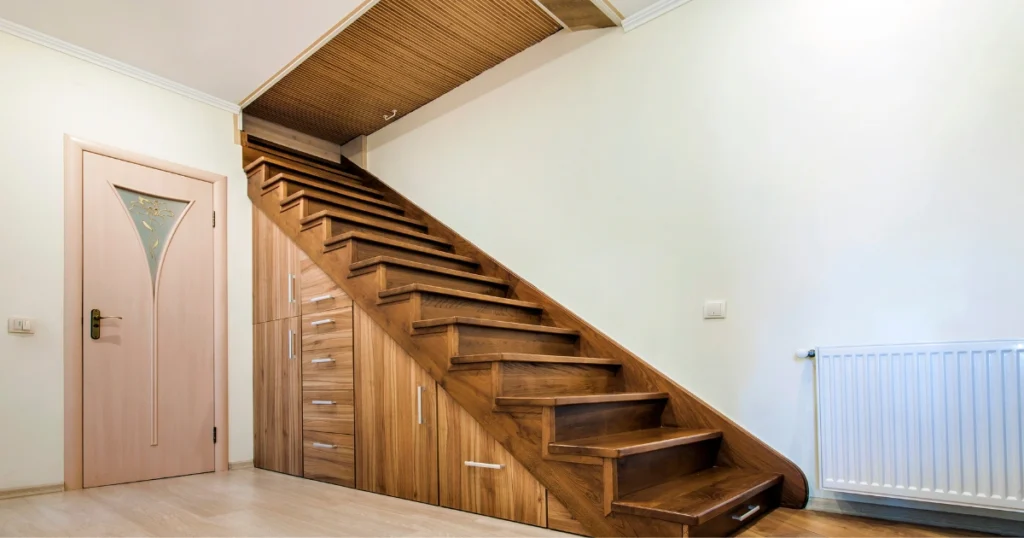
Standard Minimum Heights for Bathrooms Under Stairs
While requirements vary by country and municipality, most residential codes follow similar guidelines.
Standing Area Height (Sink and Entry)
Minimum recommended height: 84 inches (213 cm)
This applies to areas where a person stands, such as in front of the sink or entry doorway. This clearance prevents head injury and provides normal usability.
This height is typically required for:
- Bathroom entrance
- Vanity and sink area
- General standing circulation space
According to the International Residential Code (IRC), minimum ceiling height in habitable spaces is 7 feet (213 cm), including bathrooms.
Toilet Seating Area Height
Minimum recommended height: 60 inches (152 cm)
Because the user is seated, ceiling clearance may be lower directly above the toilet. This makes under-stairs placement possible even where full standing height is unavailable.
This measurement applies specifically to:
- Toilet centerline seating area
- Front clearance zone
Anything lower than this becomes uncomfortable and may violate local codes.
How to Position Fixtures Correctly
Smart placement is what makes an under-stairs bathroom functional.
Sink Placement
Always locate the sink where the ceiling is tallest. This area requires full standing height.
Ideal sink location:
- Near the stair landing or tallest wall
- Away from sloping sections
Toilet Placement
The toilet can be positioned beneath the slope, as long as the 60-inch seated clearance is respected.
Ensure:
- At least 21 inches of front clearance
- 15 inches from toilet centerline to side wall
These dimensions follow standard residential bathroom spacing recommendations from the National Kitchen & Bath Association.
Optional Storage or Shelving
Lower ceiling areas are perfect for:
- Built-in shelves
- Towel storage
- Cleaning supplies
Avoid placing frequently used fixtures in low zones.
Step-by-Step Planning Process
Follow this simple method before building.
Step 1: Measure Stair Slope
Measure from floor to underside of stairs at multiple points. Mark where heights reach 84 inches and 60 inches.
Step 2: Map Fixture Zones
Assign:
- Sink to tallest area
- Toilet to mid-height area
- Storage to lowest area
Step 3: Verify Code Requirements
Always confirm local building codes before construction. Height, ventilation, and plumbing rules vary by region.
The U.S. Department of Housing and Urban Development provides general residential standards that many municipalities reference:
Step 4: Plan Ventilation
Small under-stairs bathrooms require proper airflow. Include:
- Exhaust fan vented outdoors
- Moisture-resistant materials
Poor ventilation leads to mold and structural damage.
Common Design Mistakes to Avoid
Many under-stairs bathrooms fail due to poor planning.
Avoid these issues:
- Placing the sink under low ceiling slopes
- Ignoring seated head clearance
- Forgetting exhaust ventilation
- Using bulky fixtures
- Skipping code verification
Compact spaces demand precision.
Space-Saving Design Tips
To maximize comfort:
- Choose wall-mounted sinks or toilets
- Use sliding or pocket doors
- Install shallow-depth vanities
- Use light-colored finishes to expand visual space
- Add mirrors to reflect light
These techniques improve usability without expanding footprint.
FAQ: Bathroom Under Stairs Minimum Height
What is the minimum height for a bathroom under stairs?
Most codes require 84 inches (213 cm) for standing areas and 60 inches (152 cm) above the toilet seat.
Can I put a toilet under stairs?
Yes, provided the seated clearance meets minimum height requirements and front spacing is adequate.
Is an under-stairs bathroom legal?
Yes, if it complies with local building codes for height, ventilation, plumbing, and access.
Can I install a shower under stairs?
Usually not recommended unless full standing height is available. Sloped ceilings make shower placement difficult.
Do I need a permit?
In most areas, yes. Plumbing and structural modifications typically require permits.
Final Thoughts
Designing a bathroom under stairs is a smart way to unlock hidden space, but only when minimum height requirements are respected. Proper planning ensures comfort, safety, and long-term usability.