
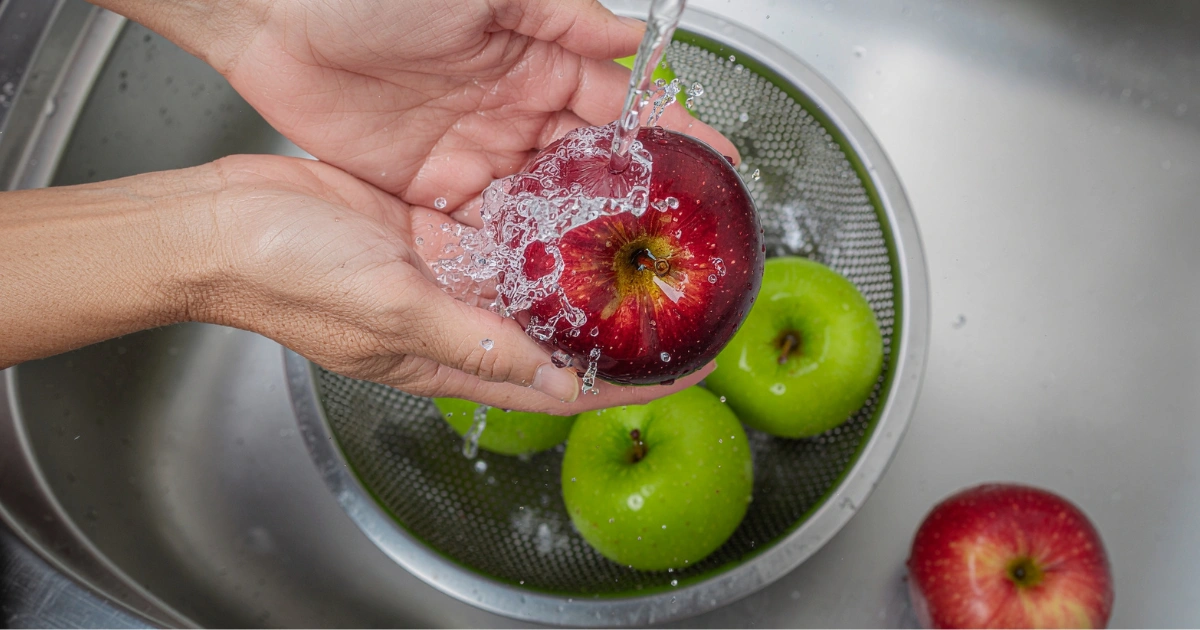
When it comes to cleaning fruit and vegetables, many people are concerned about the chemicals and pesticides used during the growing process. While washing produce under running water can remove some dirt, it often fails to remove pesticides, waxes, and other residues. Fortunately, there is a simple, chemical-free solution that can clean your fruits effectively and even help them last longer.
This guide explains how to clean fruit with vinegar and water, the benefits of this method, and why it’s a great option for maintaining fresh produce at home.
Primary keyword: chemical-free fruit cleaning
Why Chemical-Free Fruit Cleaning Matters
Many commercially grown fruits and vegetables are treated with pesticides, herbicides, or wax to preserve freshness and enhance appearance. While washing with water removes surface dirt, it often doesn’t address these chemicals.
Cleaning your fruit:
- Removes pesticide residues
- Eliminates wax coatings
- Reduces the risk of contamination
- Helps preserve the fruit for longer
Using a vinegar solution ensures that your produce is safe to eat without relying on harmful chemicals.
The Benefits of Using Vinegar for Fruit Cleaning
Vinegar is a natural, inexpensive, and effective cleaner. It is known for its antibacterial and antifungal properties, making it an excellent choice for cleaning produce.
Key benefits include:
- Non-toxic and safe for all produce
- Naturally disinfects and removes dirt
- Removes pesticides and waxes without harming the fruit
- Easily accessible and affordable
- Environmentally friendly
Vinegar is gentle on fruits but tough on impurities, making it ideal for chemical-free cleaning.
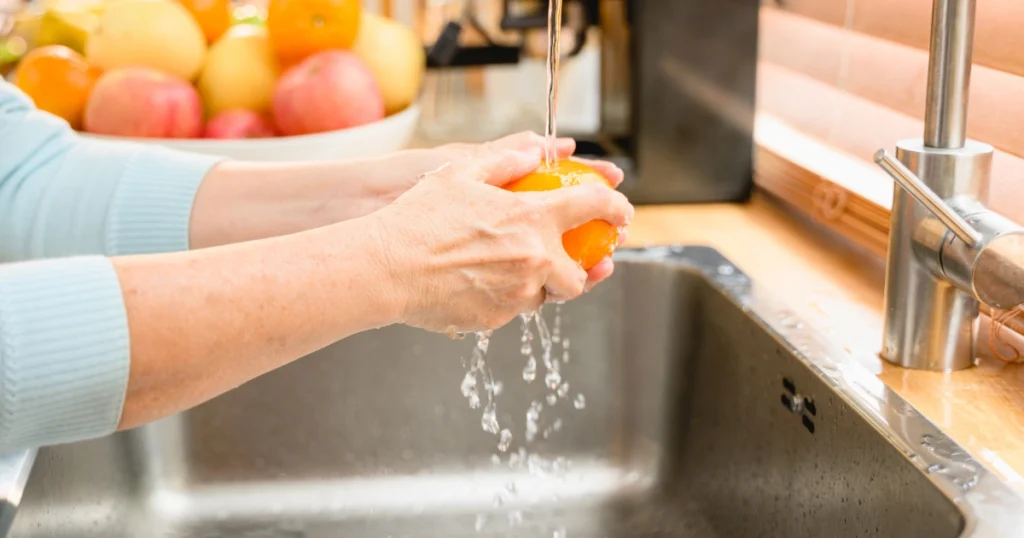
How to Clean Fruit with Vinegar and Water
Cleaning your fruit with vinegar is simple and quick. Here’s how to do it:
Step-by-Step Guide:
- Fill your sink with water: Use enough water to submerge the fruit completely.
- Add 1 cup of vinegar: Pour vinegar into the water and stir it well. White vinegar is typically used for this purpose.
- Soak the fruit: Add the fruit to the vinegar-water solution and allow it to soak for 10 minutes.
- Rinse and dry: After soaking, rinse the fruit under running water to remove any vinegar taste. Pat the fruit dry with a clean towel.
The result? Fruit with no wax, no pesticide residues, and a clean, fresh appearance. Plus, your fruit will last longer without the risk of mold, especially berries.
Why This Method Works
Vinegar is effective at breaking down the residues that water alone cannot remove. It helps lift the waxy coating that often makes fruit look shiny and appealing. In addition to its ability to remove dirt, vinegar also helps to disinfect the fruit, which is important for preventing bacterial contamination.
Great for Berries
Berries, in particular, benefit from this method as it helps keep them from molding. Berries are highly perishable and prone to mold growth, but cleaning them with vinegar and water creates an environment that slows down spoilage, extending their shelf life.
Other Uses of Vinegar for Produce
This vinegar solution isn’t just for fruits. It can also be used for cleaning vegetables. Simply adjust the soak time depending on the type of produce.
Additional benefits include:
- Cleaning leafy greens like lettuce and spinach
- Removing dirt from root vegetables like carrots and potatoes
- Cleaning cucumbers and tomatoes
- Rinsing apples, oranges, and other citrus fruits
Vinegar helps maintain the freshness and cleanliness of all types of produce.
Common Mistakes to Avoid
While the vinegar-water solution is effective, it’s important to avoid some common mistakes that can hinder the cleaning process.
Common mistakes include:
- Soaking fruits for too long (stick to the recommended 10 minutes)
- Using too much vinegar (1 cup per sink of water is sufficient)
- Not rinsing the fruit thoroughly after soaking
- Using vinegar with a strong scent that may affect the taste of the fruit
Proper soaking, rinsing, and drying will ensure your fruit is clean without any residual vinegar flavor.
How Long Will Cleaned Fruit Last?
The vinegar solution helps to preserve the quality of the fruit by reducing mold growth and extending freshness. Here’s a rough guide for how long different fruits can last after cleaning:
- Berries: Cleaned berries will last 3-4 days longer than unwashed ones.
- Citrus: Oranges, lemons, and limes stay fresh for 1-2 weeks longer.
- Apples and Pears: Cleaned apples and pears can last up to 2 weeks longer.
- Grapes: Grapes stay fresh 5-7 days longer.
Proper storage is key—store cleaned fruit in the refrigerator to maintain freshness.
FAQ: Chemical-Free Fruit Cleaning
Does the vinegar-water method affect the taste of fruit?
No, as long as you rinse the fruit thoroughly after soaking, the vinegar taste will not remain.
Can this method be used for all types of fruit?
Yes, this method is safe for most fruits, including berries, citrus, apples, and stone fruits.
How often should I clean my fruit using this method?
You should clean fruit each time before eating or storing it to remove any surface residues.
Can I use this method for vegetables too?
Yes, this method is effective for many vegetables, such as leafy greens, cucumbers, and root vegetables.
Does vinegar help remove all pesticides?
Vinegar helps remove many common pesticide residues but may not eliminate all chemicals. Washing with water and vinegar reduces but doesn’t guarantee the removal of every pesticide.
Internal Linking Suggestions
To improve topical authority on secretsofthegreengarden.com, link this article to related content such as:
- Organic Gardening Tips for Healthier Crops
- Natural Solutions for Organic Pest Control
- How to Grow Your Own Fresh Produce
Use anchor text that matches article titles or closely related phrases.
Final Thoughts
Cleaning fruit with a vinegar and water solution is a simple, effective, and chemical-free way to ensure your produce is safe to eat. This method not only removes pesticides and wax but also helps extend the shelf life of your fruit, especially for delicate items like berries.
By incorporating this practice into your routine, you can enjoy fresher, healthier fruits without relying on harsh chemicals. It’s a small but powerful step towards a cleaner, more sustainable kitchen.